Welcome to Vbond
How Aluminum Composite Panels Are Transforming Building Facades
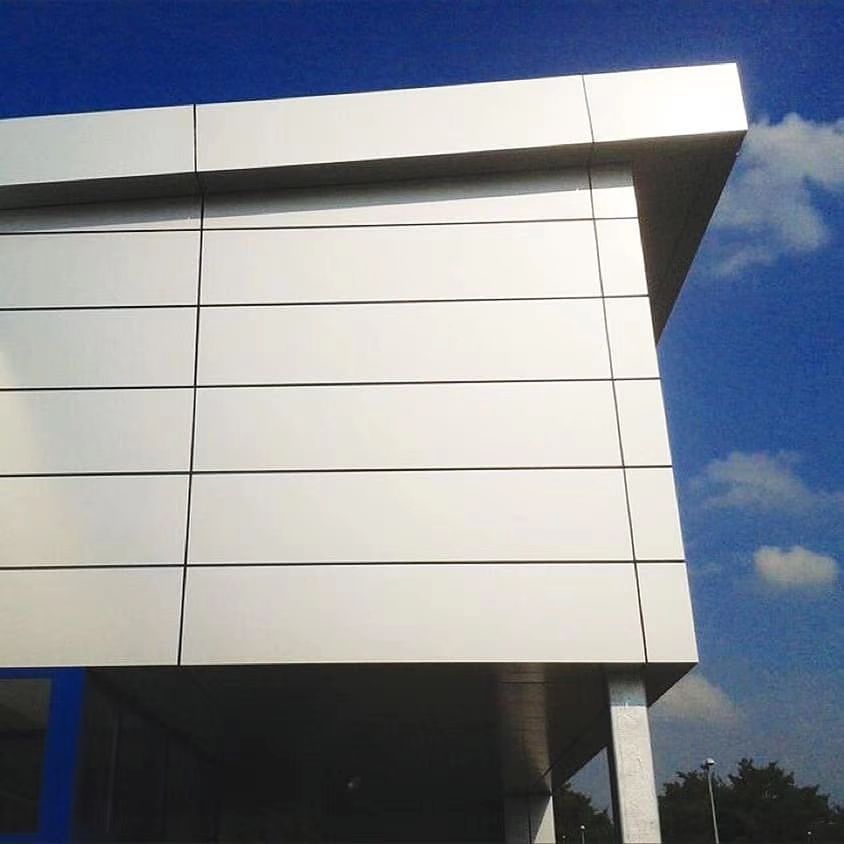
Introduction
In the evolving world of modern architecture, building facades are no longer just protective shells—they are dynamic elements that define aesthetic appeal, energy efficiency, and functionality. Among the materials driving this transformation, Aluminum Composite Panels (ACPs) have emerged as a game-changer. Offering a blend of versatility, durability, and design flexibility, ACPs are redefining how architects and builders approach facade design. This article explores the key features, benefits, and innovative applications of aluminum composite panels in contemporary building exteriors.
What Are Aluminum Composite Panels (ACPs)?
Aluminum Composite Panels (ACPs) are lightweight, multi-layered building materials consisting of two thin aluminum sheets bonded to a non-aluminum core, typically made from polyethylene (PE) or fire-resistant mineral-filled core (FR). This sandwich structure combines the strength and weather resistance of aluminum with the insulation and flexibility of the core material. Available in a wide range of colors, finishes, and textures—including metallic, matte, wood-effect, and stone-effect—ACPs can be customized to meet virtually any design vision.
Key Advantages of ACPs in Facade Design
1. Lightweight Yet Durable
Despite their lightweight nature, ACPs offer remarkable structural integrity. Their low weight reduces the load on the building’s framework, simplifying installation and lowering overall construction costs. Simultaneously, they are resistant to corrosion, weathering, and UV radiation, ensuring long-term durability and minimal maintenance.
2. Design Versatility and Aesthetic Appeal
ACPs provide architects with unprecedented creative freedom. They can be easily cut, bent, folded, and perforated to create unique shapes, curves, and 3D effects. The extensive range of colors and finishes allows for seamless integration with various architectural styles, from sleek modern designs to textured, naturalistic looks.
3. Energy Efficiency and Sustainability
Many ACP systems incorporate thermal breaks and insulating cores, improving a building’s thermal performance. This can significantly reduce heating and cooling costs, contributing to energy-efficient building standards like LEED and BREEAM. Additionally, aluminum is highly recyclable, making ACPs an environmentally conscious choice.
4. Cost-Effectiveness and Ease of Installation
Compared to traditional materials like stone, glass, or solid metal, ACPs are often more affordable both in material and installation costs. Their lightweight nature allows for faster installation with fewer structural supports, reducing labor time and expenses.
5. Fire Safety
Modern ACPs with fire-resistant (FR) cores meet stringent fire safety regulations. These panels inhibit flame spread and smoke emission, enhancing building safety—a critical consideration in high-rise and public structures.
Innovative Applications in Modern Architecture
From iconic skyscrapers to commercial complexes and cultural institutions, ACPs are being used in groundbreaking ways:
- Dynamic Cladding Systems: ACPs are employed in ventilated facade systems that improve airflow, reduce moisture, and enhance insulation.
- Branding and Visual Identity: Custom colors and large-format panels allow corporate buildings to reflect brand identities through their exteriors.
- Renovation Projects: ACPs are ideal for retrofitting older buildings, providing a fresh, updated appearance without extensive structural changes.
- Artistic Expressions: Perforated and printed ACPs enable intricate patterns and graphics, turning facades into large-scale public art.
Considerations for Specifying ACPs
While ACPs offer numerous benefits, selecting the right product is crucial:
- Ensure panels comply with local fire safety codes (e.g., using FR cores in high-rise buildings).
- Choose reputable manufacturers that guarantee quality coatings (like PVDF) for enhanced weatherability.
- Work with experienced installers familiar with ACP systems to ensure proper detailing, sealing, and ventilation.
The Future of Facades with ACP Technology
The evolution of ACPs continues with advances in smart coatings, integrated photovoltaic elements, and improved sustainable production methods. As the demand for high-performance, aesthetically driven, and eco-friendly building envelopes grows, ACPs are poised to remain at the forefront of facade innovation.
Conclusion
Aluminum Composite Panels have shattered their utilitarian image to become a darling of interior design. Their unique blend of practicality and aesthetic potential empowers designers to push boundaries, creating spaces that are visually striking, highly functional, and built to last. Whether used as a subtle accent or a dominant feature, ACP offers a modern solution for the future of interior spaces.






