Welcome to Vbond
How Aluminum Composite Panels Are Transforming Urban Architecture
For decades, urban architecture was defined by the weight of its materials—stone, concrete, and brick. Today, a remarkable transformation is underway, and it’s being engineered from lightweight aluminum. Aluminum Composite Panels (ACP) have evolved from a niche cladding solution into a driving force of contemporary urban design, enabling the creation of lighter, more sustainable, and visually dynamic cityscapes. This article explores the multifaceted ways ACP is reshaping the very fabric of our cities, from skyscraper facades to street-level revitalization.
1. The Canvas of Modern Urban Identity: Unprecedented Aesthetic Freedom
Urban architecture serves as the public face of a city’s identity. ACP has emerged as the premier medium for architects to express bold, modern visions with precision and flair.
Iconic, Sculptural Forms: The lightweight and malleable nature of ACP allows it to be folded, curved, and fabricated into complex geometric shapes that are difficult or cost-prohibitive with traditional materials. This has given rise to the sculptural landmarks that define 21st-century skylines—from undulating waves to sharp, crystalline forms—turning buildings into civic art.
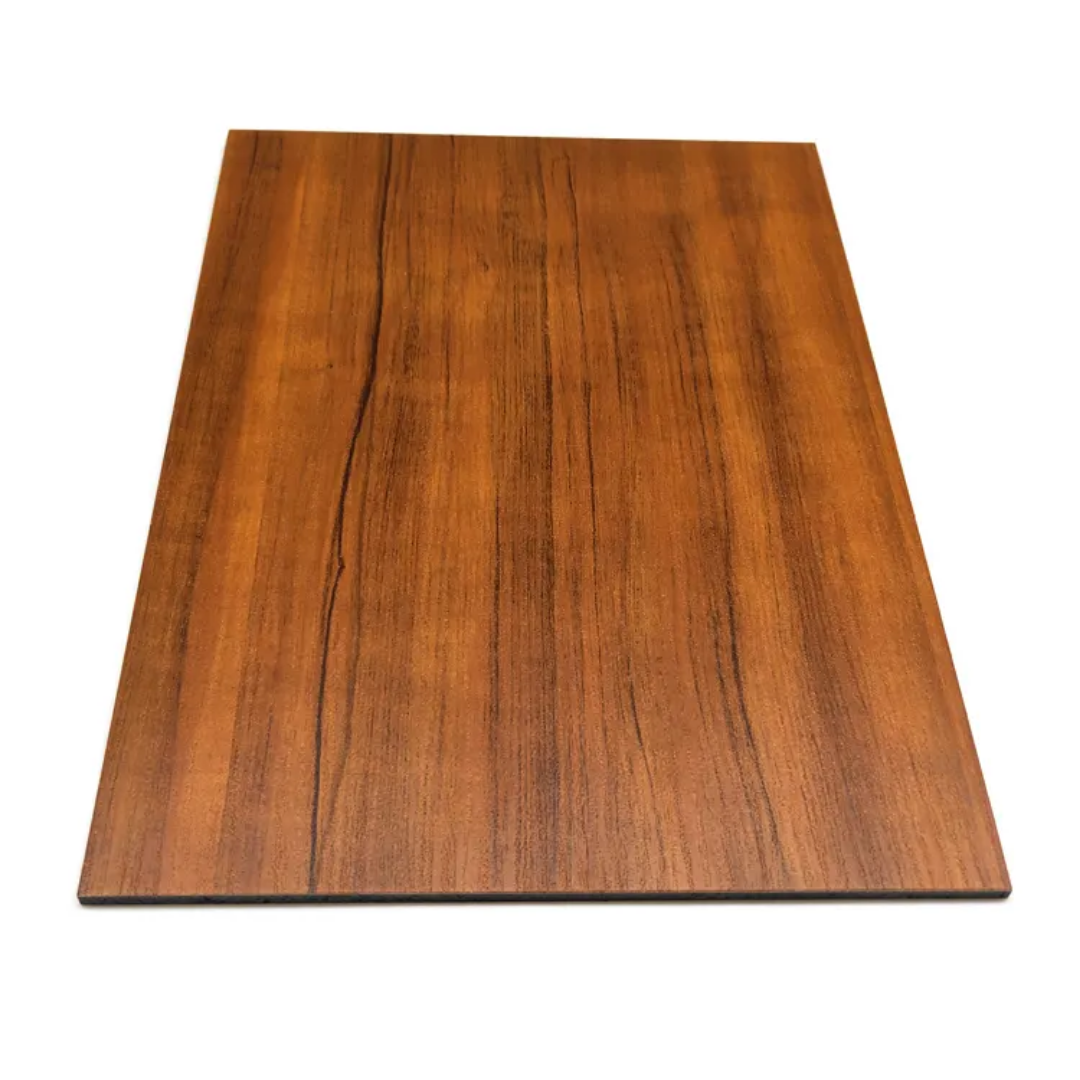
Color, Texture, and Finish Innovation: Moving far beyond basic metallics, modern ACP offers an expansive palette of options. This includes vibrant solid colors, realistic wood grains and stone patterns, mirror finishes, and custom digital prints. This versatility allows buildings to reflect corporate brands, cultural themes, or environmental contexts, contributing to a more diverse and engaging visual texture in dense urban districts.
Dynamic Facades and Responsive Skins: ACP is at the forefront of interactive architecture. By integrating with LED lighting systems, ACP facades can transform into massive, dynamic canvases for light art or public information. Furthermore, its use in kinetic facade systems, where panels move to regulate light and air, creates buildings that are not static objects but responsive environmental filters.
2. Engineering the High-Rise Revolution: Performance at Scale
The proliferation of high-density, high-rise urban living has been critically enabled by the performance characteristics of ACP cladding systems.
The Lightweight Advantage: ACP’s minimal weight dramatically reduces the structural load on a building. This allows for taller, more slender designs and can significantly decrease the amount of steel and concrete needed in the superstructure, leading to material savings and more efficient foundational engineering.
Superior Weathering and Durability: Urban environments are harsh, with pollution, acid rain, and constant thermal cycling. High-quality ACP systems are engineered with PVDF (Polyvinylidene Fluoride) or nano-ceramic coatings that provide exceptional resistance to fading, chalking, and corrosion, ensuring the building’s aesthetic intent endures for decades with minimal maintenance.
Integrated Performance: Modern ACP is a component of a sophisticated rainscreen cladding system. This system creates a ventilated cavity behind the panels, managing moisture, enhancing thermal insulation (dramatically improving a building’s energy efficiency), and providing critical acoustic buffering from urban noise—a key factor in occupant well-being.
3. The Sustainable Urban Envelope: Driving Green Building Goals
As cities commit to carbon neutrality, every building component is scrutinized for its environmental impact. ACP contributes to sustainability in several key ways:
Enhancing Energy Efficiency: The thermal performance of a well-designed ACP rainscreen system reduces the energy required for heating and cooling. When paired with high-performance insulating materials in the cavity, it forms a continuous thermal barrier, lowering the building’s operational carbon footprint.
Material Efficiency and Recyclability: The aluminum skins of ACP are often made with significant post-industrial recycled content. Moreover, aluminum is 100% recyclable at the end of the panel’s life without loss of quality, supporting the circular economy. The shift towards fire-resistant mineral cores (A2 grade) also prioritizes both safety and the use of non-combustible, stable materials.
Facilitating Retrofit and Urban Renewal: ACP is the ideal material for building envelope recladding projects. It can be installed over old, inefficient facades without requiring massive structural reinforcement. This process, known as retrofitting, can modernize a building’s appearance, solve moisture and insulation issues, and extend its usable life—a sustainable alternative to demolition and rebuild.
4. Redefining the Urban Experience: Scale, Speed, and Light
The impact of ACP extends beyond the single building to influence the experience of the urban realm itself.
Creating Human Scale with Large Panels: Ironically, the use of large-format ACP panels can create a more human-scaled streetscape. By reducing visual clutter from thousands of small joints and elements, they provide cleaner, more coherent facades that are easier for the eye to process, contributing to visual calm in bustling environments.
Accelerating Urban Construction: The prefabrication and modular installation of ACP systems allow for incredibly fast facade completion. Panels are manufactured off-site under controlled conditions while the building structure is erected, leading to rapid on-site assembly. This reduces construction timelines, lowers labor costs, and minimizes disruption to the surrounding urban area—a critical factor in dense city centers.
Manipulating Light and Perception: The reflective qualities of metallic ACP can play with light, making bulky structures appear lighter and more ethereal. This can help large buildings better integrate with the sky and reduce their perceived mass, a valuable tool for sensitive urban infill projects.
Transformative Impacts of ACP in Urban Architecture
Transformation Area | Key ACP Contribution | Resulting Urban Benefit |
Aesthetic & Form | Formability, Custom Finishes, Integration with Tech | conic landmarks, visually diverse streetscapes, dynamic public art. |
Engineering & Density | Lightweight Structure, Durable Rainscreen Systems | Feasibility of taller, lighter towers; longer-lasting building skins. |
Sustainability & Efficiency | Thermal Performance, Recycled Content, Retrofit Suitability | Lower operational energy use, support for circular economy, and urban renewal. |
Construction & Experience | Prefabrication, Fast Installation, Large Format Panels | Reduced construction disruption, faster urban development, and cleaner visual lines. |
Conclusion: The Smart Material for Smart Cities
Aluminum Composite Panels are more than just a cladding material; they are a foundational technology for modern urbanism. By reconciling aesthetic ambition with engineering pragmatism, performance with sustainability, and speed with quality, ACP is helping architects and builders solve the complex challenges of 21st-century city-building. As urban areas continue to grow in density and aspiration, ACP will remain an essential tool for creating skylines that are not only taller and smarter but also more resilient, beautiful, and human-centric. The future city, in many ways, is already being paneled and perfected in aluminum.






