Welcome to Vbond
How Environmental Regulations are Shaping the Future of Aluminum Composite Panels
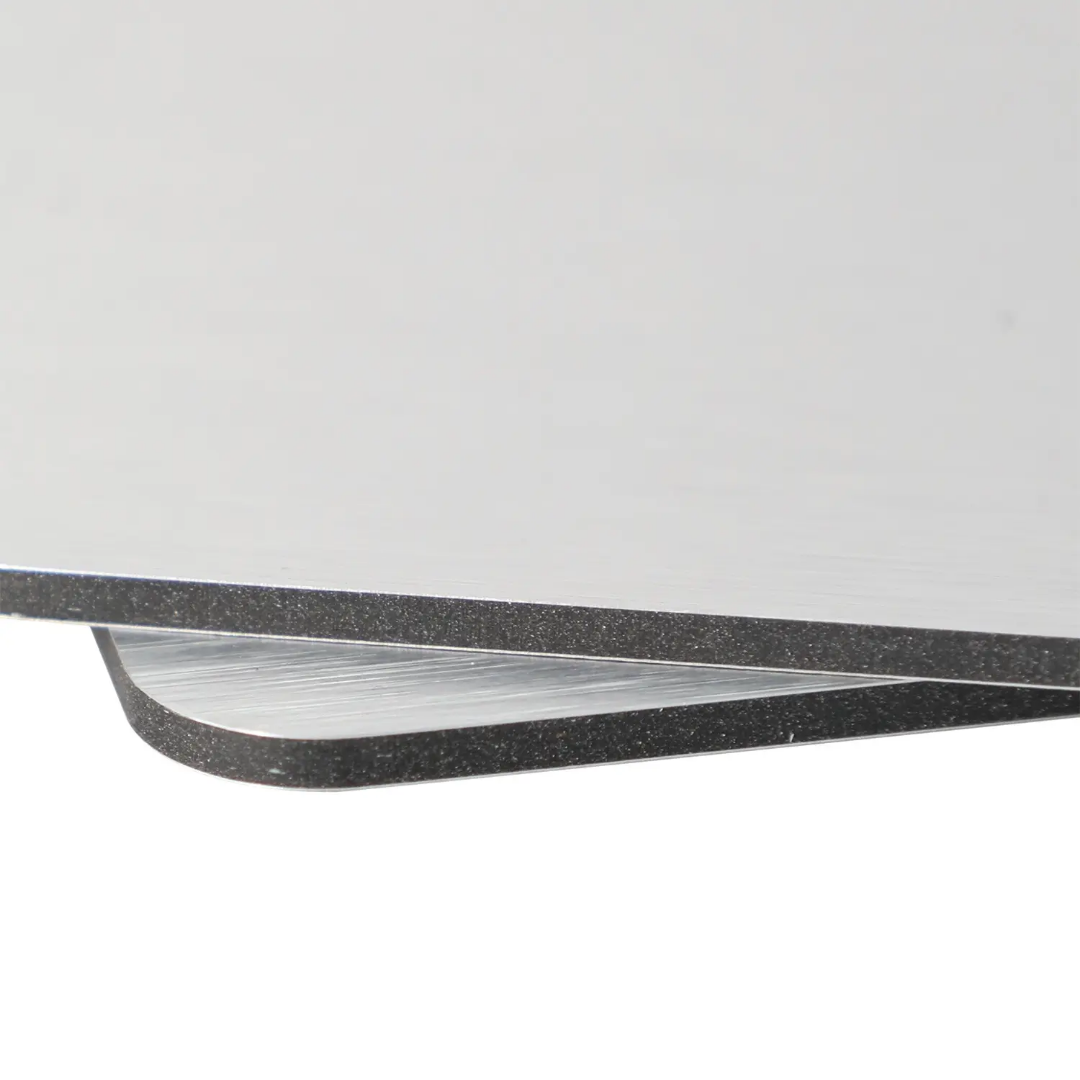
The global construction industry is undergoing a fundamental transformation. For decades, material selection was driven primarily by cost, aesthetics, and structural performance. Today, a new force is reshaping supply chains, manufacturing processes, and product specifications: environmental regulation.
Aluminum Composite Panels (ACPs), long favored for their lightweight nature, versatility, and cost-effectiveness, are now at the forefront of this shift. From carbon emission targets to circular economy mandates, regulations are no longer optional considerations—they are redefining what constitutes a compliant, marketable, and future-proof building envelope.
For professional purchasers, understanding this evolving landscape is essential to mitigating risk, ensuring project approval, and aligning with global sustainability trends.
The Regulatory Landscape: What is Driving Change?
Several interconnected regulatory frameworks are influencing the ACP industry:
1. Carbon Emissions and Embodied Carbon Limits
Governments worldwide are introducing limits on embodied carbon—the total greenhouse gas emissions generated from extracting, manufacturing, and transporting materials. In regions like the European Union (under the Carbon Border Adjustment Mechanism - CBAM) and parts of North America, building codes now require Environmental Product Declarations (EPDs) for major cladding materials.
For ACP manufacturers, this means:
- Transitioning to low-carbon aluminum sourced from recycled or hydro-powered smelters.
- Optimizing production to reduce energy consumption per square meter.
- Providing transparent, verified EPDs to enable building-level carbon accounting.
2. Fire Safety and Material Toxicity
While fire safety regulations (such as A2/B1 classifications) initially emerged from life-safety concerns, they have increasingly intersected with environmental mandates. Many jurisdictions now prohibit the use of halogenated flame retardants and other persistent organic pollutants (POPs) in building materials.
Modern environmental regulations require that fire-retardant cores in A2 and B1 panels achieve safety standards without introducing toxic chemicals that persist in the environment or complicate end-of-life recycling.
3. Circular Economy and End-of-Life Responsibility
The concept of a circular economy is moving from aspiration to regulation. The EU’s Construction Products Regulation (CPR) revision and similar policies in other markets increasingly mandate that building materials be designed for disassembly and recyclability.
This has profound implications for ACPs:
- Traditional polyethylene (PE) core panels have historically been difficult to recycle because separating the aluminum skins from the plastic core is labor-intensive.
- In contrast, A2 mineral-core panels and certain advanced recyclable core formulations are gaining regulatory preference because they align with circular economy principles.
How the ACP Industry is Responding
Forward-thinking manufacturers are not merely reacting to regulations—they are leveraging them to differentiate their products. Here are the key transformations occurring in the ACP sector:
1. The Rise of Low-Carbon Aluminum Skins
Aluminum production accounts for approximately 2% of global human-induced CO₂ emissions. To meet regulatory demands, leading ACP suppliers are now sourcing aluminum with certified low-carbon footprints. Look for materials verified by organizations like the Aluminum Stewardship Initiative (ASI), which certify responsible production practices.
2. Evolution of Core Materials
The environmental drawbacks of traditional PE cores (non-renewable, difficult to recycle) have accelerated innovation. The market is seeing rapid adoption of:
- Mineral-filled A2 cores: These are inherently non-combustible and often contain recycled content. Their inorganic composition also simplifies recycling at end-of-life.
- Bio-based cores: Some manufacturers are experimenting with cores derived from renewable sources, though fire performance remains a critical balance.
- Recyclable thermoplastic cores: New formulations are emerging that maintain B1 fire performance while allowing clean separation of aluminum and core material for recycling.
3. Extended Producer Responsibility (EPR)
In several regions, EPR schemes are being introduced that hold manufacturers financially responsible for the end-of-life management of their products. This incentivizes ACP producers to design for recyclability and establish take-back programs, giving purchasers a compliant pathway for future building deconstruction.
What Procurement Specialists Need to Consider
For buyers responsible for sourcing ACPs, navigating this regulatory shift requires a proactive approach. Here are the key criteria to integrate into your sourcing strategy:
Consideration | Why It Matters |
EPD Availability | Verify that the manufacturer provides certified Environmental Product Declarations. This is becoming mandatory for green building certifications (LEED, BREEAM) and regulatory compliance. |
Third-Party Certifications | Look for ASI Chain of Custody, Declare labels, or Cradle to Cradle certifications. These provide independent validation of environmental claims. |
Recycled Content | Specify minimum recycled content percentages. Many jurisdictions are setting thresholds for public projects. |
Core Composition | Understand the exact chemistry of the core. Avoid panels containing substances restricted under REACH or similar chemical regulations. |
End-of-Life Strategy | Inquire about the manufacturer’s position on recyclability. Can the panel be returned, or is there a documented recycling pathway? |
The Business Case for Compliant ACPs
While environmentally compliant ACPs may carry a higher upfront cost compared to traditional PE-core panels, the total cost of ownership tells a different story:
- Regulatory Certainty: Specifying compliant panels eliminates the risk of project delays, retrofit costs, or legal penalties resulting from non-compliance.
- Access to Green Projects: Many high-value commercial, institutional, and government projects now mandate sustainability criteria. Suppliers without verifiable environmental credentials are automatically excluded.
- Asset Value: Buildings constructed with certified low-carbon, non-toxic materials command higher market valuations and attract tenants with corporate sustainability commitments.
Looking Ahead
Environmental regulations will continue to tighten. The trend is clear: the future of aluminum composite panels lies in low-carbon aluminum, mineral-based or recyclable cores, and full lifecycle transparency. Manufacturers who invest in these areas will thrive; those who rely on legacy PE-core products will face shrinking market access.
For procurement professionals, the message is equally clear: environmental compliance is no longer a niche consideration—it is a core specification requirement. By aligning your sourcing strategy with these regulatory trends, you not only ensure project compliance but also position your organization as a leader in sustainable construction.