Welcome to Vbond
How Facility Managers Can Extend the Life of Their ACP Cladding by 10 Years
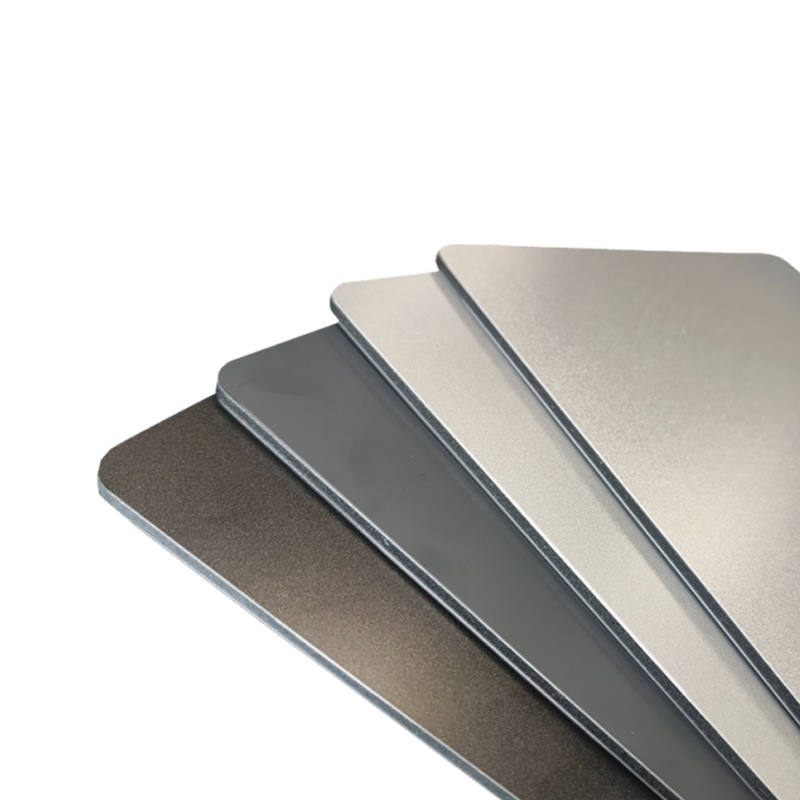
For a Facility Manager, the building envelope is the first line of defense against the elements—and the most visible statement of your property’s value. Aluminum Composite Panel (ACP) cladding is favored worldwide for its sleek aesthetics, durability, and cost-effectiveness. Industry standards suggest a typical lifespan of 20 to 30 years for high-quality ACP systems .
However, "typical" is not "guaranteed." In the field, facility managers know that environmental stress, regulatory pressure, and wear-and-tear can degrade facades prematurely. The gap between a 20-year building and a 30-year building often comes down to one thing: active management.
By implementing a strategic maintenance and risk management protocol, facility managers can realistically add a decade of functional life to their ACP cladding. Here is your professional guide to achieving that 10-year extension.
The Facility Manager’s Mindset: From Passive Observer to Active Protector
To extend the life of ACP cladding, you must shift from reactive repairs to proactive stewardship. ACP degradation is rarely sudden; it is a slow decay of bond strength, coating integrity, and joint seals .
Research indicates that as long as the delamination resistance of the panel does not decay by more than 25% due to heat and moisture, a 25-year lifespan is achievable . Your job is to ensure that decay never approaches that threshold.
The 5-Pillar Strategy to Add 10 Years to Your ACP Facade
1. Master the Science of Cleaning (The "Gentle Hygiene" Protocol)
The most common cause of premature aging is not structural failure, but surface degradation. Dirt accumulation, industrial grime, and salt deposits act as abrasives and chemical agents that wear down the protective PVDF (Polyvinylidene Fluoride) coating .
The Frequency Rule:
- Standard Environments: A thorough clean once or twice a year is sufficient .
- High-Risk Zones: In heavily industrialized areas, coastal regions, or active construction zones, increase frequency to quarterly cleanings to remove harmful deposits before they bake onto the surface .
The Correct Technique:
- Step 1: The Rinse. Start with a forceful water rinse from the top down to remove loose soil. Low volume with moderate pressure is more effective than high volume with low pressure .
- Step 2: The Wash. Use a mild detergent with a pH level around 8 . Apply with a soft sponge or rag using horizontal motions, then vertical. Never use abrasive pads, scouring agents, or strong solvents like MEK (Methyl Ethyl Ketone) or paint thinner .
- Step 3: The Rinse & Dry. Thoroughly rinse with clean water to remove all detergent residue. Wipe down with a chamois or lint-free cloth to prevent water spots .
The "Why" It Adds Years:
Regular cleaning prevents the "chalking" and fading of the PVDF resin. By maintaining the coating, you preserve the panel's UV resistance and prevent the aluminum from being exposed to corrosive elements .
2. Prioritize Sealant and Joint Integrity
Facility managers often stare at the panels but ignore the gaps. The sealants and gaskets between panels are the "weakest link." They are typically made of polymers like silicone or polyurethane, which have a shorter lifespan than aluminum.
The Annual Inspection Checklist:
- Visual Check: Look for cracking, hardening, shrinking, or peeling of sealants.
- Adhesion Test: Gently probe the sealant to ensure it is still firmly bonded to the panel edges.
- Water Ingress: After heavy rain, check behind the cladding (if accessible) or look for interior wall staining, which indicates joint failure .
The Remediation Cycle:
If sealants are compromised, water penetrates the cavity. This can lead to corrosion of the aluminum at the edges or, worse, damage to the building's internal structure. **Re-sealing every 5 to 7 years** is a best practice that can prevent the need for entire panel replacement down the line.
3. Know Your Core: Regulatory Compliance as a Longevity Strategy
Extending life isn't just about physical material; it's about legal and financial viability. A building with non-compliant cladding is a "stranded asset"—uninsurable or unsellable, effectively ending its useful life prematurely .
Facility managers must know exactly what type of core is in their walls:
- Category 3 (High Polyethylene): Cores with 50-100% polyethylene are considered high-risk. In many jurisdictions (like Australia and the UK), these are effectively banned on high-rise buildings . If you have this, your cladding life is ticking down to zero unless you replace it.
- Category 1 (Mineral / FR Core): Cores with less than 7% polyethylene are considered near non-combustible and are insurable .
Action Step for Longevity:
If your building has a Category 2 or 3 core, the only way to extend the "life" of the building asset is through remediation . This might involve:
- Full Replacement: Swapping panels for A2-rated, non-combustible mineral core panels .
- Interim Measures: Applying fire-rated coating systems or upgrading sprinklers as a temporary risk mitigation strategy while planning for capital works .
By resolving compliance issues, you remove the risk of a compulsory "end-of-life" order from regulators or insurers, immediately adding decades to the building's functional life.
4. Combat Environmental Specifics (Micro-Climate Management)
Not all environments age ACP the same way. Tailor your strategy to your specific location:
- Coastal Zones: Salt-laden air is corrosive. Inspect fixings and panel edges for corrosion annually. Ensure your panels are PVDF-coated, as polyester coatings will fail rapidly here .
- Industrial Zones: Chemical fallout can etch the coating. Cleaning frequency must increase, and you should monitor the pH of runoff during cleaning to neutralize acidic deposits .
- Urban Canyons: Sheltered areas (like under overhangs) don't get rain-washed. They accumulate dirt faster and require manual cleaning to prevent "shadowing" and long-term coating bond failure .
5. The "Scratch-Free" Rule: Protecting the Surface During Maintenance
One of the fastest ways to shorten ACP life is by scratching the surface during routine building maintenance. Scratches create weak points where corrosion can start.
Operational Protocols:
- Window Cleaners: Ensure their lanyards, clips, and tools are taped or padded to avoid scraping the facade.
- Protective Film: If panels are newly installed or if you are doing nearby construction, ensure the protective film is removed **within 3 months**. If left too long (especially in heat), the glue bonds to the panel and becomes a nightmare to remove, often requiring harsh chemicals that damage the finish .
- Pressure Washing: Never use high-pressure washers on ACP seals or edges. Forced water can penetrate the system and cause delamination of the core from the aluminum skin .
The 10-Year Extension Timeline: A Facility Manager’s Roadmap
Yearly Cycle | Action Required | Impact on Lifespan |
Quarterly | Spot cleaning of bird droppings, tree sap, and industrial fallout. | Prevents localized etching of the PVDF coating. |
Annually | Full washdown with mild detergent; visual inspection of sealants. | Maintains UV reflectivity; catches joint failures early. |
Every 3 Years | Professional inspection of sealant integrity and metal fixings. | Prevents water ingress and structural corrosion. |
Every 5 Years | Review regulatory status (fire risk categorization). | Ensures insurability and compliance, avoiding forced removal. |
Every 10 Years | Deep assessment of bond strength (peeling resistance) via sampling. | Validates that the core-skin bond is still above the critical 25% decay threshold . |
By implementing a strict cleaning protocol, vigilantly maintaining sealants, ensuring regulatory compliance, and protecting the physical surface from damage, you can confidently add a decade of high-performance life to your building’s most important skin.
The ROI is clear: The cost of a maintenance plan is a fraction of the cost of a full cladding replacement.