Welcome to Vbond
How Thermal Expansion Affects Aluminum Composite Panel Facade Design
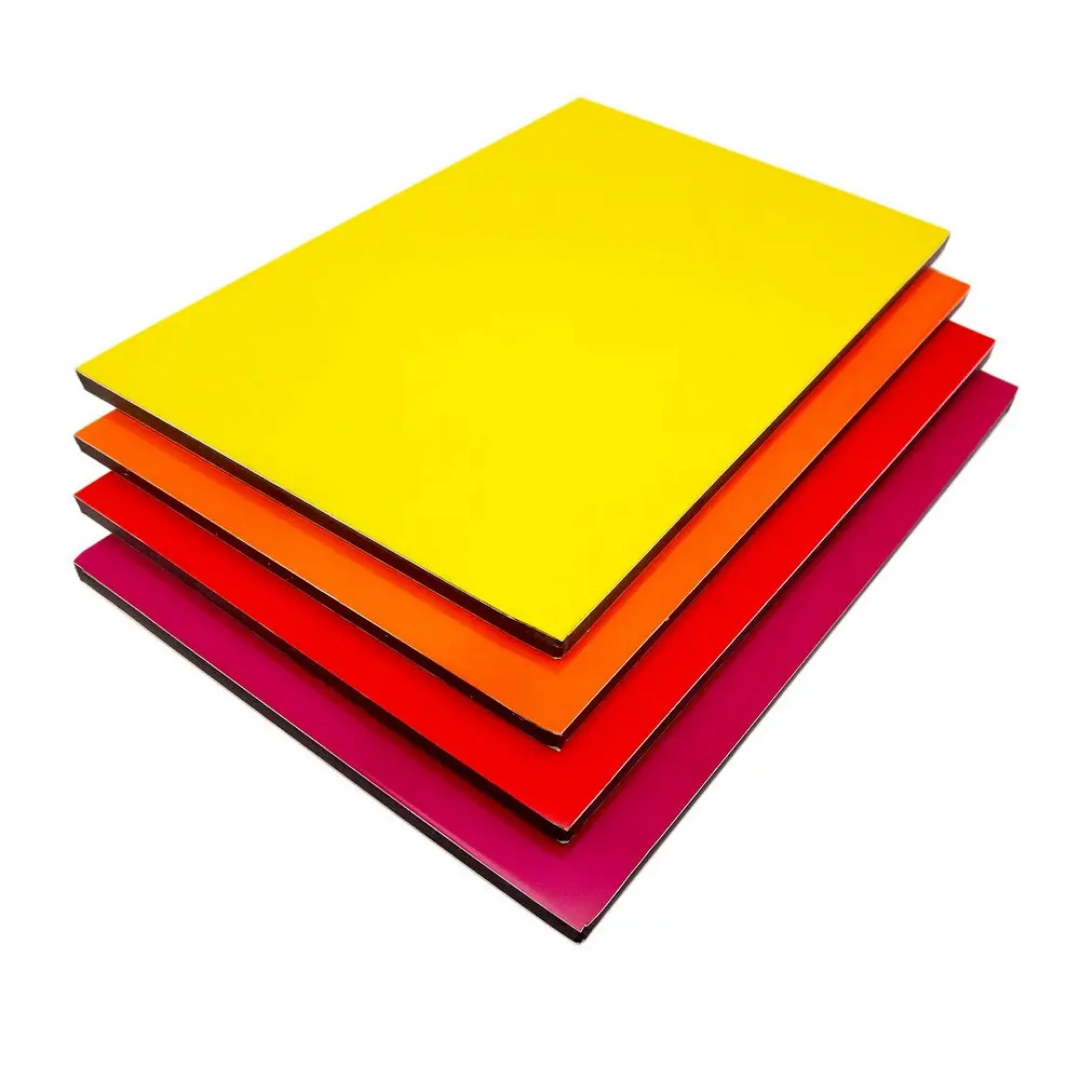
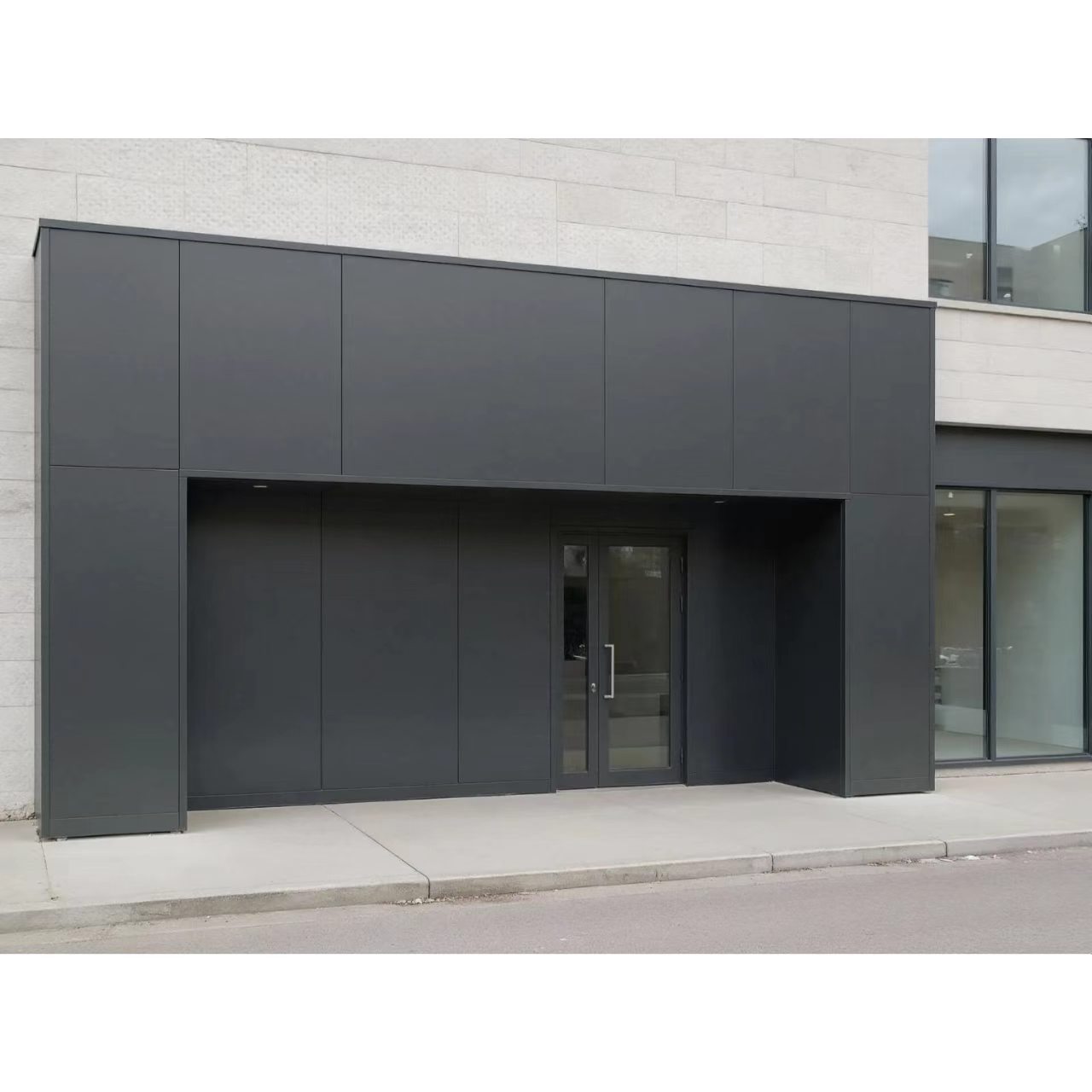
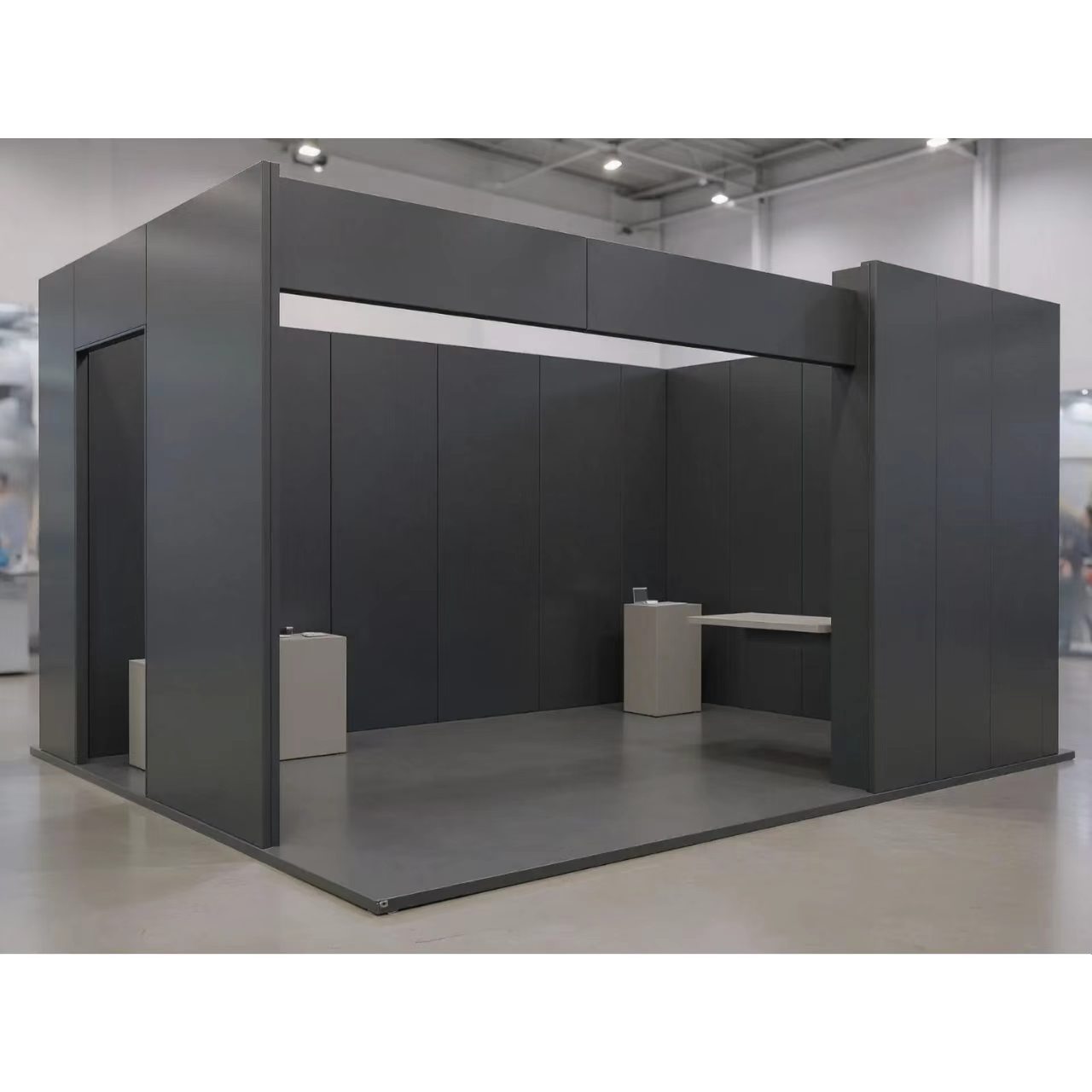
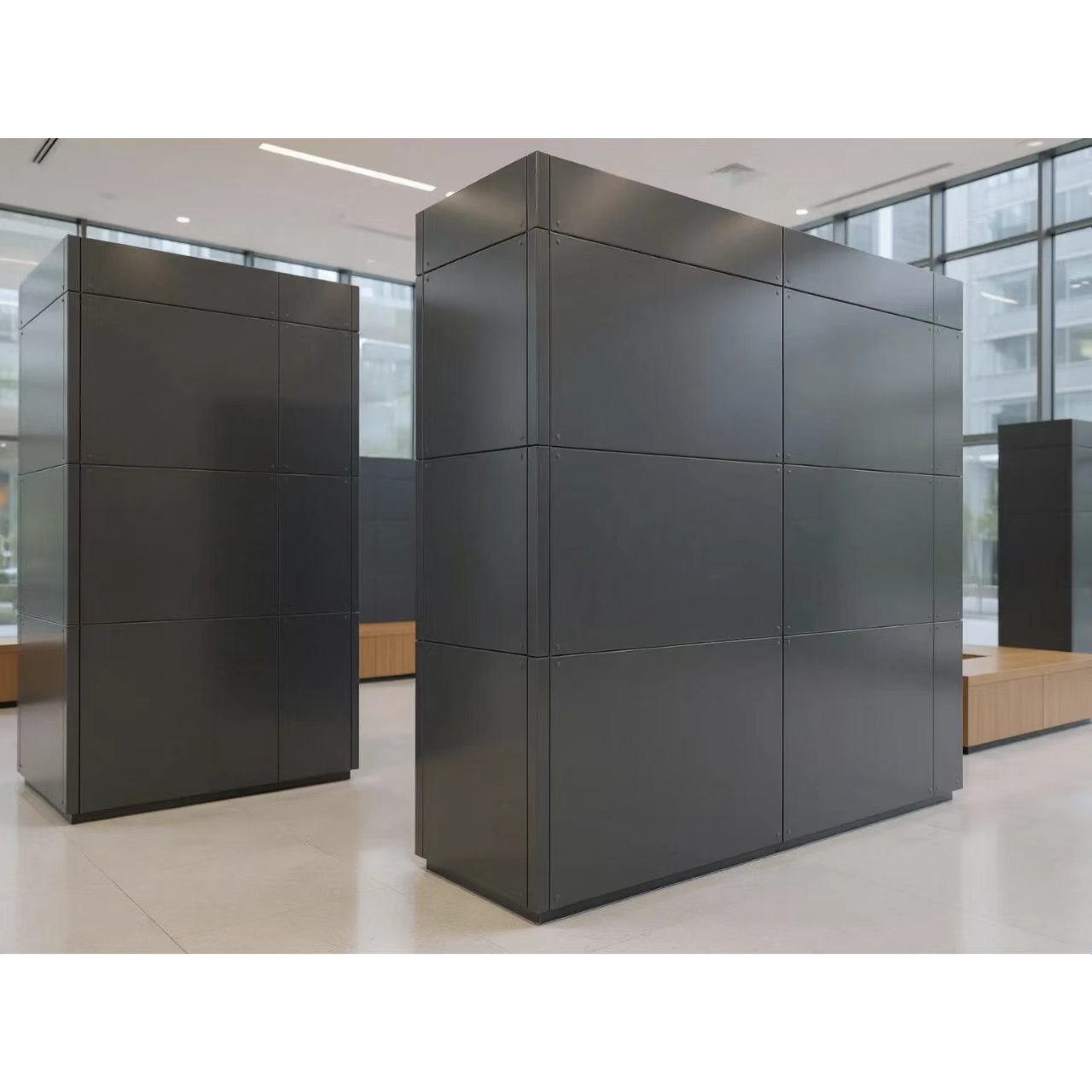
Thermal expansion is a fundamental physical property that plays a crucial role in the performance and longevity of aluminum composite panel (ACP) facades. As temperatures rise and fall throughout the day and across seasons, ACP materials naturally expand and contract. When this movement is not properly accounted for in facade design, the consequences can be severe—ranging from visible surface defects to structural damage and premature system failure.
For procurement professionals and facade specifiers, understanding how thermal expansion affects ACP performance is essential to selecting the right materials, specifying appropriate installation systems, and avoiding costly failures. This article explores the science behind thermal expansion in ACPs, its impact on facade design, and practical strategies for managing thermal movement.
1. Understanding Thermal Expansion in Aluminum Composite Panels
The Science Behind the Movement
Thermal expansion is the tendency of matter to change in volume in response to a change in temperature. For linear building elements like facade panels, the focus is on linear thermal expansion—the change in length that occurs as temperature fluctuates. When a metal panel heats up, its atoms vibrate more vigorously, pushing each other apart. If the panel is free to move, it simply expands. If it is restricted, that expansion converts into mechanical stress.
Aluminum composite panels expand significantly more than many other common building materials. The outer aluminum skins have a relatively high coefficient of thermal expansion—approximately 23.1×10⁻⁶ /°C. To put this in practical terms, the industry standard linear thermal expansion for ACPs is 2.4 mm per meter of panel length for every 100°C temperature difference.
To put this into perspective, aluminum expands roughly twice as much as steel. A mounting system designed for steel cassettes will fail if used for aluminum without modification. This means that ACP facades require more careful attention to expansion management than many other cladding materials.
Core Material Matters
The core material also influences how an ACP responds to thermal stress. Panels with mineral-filled A2 cores offer superior dimensional stability under temperature fluctuations compared to standard polyethylene-core panels. The composite structure of A2 panels provides enhanced flatness characteristics, with minimal thermal expansion coefficients that help prevent warping and buckling.
2. The Consequences of Ignoring Thermal Expansion
When thermal movement is not properly accounted for in facade design, several problems can emerge:
Oil Canning and Surface Distortion
When panels are mounted without allowance for thermal expansion, they may begin to show wrinkles or ripples on the exposed surfaces—a phenomenon often called the oil can effect. This visible distortion compromises the aesthetic integrity of the facade, creating an uneven, wavy appearance that reflects light poorly.
The aluminum skins of ACP panels have a high coefficient of thermal expansion, making them prone to distortion if not properly designed and installed. When thermal expansion is restricted, panels convert expansion potential into mechanical stress. Aluminum, being softer than steel, tends to buckle, warp, or tear at fastening points rather than generating a massive force.
Panel Deformation and Bulging
In many cases, panel deformation is not caused by the ACP panel itself but by the base structure or attachment method. When panels cannot expand freely, the force exerted on surrounding components can cause bending at the weakest parts—often at the folds of returns. Although the movement is small, repeated expansion and contraction cycles can weaken the fold or allow for uncontrolled water penetration. Repeatedly bending metal eventually leads to failure.
Fastener and Structural Stress
If a panel is restricted—pinned at both ends—thermal expansion generates mechanical stress that can shear screws, elongate holes, or tear at fastening points. Over-tightening fasteners is a common mistake that can deform the aluminum skin and restrict panel movement[reference:13]. Fasteners should be tightened just enough for firm holding without creating pressure marks, allowing the panel to float slightly for thermal expansion.
Joint Failure and Water Infiltration
Improper joint design leads to uneven seams, weak sealing, or water leakage[reference:14]. When joints are not designed with sufficient width to accommodate expansion, panels may push against each other, causing buckling at the joints and compromising the weatherproofing of the facade system.
3. The Critical Role of Color and Climate
Dark Colors Absorb More Heat
The color of an ACP facade directly affects how much thermal expansion occurs. Dark colors absorb more solar radiation than light colors. In extreme cases, a dark anthracite (RAL 7016) or black facade can reach surface temperatures of +80°C even when the air temperature is only +35°C.
The total temperature range a panel experiences depends on both the minimum winter temperature and the maximum summer surface temperature. For a safe design calculation in regions with significant seasonal variation, a total design range of 100°C to 110°C may be appropriate for dark surfaces.
Regional Climate Variations
The required expansion gap varies significantly by geographic location. For example, Ukraine experiences climate shifts from Arctic-like winters to subtropical summer heat, requiring careful expansion management. In hot climates where daytime temperatures exceed 45–50°C, panels must be installed with proper spacing to accommodate stable thermal expansion.
For projects in the Gulf and Middle East—where temperatures can exceed 50°C and facades receive direct sunlight most of the year—ventilated facade systems help reduce trapped heat, and thermal movement at panel edges must be carefully allowed for.
4. Engineering Solutions for Thermal Expansion Management
Expansion Joint Placement
Designers address thermal expansion by specifying expansion joints at logical locations. Industry guidance recommends expansion joints every 3 to 6 meters, depending on panel size and local temperature swings. Where panel runs exceed 10 meters, breaks should be introduced at column lines or floor slabs, aligning with the building's natural expansion points.
Sliding Attachment Systems
The attachment system must allow for movement. Subframes should incorporate sliding brackets or pivots that allow panels to move longitudinally while remaining firmly anchored laterally. Attachment systems typically include slotted holes, sliding clips, or other provisions that allow for thermal movement.
A well-designed panel mounting system, such as the Fairview Arrowhead Panel Installation System, has been engineered and tested to safely allow for thermal expansion and contraction.
Sealants and Gaskets
Neoprene gaskets or EPDM tapes between panels seal gaps yet compress under movement. High-quality, UV-resistant sealants are essential, and acetic-cure silicones should be avoided as they can discolor the facade and fail over time.
Proper Fastening Technique
The rule for fasteners is simple: allow the panel to float. Overtightening fasteners can deform the aluminum skin and restrict panel movement. Rivets or screws must not restrict thermal activity—fasteners should be tightened just enough for firm holding without creating pressure marks.
5. Calculating Required Expansion Gaps
Engineers calculate expected movement using a straightforward formula:
> Expansion (mm) = Length (m) × Coefficient of Linear Expansion (α) × Temperature Change (ΔT)
For ACPs, the coefficient of linear expansion is approximately 0.024 mm per meter per °C. To determine the required expansion gap, joint width is typically designed to accommodate twice the expected movement to provide a safety margin.
Example Calculation: For a 6-meter aluminum facade profile with a temperature range of 100°C:
- Expansion = 6 × 0.024 × 100 = 14.4 mm
For ACP panels, a commonly cited guideline is to maintain a minimum gap of 2.4 mm per meter of panel length** for thermal movement.
6. How Core Selection Affects Thermal Performance
The choice of ACP core material has significant implications for thermal expansion management:
A2 Mineral-Filled Core: Offers excellent fire stability and long-term strength in extreme temperatures. Mineral-filled A2 cores provide superior flatness characteristics, with minimal thermal expansion coefficients that prevent warping and buckling under temperature fluctuations.
Fire-Retardant (FR) Core: Suitable for hot climates and general facade use, offering good dimensional stability.
Polyethylene (PE) Core: Acceptable for signage but not recommended for external facades in hot climate zones due to higher expansion rates.
For procurement professionals, selecting FR or A2 cores is essential for buildings exposed to high radiation and strong sunlight. A2 mineral-core panels also offer enhanced fire safety compliance with international standards.
7. Procurement and Specification Best Practices
To ensure thermal expansion is properly addressed in your ACP facade project, incorporate these specifications into procurement documents:
Specify Expansion Joint Requirements: Require expansion joints at intervals of no more than 6 meters, or in accordance with manufacturer guidelines based on panel size and local climate.
Require Sliding Attachment Systems: Specify that attachment systems must include slotted holes, sliding clips, or other provisions that allow for thermal movement.
Define Fastener Specifications: Require corrosion-resistant fasteners compatible with aluminum, with torque specifications that allow panel float without over-tightening.
Address Sealant Quality: Mandate neutral-cure silicone sealants recommended for ACP systems, with UV resistance for exterior applications.
Verify Manufacturer Guidelines: Request manufacturer installation guidelines that specifically address thermal expansion requirements for the proposed panel system.
Consider Local Climate: Provide the supplier with the project's expected temperature range (both minimum winter temperatures and maximum summer surface temperatures, accounting for dark colors if used).
8. Common Mistakes to Avoid
Even with proper specifications, installation errors can undermine thermal expansion management. Avoid these common pitfalls:
- No allowance for thermal movement: The most frequent mistake. Leaving panels tight against each other with no gaps causes buckling and distortion.
- Overtightening fasteners: Excessive tightening deforms the aluminum skin and restricts necessary panel movement.
- Wrong sealant selection: Acetic-cure silicones can discolor the facade and fail over time.
- Inconsistent joint widths: Variations in joint width cause aesthetic inconsistencies and structural issues.
- Ignoring directional orientation* Panels must follow the arrow direction marked on protective film; installing without respecting orientation leads to visible shade differences.
9. Ventilated Facade Systems: An Effective Solution
Ventilated facade systems offer a proven approach to managing thermal expansion while improving building energy efficiency. These systems incorporate several key features:
- Air circulation behind panels reduces trapped heat, lowering peak surface temperatures and thus the magnitude of thermal expansion[reference:45].
- Sliding attachment mechanisms allow panels to move freely while remaining securely anchored.
- Thermally broken subframes reduce heat transfer through the building envelope, improving energy efficiency and reducing temperature extremes on the cladding.
- Drainage and ventilation paths prevent water accumulation and allow airflow, reducing humidity-related issues.
Ventilated facade systems are particularly beneficial in hot climates and for dark-colored facades, where heat buildup would otherwise be substantial.
Conclusion
Thermal expansion is not a design detail to be overlooked—it is a fundamental consideration that affects every aspect of aluminum composite panel facade performance. From aesthetic integrity to structural safety, proper management of thermal movement determines whether a facade will perform beautifully for decades or fail prematurely.
For procurement professionals, the key takeaways are clear: specify expansion joints at appropriate intervals, require sliding attachment systems that allow panels to float, select high-quality sealants rated for thermal movement, and coordinate with installers to ensure fasteners are not over-tightened. For projects in extreme climates or with dark-colored facades, the required expansion gaps will be larger, and A2 mineral-core panels offer superior dimensional stability.
When thermal expansion is properly accounted for in design, specification, and installation, aluminum composite panel facades deliver exceptional durability, weather resistance, and a premium architectural appearance for decades to come.