Welcome to Vbond
How to Choose Alucobond: A Professional Guide to Specification and Selection
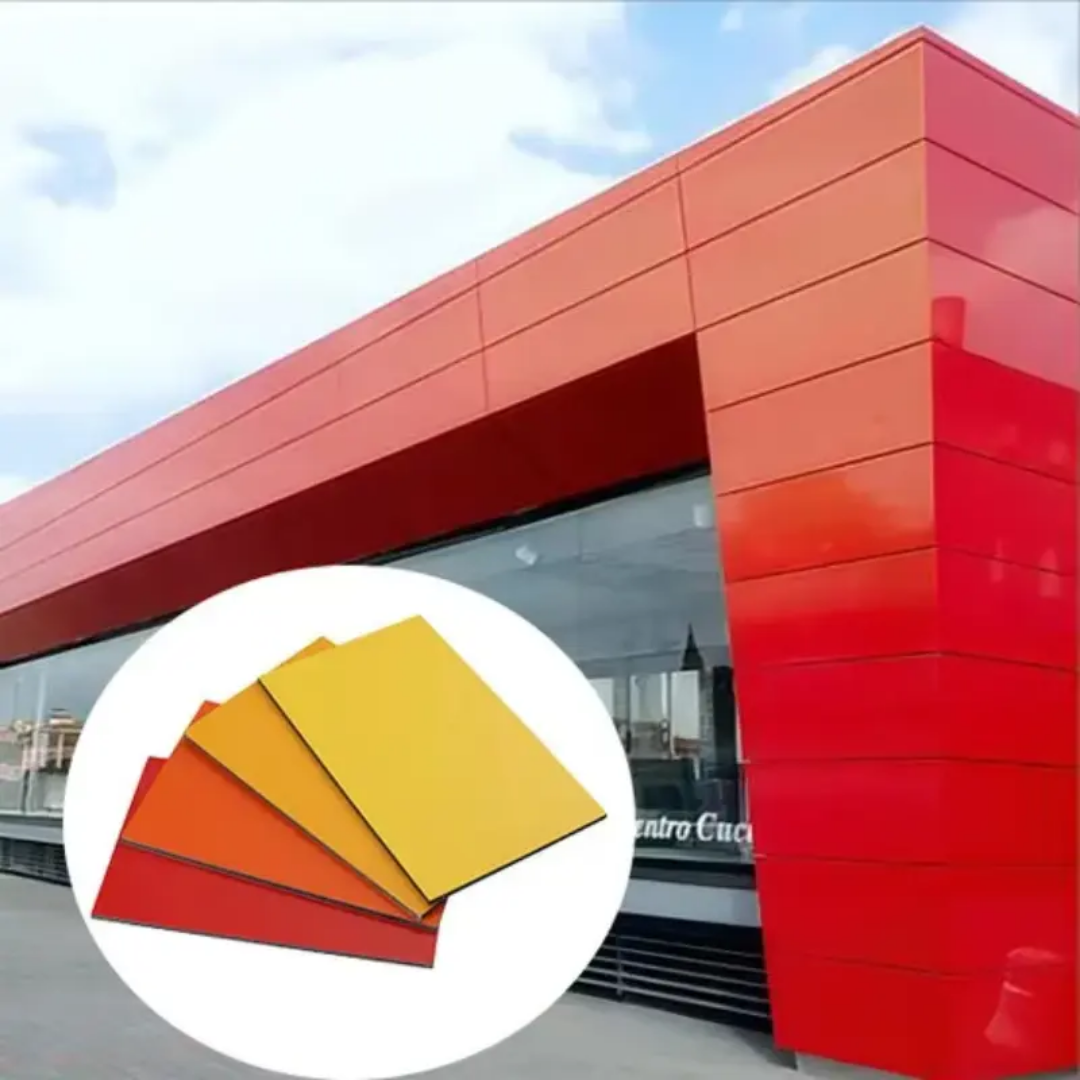
Selecting the right Alucobond material for your building project is a critical decision that impacts aesthetics, performance, safety, and budget. Alucobond, a premier brand of aluminum composite material (ACM), offers a range of products, but a "one-size-fits-all" approach does not apply. This professional guide provides a systematic framework for architects, specifiers, and developers to make an informed choice, ensuring the selected panels meet all project requirements.
1. Defining Core Performance Requirements
The selection process begins not with a color swatch, but with a clear understanding of the project's non-negotiable performance criteria.
1.1 Fire Safety and Combustibility: The Paramount Factor
This is the most critical specification. Building codes have evolved dramatically, and your choice is dictated by the building's type, height, and occupancy.
Fire-Rated Core (Mineral Core): Mandatory for most commercial, institutional, and multi-story residential buildings. This core, filled with a mineral compound, is non-combustible and meets stringent international standards (e.g., NFPA 285, EN 13501-1 Class A2/A1). It is the only acceptable choice for projects where life safety is the priority.
Polyethylene (PE) Core: A traditional, combustible core. Its use is now heavily restricted or banned in many jurisdictions for anything other than very low-rise or non-critical applications (e.g., signage, interior features). Never assume PE core is permissible—always verify with the local Authority Having Jurisdiction (AHJ).
1.2 Durability and Weatherability
Assess the project's environmental exposure to select the most suitable coating system.
PVDF (Polyvinylidene Fluoride) Coatings: The industry standard for superior long-term performance. Offers exceptional resistance to UV radiation, color fading (chalking), chemicals, and extreme weather. Warranty periods for PVDF can extend to 20 years or more**.
PE (Polyester) Coatings: A more economical option with good initial color and gloss, but significantly lower resistance to fading and environmental degradation. Best suited for interior applications or short-lifecycle projects.
2. Navigating Aesthetic and Design Options
Once performance is assured, you can explore the extensive design palette.
2.1 Color, Finish, and Texture
Standard Solid Colors: Available in hundreds of standard colors, from classic neutrals to vibrant shades.
Metallic and Anodic Finishes: Offer a dynamic, reflective appearance that changes with light.
Special Effect Finishes: Include woodgrain, stone, and brushed metal textures that mimic other materials with the benefits of ACM.
Custom Colors: Most manufacturers offer custom color matching for brand-specific or unique design requirements.
2.2 Panel Thickness and Stiffness
Alucobond is available in various total thicknesses (e.g., 3mm, 4mm, 6mm).
Thinner Panels (3-4mm): Common for flat or lightly curved facades on mid-rise buildings. Lighter weight and more cost-effective.
Thicker Panels (6mm+): Provide increased rigidity and flatness for taller buildings, larger panels, or more dramatic curved applications. They reduce oil-canning (visible waviness).
2.3 Formability for Curves and Shapes
A key advantage of ACM is its ability to be cold-formed. The bend radius varies by panel thickness and core type. Clearly communicate all curved elements in your design to your supplier to ensure the specified panel can achieve the desired radii.
3. Understanding Installation and System Integration
The panel does not work in isolation; it is part of a complete cladding system.
3.1 Attachment Systems
Choose a system that aligns with your design, budget, and structural substrate.
Cassette (Panel) Systems: The most common. Panels are pre-fabricated into cassettes with folded edges and attached via hidden clips. Creates a clean, flush appearance.
Batten Systems: Panels are installed behind an exposed grid of vertical or horizontal battens (rails). Creates a strong shadow line and architectural expression.
Rivet Systems (Exposed Fastener): A more economical option where the mechanical fasteners (rivets) are part of the visual aesthetic.
3.2 Supplier and Fabricator Expertise
Your choice of partner is as important as the material itself.
Manufacturer Reputation: Source from established, reputable manufacturers who provide comprehensive technical data sheets (TDS), fire test reports, and valid warranties.
Fabricator/Installer Qualification: The best panel can fail if improperly fabricated or installed. Work with experienced, certified fabricators who understand critical details like thermal expansion joints, drainage, and sealant compatibility.
4. Implementing a Structured Selection Checklist
Use this checklist to guide your decision-making process:
1. Project Parameters: Building type, height, occupancy, and geographic location (climate/UV exposure).
2. Code & Safety: Confirm fire rating requirement with the AHJ. Specify a fire-rated mineral core unless PE is explicitly permitted for the application.
3. Performance: Select PVDF coating for exterior durability. Determine the required panel thickness based on span and desired flatness.
4. Aesthetics: Choose color, finish, and form (flat vs. curved) from the manufacturer's portfolio.
5. System & Execution: Decide on attachment system (cassette, batten). Vet and select a qualified manufacturer and fabricator/installer team.
6. Documentation: Secure and review all product data, test reports, samples, and warranty information before finalizing the specification.
Choosing Alucobond is a technical specification process, not merely a design selection. By prioritizing fire safety through mineral core panels, demanding proven durability with PVDF coatings, understanding the implications of panel thickness, and partnering with qualified technical experts for fabrication and installation, you can ensure your building's façade is not only beautiful but also performs safely and reliably for decades. Always begin with the codes and end with the complete system in mind.






