Welcome to Vbond
How To Choose An Aluminum Composite Panel Manufacturer
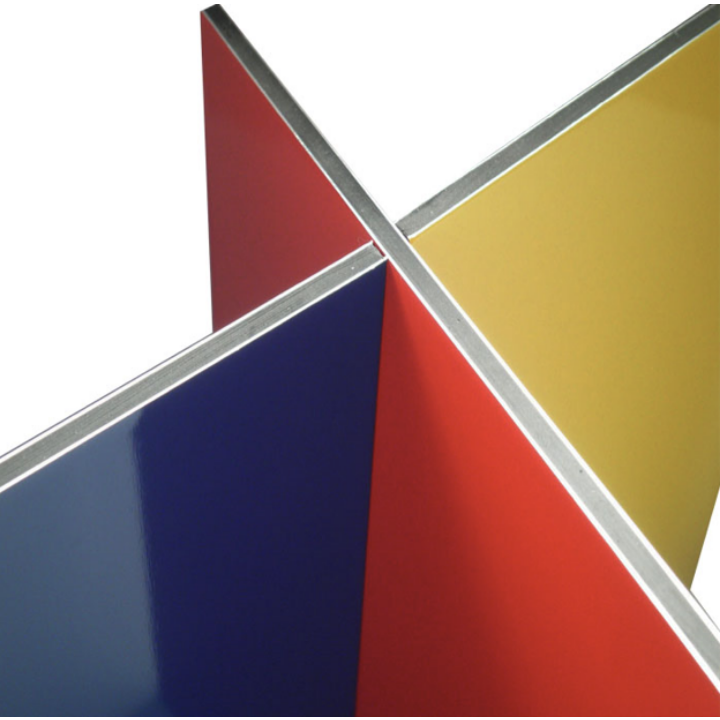
How To Choose An Aluminum Composite Panel Manufacturer
You need aluminum composite panels. You find a supplier online. The price looks good. The website looks professional.
But how do you know they are the right Aluminum Composite Panel Manufacturer for your project? A wrong choice costs you money, time, and reputation. A right choice gives you a partner for years.
This guide shows you exactly how to evaluate and choose an Aluminum Composite Panel Manufacturer. You will learn the 12 critical checks. You will understand what separates a premium factory from a trading company. And you will know how to protect your project from costly mistakes.
Step 1: Define Your Project Requirements First
Before you contact any Aluminum Composite Panel Manufacturer, define your needs clearly.
Write down these details:
- Panel thickness (3mm, 4mm, 6mm)
- Coating type (PVDF, PE, polyester)
- Fire rating (PE, FR, A2)
- Color and finish
- Quantity (square meters or number of sheets)
- Delivery deadline
- Budget range
A manufacturer who understands your requirements will give you an accurate quote. A manufacturer who gives you a generic price without asking questions is not listening.
Step 2: Verify The Manufacturer's Legal Status
Not every company that sells panels is a manufacturer. Many are trading companies. Trading companies add cost. They also add risk.
How to verify:
Ask for their business license. Check the company name. Check the registered capital. Check the business scope.
Check | What To Look For | Red Flag |
Business license | Company name matches | Name mismatch |
Registered capital | Substantial capital | Very low capital |
Business scope | Includes manufacturing | Only trading |
Factory address | Physical location | Virtual office only |
Step 3: Check Certifications And Test Reports
Certifications prove that a manufacturer meets international standards. They are not optional. They are your protection.
Essential certifications:
Certification | What It Proves | Why It Matters |
ISO 9001 | Quality management system | Consistent production |
ISO 14001 | Environmental management | Responsible manufacturing |
CE | European conformity | Access to European markets |
ASTM E84 | Fire performance | Safety compliance |
EN 13501-1 | Fire classification | A2, B1 ratings |
SGS / TUV | Third-party testing | Independent verification |
Ask for the certificates. Check the expiry dates. Check the scope. A real certificate covers the products you are buying.
If the Aluminum Composite Panel Manufacturer cannot provide certificates, walk away.
Step 4: Evaluate Production Capacity And Equipment
A manufacturer's capacity determines whether they can meet your deadline.
Questions to ask:
- How many production lines do you have?
- What is your monthly output?
- What is your current lead time?
- Can you handle my order size?
A factory with modern equipment produces consistent quality. Look for:
- CNC cutting machines
- Automated coating lines
- Precision lamination equipment
- Quality control laboratories
A small workshop cannot produce the same quality as a large factory. If your project is large, choose a manufacturer with the capacity to deliver.
Step 5: Review Raw Materials And Core Quality
The core material determines the panel's performance. A low-quality core causes blistering, delamination, and failure.
Core types:
Core Type | Composition | Application |
PE | Polyethylene | Low-rise, non-critical |
FR | Mineral-filled | Commercial buildings |
A2 | >90% mineral | High-rise, fire-safe |
Ask the Aluminum Composite Panel Manufacturer what core they use. Ask for the material certificate. Ask for the peel strength test results.
A quality manufacturer uses virgin materials. A low-quality manufacturer uses recycled materials. The difference shows in the panel's performance.
Step 6: Understand Their Quality Control Process
Quality control separates good manufacturers from bad ones.
What to ask:
- Do you test every batch?
- What tests do you perform?
- Do you keep records?
- Can I see your QC reports?
A professional Aluminum Composite Panel Manufacturer tests:
- Peel strength
- Coating thickness
- Color consistency
- Fire performance
- Flatness
They document the results. They can trace every panel to a production batch.
Step 7: Check OEM And ODM Capabilities
If you need custom panels, you need a manufacturer with OEM or ODM capabilities.
OEM: They produce panels with your brand and specifications.
ODM: They design and produce panels for you.
Ask:
- Can you produce custom sizes?
- Can you match custom colors?
- Can you print our logo?
- Can you develop new products?
A manufacturer with OEM/ODM experience understands your needs. They can help you create a unique product.
Step 8: Request Samples And Test Them
Never order bulk panels without testing samples first.
What to test:
Test | What To Check | Pass Criteria |
Thickness | Measure with caliper | ±0.15mm tolerance |
Flatness | Place on flat surface | No visible waves |
Peel strength | Attempt to separate skin | ≥4 N/mm |
Coating | Scratch test | No peeling |
Fire | Flame test | Self-extinguishes |
A sample tells you more than a thousand words. If the sample fails, the bulk order will fail.
Step 9: Visit The Factory Or Do A Video Audit
If possible, visit the factory. If not, request a video audit.
What to look for:
- Clean, organized production floor
- Modern equipment
- Workers wearing safety gear
- Quality control stations
- Raw material storage
- Finished product warehouse
A factory visit reveals the truth. A trading company cannot fake a production line.
Step 10: Compare Prices And Payment Terms
Price matters. But the lowest price is not always the best value.
What to compare:
Factor | Low-Cost Manufacturer | Quality Manufacturer |
Price | Lower | Higher |
Material | Recycled core | Virgin core |
Warranty | Short or none | 10-20 years |
Certifications | Missing or fake | Verified |
After-sales | Poor | Responsive |
A low price often means low quality. The cost of replacing failed panels far exceeds the initial savings.
Payment terms:
- 30% deposit, 70% before shipment (standard)
- Letter of Credit (LC) for large orders
- Avoid 100% advance payment
Step 11: Check After-Sales Support And Warranty
A good Aluminum Composite Panel Manufacturer stands behind their product.
What to ask:
- What is your warranty period?
- What does the warranty cover?
- How do you handle claims?
- Do you provide installation support?
A warranty that covers blistering, delamination, and color fading is a sign of confidence. A warranty that covers nothing is a warning sign.
Step 12: Negotiate And Sign A Contract
Once you choose a manufacturer, negotiate the terms and sign a contract.
What to include:
- Product specifications
- Quantity and price
- Delivery date
- Payment terms
- Warranty terms
- Quality standards
- Penalty for delays
A clear contract protects both parties. Do not rely on verbal promises.
The Manufacturer Selection Flowchart
Start
│
▼
Define project requirements
│
▼
Verify legal status (business license, factory)
│
▼
Check certifications (ISO, CE, ASTM, EN)
│
▼
Evaluate production capacity
│
▼
Review raw materials and core quality
│
▼
Understand quality control process
│
▼
Check OEM/ODM capabilities
│
▼
Request and test samples
│
▼
Visit factory or do video audit
│
▼
Compare prices and payment terms
│
▼
Check after-sales support and warranty
│
▼
Negotiate and sign contract
│
▼
DONE ───► Reliable Aluminum Composite Panel Manufacturer selected
Common Red Flags
Red Flag | What It Means | Action |
No factory address | Trading company pretending to be manufacturer | Request video audit |
No certifications | Cannot meet international standards | Walk away |
Unusually low price | Cut corners on materials | Test samples carefully |
Poor communication | Lack of professionalism | Find another supplier |
No warranty | No confidence in product | Negotiate or walk away |
Pressure to pay 100% upfront | Financial instability | Use LC or partial payment |
No batch traceability | Quality control is weak | Request records |
The Bottom Line
Choosing an Aluminum Composite Panel Manufacturer is not a purchasing decision. It is a partnership decision. The right manufacturer delivers quality, reliability, and support. The wrong manufacturer delivers blisters, delays, and lawsuits.
The 12 steps are your framework:
1. Define requirements
2. Verify legal status
3. Check certifications
4. Evaluate capacity
5. Review raw materials
6. Understand QC
7. Check OEM/ODM
8. Test samples
9. Visit factory
10. Compare prices
11. Check after-sales
12. Sign contract
A true Aluminum Composite Panel Manufacturer has a factory. They have certifications. They have quality control. They have a warranty. They invite you to visit. They answer your questions.
You are not buying panels. You are buying flatness, durability, and peace of mind. The manufacturer you choose determines whether your facade stays flawless for decades or fails within months.
When you find the right Aluminum Composite Panel Manufacturer, you will know. They will not rush you. They will not hide information. They will not pressure you. They will act like a partner, not a salesperson.
That is the difference between a supplier and a partner. That is the difference between a project that lasts and one that fails.
Choose your Aluminum Composite Panel Manufacturer carefully. Your reputation depends on it.