Welcome to Vbond
How to Choose the Right RAL Color for Your Aluminum Composite Panel Facade

For architects and building owners, color is more than a visual statement—it is a defining element of a building’s identity. When it comes to Aluminum Composite Panel (ACP) facades, the color choice carries implications that extend far beyond curb appeal. It affects thermal performance, long-term durability, maintenance requirements, and even the structural integrity of the building envelope.
The RAL color system has become the global standard for specifying colors in architectural cladding. However, selecting a RAL shade from a fan deck is only the first step. For professional buyers and specifiers, understanding how color interacts with coating technology, environmental conditions, and supply chain consistency is essential to ensuring that the finished facade meets both aesthetic expectations and long-term performance requirements.
This article provides a comprehensive guide to choosing the right RAL color for your ACP facade, balancing design vision with technical reality.
Understanding the RAL Color System
RAL is a European color matching system widely used in the coatings, plastics, and construction industries. The two most relevant collections for ACP facades are:
- RAL Classic: A collection of 213 standard colors, identified by four-digit numbers (e.g., RAL 9006, RAL 7016). This is the most commonly specified series for architectural coatings.
- RAL Design: A system of over 1,800 colors organized by hue, lightness, and chroma, offering greater flexibility for unique design requirements.
When specifying ACPs, most manufacturers offer the full RAL Classic range as standard, with RAL Design colors typically available as custom matches.
Beyond Aesthetics: Technical Factors in Color Selection
While design intent often drives initial color choices, procurement professionals must evaluate colors through a technical lens. Here are the critical factors that differentiate a successful specification from a costly mistake.
1. Heat Absorption and Thermal Movement
Dark colors absorb more solar radiation than light colors. On a sun-exposed facade, a dark RAL color—such as RAL 9005 (Jet Black) or RAL 3005 (Wine Red)—can reach surface temperatures significantly higher than ambient air temperature.
This has several consequences:
- Thermal Expansion: Higher temperatures cause the aluminum skins and core to expand. Excessive thermal cycling can stress panel joints, sealants, and the substructure.
- Coating Degradation: UV radiation combined with high surface temperatures accelerates coating breakdown, leading to premature fading, chalking, or blistering.
- Core Stress: In standard polyethylene-core panels, extreme heat can soften the core, potentially compromising panel flatness and adhesion over time.
For dark colors, consider:
- Specifying A2 mineral-core panels, which offer better thermal stability
- Ensuring adequate ventilation behind the facade to dissipate heat
- Selecting high-durability PVDF coatings formulated to withstand elevated temperatures
2. Coating Chemistry and Color Stability
Not all RAL colors perform equally over time. The stability of a color depends on the pigment system used:
- Inorganic pigments (such as iron oxides for earth tones) offer excellent UV resistance and minimal fading.
- Organic pigments (such as those used for bright reds, blues, and yellows) provide vibrant colors but may be more susceptible to UV degradation and fading over time.
When specifying vibrant or non-standard colors, procurement professionals should:
- Request accelerated weathering test results (per ASTM D2244 or ISO 16474) showing color change (ΔE) after specified exposure periods
- Consider specifying PVDF (polyvinylidene fluoride) coatings, which offer superior color retention compared to polyester coatings
- Understand the manufacturer’s warranty terms specifically related to color fading for that particular RAL shade
3. Metallic and Effect Finishes
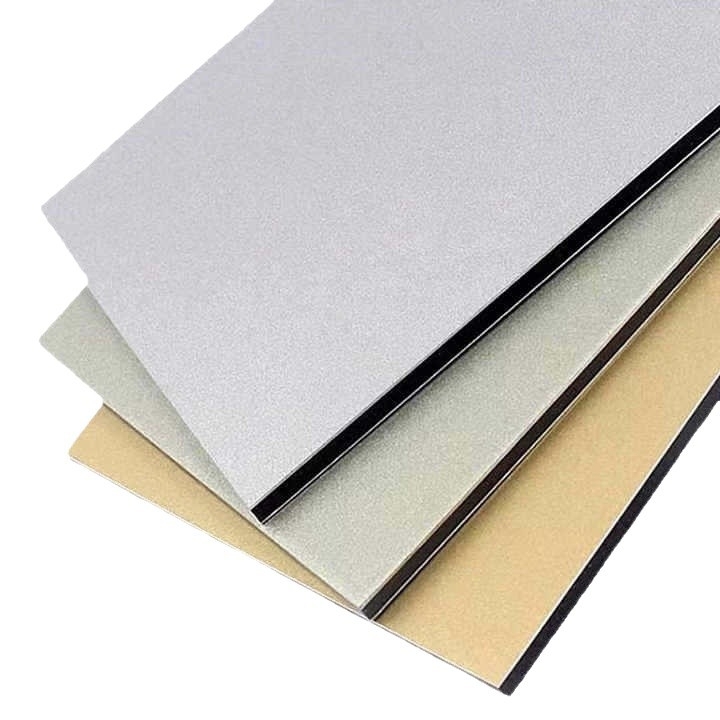
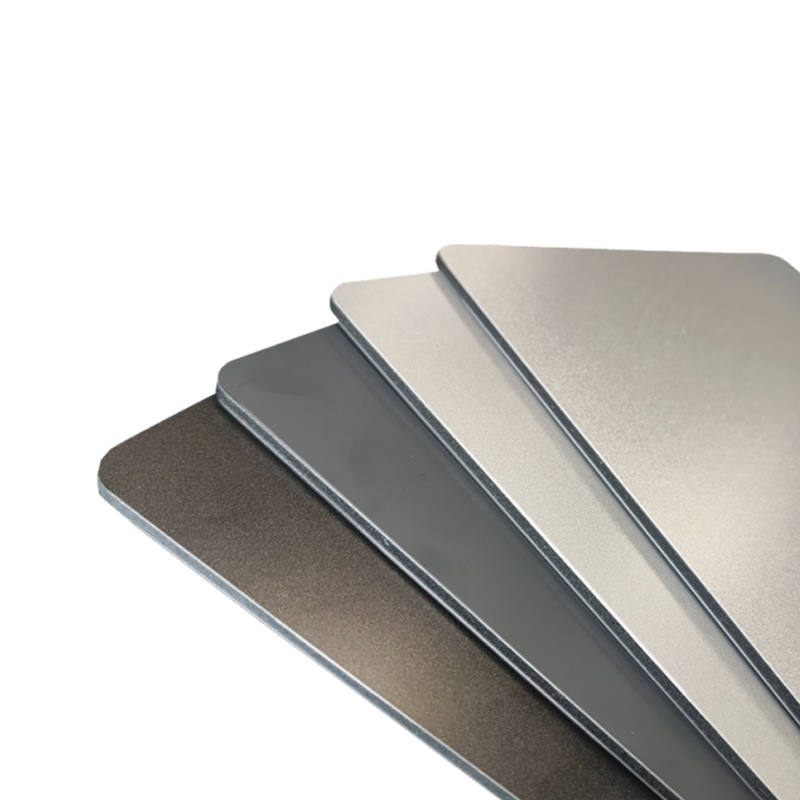
RAL colors prefixed with “900” often represent metallic or effect finishes (e.g., RAL 9006 White Aluminum, RAL 9007 Gray Aluminum). These finishes incorporate metallic pigments that create a reflective, lustrous appearance.
Special considerations for metallic finishes:
- Batch-to-batch consistency: Metallic pigments can vary between production runs more than solid colors. Specify that all panels for a project must come from a single production batch or have verified color uniformity.
- Directional reflectivity: Metallic finishes can appear different depending on viewing angle and lighting conditions. Full-scale mock-ups are essential.
- Coating thickness: Metallic coatings often require tighter process control to achieve a consistent appearance.
4. Gloss Level Selection
Gloss level—typically measured in gloss units (GU) at a 60-degree angle—significantly affects both appearance and performance:
Gloss Level | Gloss Level | Gloss Level |
High Gloss (70+ GU) | Highly reflective, modern appearance | Shows surface imperfections, may create glare, requires meticulous installation |
Semi-Gloss (30–70 GU) | Balanced appearance, widely used | Good durability, hides minor imperfections |
Matte (5–30 GU) | Low reflection, contemporary aesthetic | Increasingly popular for high-end facades, it shows fingerprints and requires careful cleaning |
When selecting gloss level, consider the building’s context: high-gloss panels on a south-facing elevation may create unwanted glare for neighboring buildings, while matte finishes offer a sophisticated look but demand more careful maintenance planning.
5. Environmental Context and Maintenance
The environment in which the facade will exist should influence color selection:
- Coastal or industrial environments: Light to medium colors are often preferred as they show salt residue, air pollution, and water staining less conspicuously than very dark or very light colors.
- High-traffic urban areas: Colors with moderate gloss levels and balanced tones tend to conceal dirt and weathering better than extremes.
- Areas with high UV exposure: Colors with proven UV stability (typically earth tones, grays, and whites) will maintain their appearance longer.
Additionally, consider maintenance accessibility. If the building is tall or has complex geometry, specify colors and finishes that can be cleaned effectively using standard methods.
Practical Steps for Color Selection
For procurement professionals, a structured approach to color selection minimizes risk and ensures alignment between design intent and delivered product.
Step 1: Start with RAL Classic for Standardization
RAL Classic colors are universally available across manufacturers, making them the safest choice for consistency, competitive bidding, and future replacement panels.
Step 2: Request Physical Samples, Not Fan Decks
Fan decks represent printed approximations, not actual coating formulations. Always request full-size physical samples (minimum 12" x 12") produced on the actual substrate with the intended coating system. Evaluate samples under the lighting conditions that will exist on site.
Step 3: Build a Full-Scale Mock-Up
For large or high-visibility projects, a full-scale mock-up of a representative facade section is invaluable. This allows verification of:
- Color consistency across multiple panels
- Gloss uniformity
- Appearance under different lighting conditions (sun, overcast, evening)
- Integration with other building materials (glass, stone, metal)
Step 4: Verify Batch Consistency
When placing orders, specify in writing that all panels must come from the same production batch or that the manufacturer will certify color uniformity across batches using spectrophotometric measurement (ΔE < 1.0 for solid colors, ΔE < 1.5 for metallics).
Step 5: Review Warranty Coverage for Color
Different RAL colors may carry different warranty terms. Some manufacturers exclude certain vibrant or metallic colors from full warranty coverage due to inherent stability limitations. Confirm in writing that your chosen color is covered under the standard warranty.
Common RAL Color Categories and Applications
Category | Example RAL Codes | Typical Applications | Considerations |
Whites and Light Grays | RAL 9016, RAL 9002, RAL 7042 | High-rise facades, medical buildings, residential | Excellent heat reflection, good dirt hiding, and widely available |
Medium Grays | RAL 7016, RAL 7040, RAL 7004 | Office buildings, industrial, mixed-use | Balanced thermal performance, classic appearance |
Dark Grays and Blacks | RAL 7021, RAL 9005, RAL 9011 | Contemporary architecture, accents | High heat absorption; specify A2 core and high-durability coating |
Earth Tones | RAL 8017, RAL 8022, RAL 7032 | Residential, hospitality, warm climates | Good UV stability with inorganic pigments |
Vibrant Colors | RAL 3020, RAL 5010, RAL 2004 | Brand identity, accents, and educational facilities | Higher risk of fading; verify accelerated weathering data |
Metallic Effects | RAL 9006, RAL 9007, RAL 9023 | Premium facades, high-end commercial | Batch consistency critical; require full-scale mock-up |
Conclusion
Choosing the right RAL color for an aluminum composite panel facade is a decision that balances artistic vision with technical rigor. For procurement professionals, the process extends far beyond selecting a shade from a fan deck. It involves understanding heat absorption, coating chemistry, gloss levels, environmental factors, and the critical importance of physical samples and batch consistency.
By approaching color selection with the same diligence applied to structural specifications, you ensure that the finished facade not only looks as intended on day one but continues to perform and maintain its appearance for decades to come. The right color, properly specified, becomes an enduring asset—not a future liability.