Welcome to Vbond
How to Clean and Maintain Your ACP Facade for a “Like-New” Look for Decades
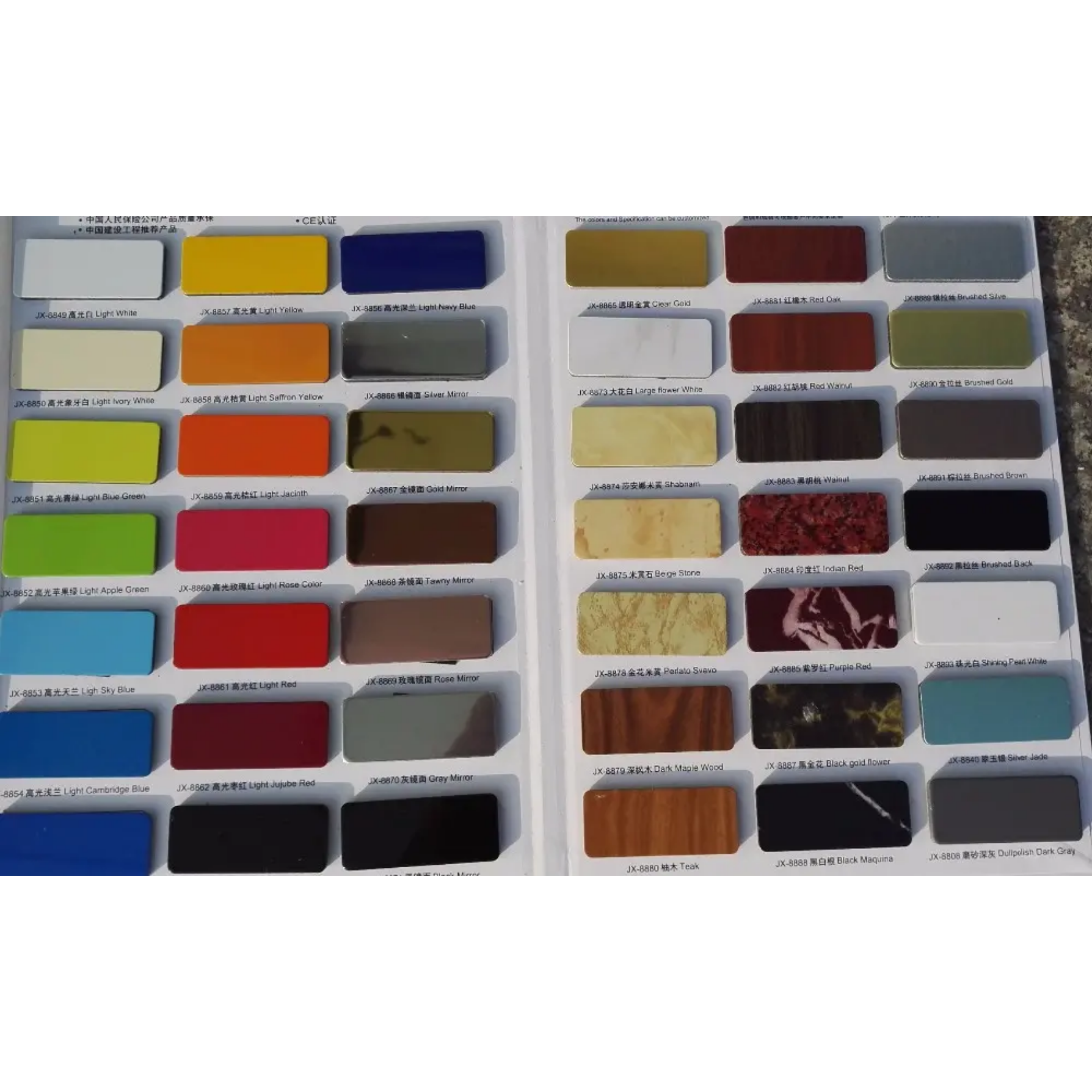
Introduction: Preservation as an Investment
An Aluminum Composite Panel (ACP) facade is a significant architectural investment, celebrated for its sleek aesthetics and renowned durability. However, like any high-performance exterior, its legendary longevity—often 25 to 30 years—is contingent on a fundamental principle: proactive, informed maintenance. Neglect doesn't just dull the appearance; it can compromise the protective coatings, sealant integrity, and ultimately, the weather-tight envelope of your building.
This guide translates manufacturer specifications and industry best practices into a clear, actionable plan. By following these steps, you won't just clean your facade; you'll actively preserve its material integrity, performance, and warranty coverage, ensuring it looks and functions like new for its entire service life.
1. The Core Philosophy: Understanding What You’re Maintaining
To maintain effectively, you must understand what you're protecting.
The PVDF/Paint Coating: This is the first line of defense. A high-quality fluoropolymer (PVDF) coating resists UV fading, chalk, and pollutant adhesion. Its "self-cleaning" property means dirt releases more easily, but it's not magic—it requires proper washing to work.
The Sealant Joints: The critical weather barrier. High-performance silicone sealants at panel joints and perimeters are flexible, keeping water out while allowing for thermal expansion. Their degradation is the most common source of hidden water damage.
The Substructure & Fixings: Though unseen, the aluminum framing and stainless-steel fasteners must remain dry. The entire system relies on the rainscreen principle, where any incidental moisture behind panels is drained and vented out.
Maintenance Goal: Protect the coating, preserve the sealants, and ensure the drainage pathways remain clear.
2. The Essential Cleaning Toolkit: What to Use (and What to Avoid)
Using the wrong tools or chemicals is the fastest way to cause permanent damage.
Recommended Tools & Solutions:
Cleaning Solution: A pH-neutral, mild detergent (e.g., a dedicated building wash soap or a gentle dish soap) diluted in lukewarm water is the universal standard.
For Stubborn Stains: A solution of up to 5% isopropyl alcohol in water can be used for graffiti, tar, or sap. Mineral spirits can be used cautiously for severe grease or oil, but must be rinsed immediately.
Soft Brushes & Sponges: Use natural fiber brushes (horsehair, agave) or soft microfiber sponges. Always test in an inconspicuous area first.
Rinsing Equipment: A garden hose with a spray nozzle set to a gentle fan is ideal. For larger buildings, a low-pressure washer (see specifications below) is necessary.
Strictly Prohibited Items:
Abrasive Tools: Steel wool, Scotch-Brite pads, wire brushes, or harsh scraping tools will scratch and permanently dull the coating.
Acidic or Alkaline Cleaners: Vinegar, hydrochloric acid (muriatic acid), strong degreasers, or oven cleaners will chemically etch and stain the surface, breaking down the coating's protective layer.
High-Pressure Washers: Using a pressure washer incorrectly is the #1 cause of damage. Never use a concentrated jet stream or a zero-degree tip.
3. The Safe & Effective Cleaning Process: A Step-by-Step Protocol
Follow this sequence for safe, streak-free results.
Frequency: For most environments, a comprehensive cleaning every 12-24 months is sufficient. In areas with heavy pollution, industrial fallout, or coastal salt spray, clean every 6-12 months.
Step 1: Preparation & Safety
Read the Warranty: Check your panel manufacturer's and sealant manufacturer's maintenance guidelines. Deviating can void coverage.
Protect Surroundings: Water plants, cover landscaping, and close all windows and doors.
Work from Top to Bottom: Always start cleaning at the top of the facade to prevent dirty runoff from streaking already-cleaned areas below.
Weather: Clean on a cool, overcast day. Direct hot sun will cause the soap solution to dry too quickly, creating streaks.
Step 2: The Gentle Pre-Rinse
Use a garden hose or low-pressure washer to rinse loose dirt and debris from the surface. This prevents you from grinding dirt into the coating during washing.
Step 3: Application & Agitation
Apply your mild detergent solution using a soft brush or low-pressure applicator.
Gently agitate the surface in a circular motion for areas with adhered dirt. Do not apply excessive pressure.
For general soiling, often the detergent solution applied and rinsed is sufficient without heavy scrubbing.
Step 4: The Critical Rinse
Thoroughly and completely rinse all soap residue from the facade using copious amounts of clean water**.
Soap left to dry is a primary cause of streaks and haze. Ensure all joints and reveals are fully flushed.
Step 5: Special Case: Graffiti & Stubborn Stains
Act Quickly. The sooner graffiti is removed, the better.
Test your chosen solvent (isopropyl alcohol, mineral spirits) in a hidden corner.
Apply solvent to a clean, white cloth and gently dab—do not rub aggressively—at the stain, working from the outside in.
Rinse the area thoroughly immediately after the stain is removed.
4. The Pressure Washer Paradox: How to Use It Safely
A pressure washer is a powerful tool that must be respected.
Maximum Pressure: Do not exceed 1,000 PSI (70 bar). For most ACP cleaning, 500-800 PSI is more than adequate.
Nozzle Type: Use a 25° or 40° wide fan tip nozzle only. Never use a zero-degree (pinpoint) or 15-degree tip.
Spray Distance: Maintain a minimum distance of 12-18 inches (30-45 cm) from the panel surface.
Spray Angle: Never spray directly into panel joints or seams. Always spray at a parallel or oblique angle to the facade to prevent forcing water behind the panels and damaging the sealants.
5. The Annual Inspection: Your Preventative Defense
Once a year, perform a detailed visual inspection. Use binoculars or a drone for high areas.
Checklist:
1. Sealant Joints: Look for cracking, peeling, shrinkage, or loss of adhesion. This is the most critical item.
2. Panel Surface: Check for any unusual staining, coating discoloration, or physical damage (dents, deep scratches).
3. Fasteners & Trim: Ensure corner caps, flashings, and trim pieces are securely attached and not loose.
4. Drainage Weeps: Ensure the small openings at the bottom of the rainscreen cavity are clear of insect nests or debris.
5. Adjacent Materials: Check that caulking and flashings at interfaces with windows, roofs, or other materials are intact.
6. Proactive Maintenance: The Key to Decades of Performance
Sealant Rejuvenation: Even the best sealants have a finite life (typically 10-20 years). Budget for a professional resealing project when inspection shows early signs of failure. This is a specialized task requiring proper surface prep and specific sealants.
Immediate Repair: Address any impact damage or deep scratches promptly. Small areas can be touched up with manufacturer-approved touch-up paint kits to prevent underlying aluminum from being exposed.
Professional vs. DIY: For ground-level, small areas, informed DIY is possible. For multi-story buildings, heavy soiling, or sealant work, hire a professional facade maintenance company with specific experience in ACP systems. They have the insurance, equipment, and expertise to do the job safely and correctly.
Conclusion: A Discipline, Not a Chore
Maintaining an ACP facade is not about arduous scrubbing; it's about consistent, gentle care and vigilant observation. By adopting the routine of an annual inspection and a biennial cleaning using the correct methods, you actively defend your investment.
This disciplined approach prevents small issues from becoming catastrophic failures, maximizes the facade's aesthetic appeal, and ensures the building's protective envelope remains intact for decades. Ultimately, a well-maintained ACP facade is a testament to a building's enduring quality and value.
Your Next Step: Locate the original project specifications or contact your building manager/facility team to find the specific ACP product name and sealant used on your facade. This information is crucial for obtaining the correct maintenance guidelines and materials.






