Welcome to Vbond
How to Ensure Your Aluminum Composite Panel Meets Local Building Codes
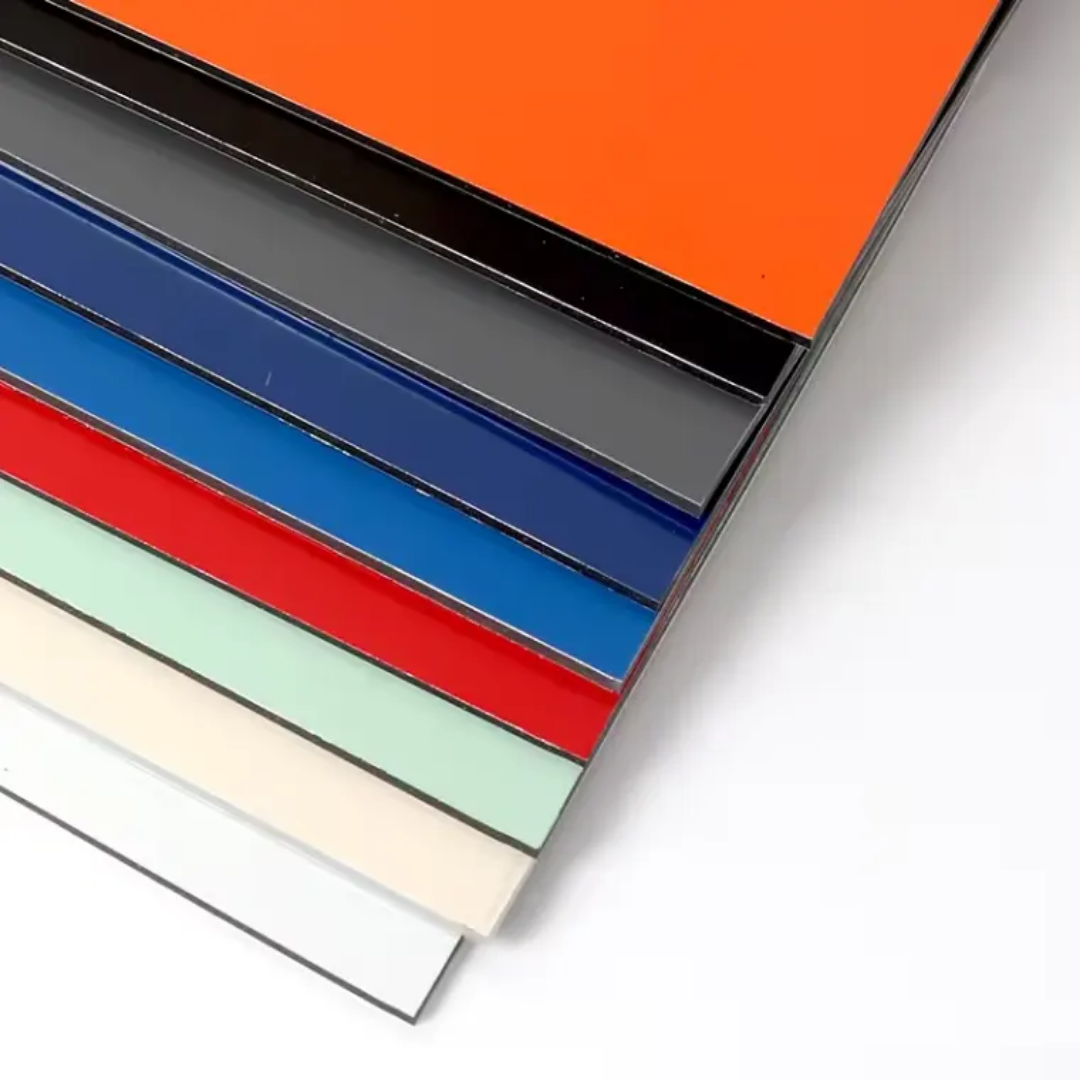
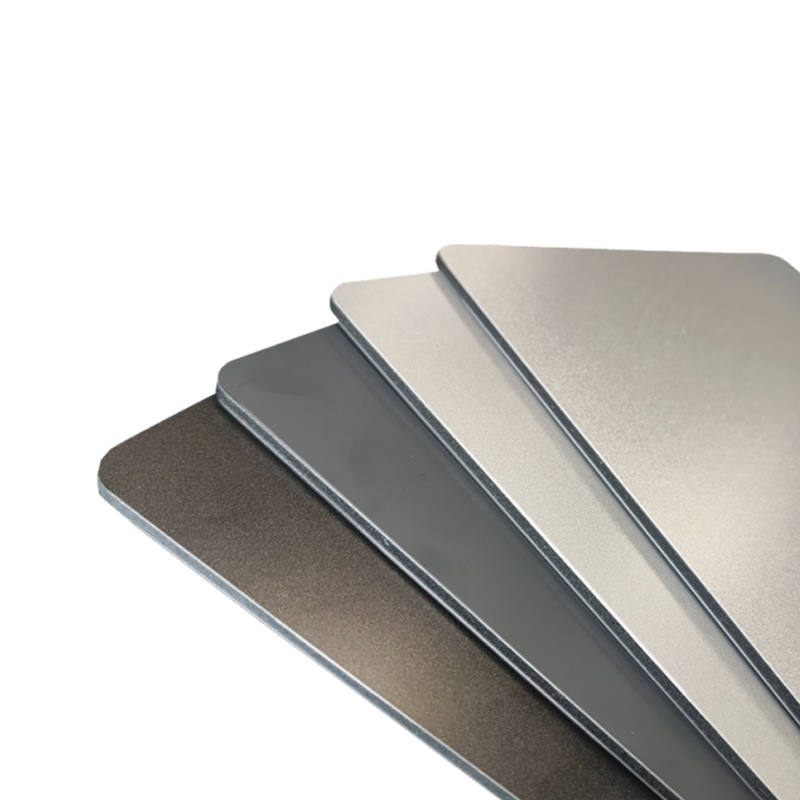
In the world of modern construction, Aluminum Composite Panels (ACP) have become the go-to material for architects and builders seeking lightweight durability and aesthetic flexibility. However, for professional buyers, contractors, and facade engineers, the aesthetic appeal of a building is secondary to one critical factor: code compliance.
With high-profile fire safety incidents in the past decade, local building codes across North America, Europe, the Middle East, and Asia have become significantly stricter. Ensuring that your Aluminum Composite Panel (ACP) meets these regulations is not just about passing an inspection; it is about liability, insurance costs, and the safety of the building’s occupants.
Here is a step-by-step guide to guaranteeing your ACP selection aligns with local building codes.
1. Understand the Fire Rating Hierarchy
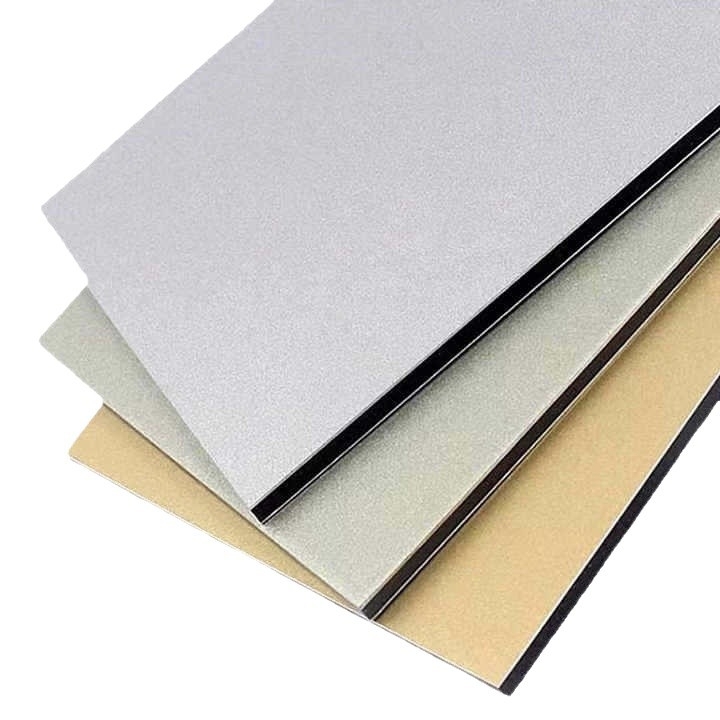
The most common point of failure regarding building code compliance is the core material of the panel. ACPs typically consist of two aluminum sheets sandwiching a core. Local codes categorize these cores by their reaction to fire:
Polyethylene (PE) Core: Standard core with high flammability. In many jurisdictions, PE core is now restricted to low-rise buildings (typically under 40 feet) or banned entirely for exterior applications.
Fire-Retardant (FR) Core: Often a mineral-filled core. While better than PE, FR panels may not meet the strictest requirements for high-rise structures.
A2 Grade (Non-Combustible): This is the gold standard for strict building codes. An A2 Aluminum Composite Panel features a core composed of approximately 90% non-combustible mineral material. It meets the criteria for "limited combustibility" required by the International Building Code (IBC) and NFPA 285 in the US, as well as EN 13501-1 (Class A2-s1, d0) in Europe.
Pro Tip: If your project involves a high-rise building (over 75 feet or 23 meters), verify whether the code mandates an A2 or non-combustible classification. Do not rely on marketing terms like "FR" without seeing the specific test reports.
2. Verify Critical Test Reports (Not Just Data Sheets)
Reputable manufacturers provide test reports, but as a professional buyer, you must know which tests to ask for. Never accept a generic brochure as proof of compliance. Demand documentation for the specific product batch and thickness you intend to purchase.
Key certifications to look for include:
NFPA 285: In the United States, this is the standard fire test for exterior wall assemblies. Passing this test is mandatory for most commercial buildings over two stories.
ASTM E84 / UL 723: This measures surface burning characteristics. For A2-rated products, look for a Flame Spread Index of 0–25 and a Smoke Developed Index of 0–450.
EN 13501-1: For European projects, specifically seek A2-s1, d0. The "s1" indicates minimal smoke production, and "d0" indicates no flaming droplets—critical for life safety.
ISO 5660 (Cone Calorimeter): This test measures heat release rates. A2 panels typically show a total heat release well below the thresholds required for non-combustibility.
3. Assess the System, Not Just the Panel
A common oversight among procurement specialists is focusing solely on the panel itself while ignoring the system.
Building codes evaluate the wall assembly, not just the individual component. This includes:
Insulation: Is the insulation behind the ACP also non-combustible (e.g., mineral wool) or does it require a thermal barrier?
Air Gap: Does the installation include a ventilated cavity? Many codes require fire blocking (vertical and horizontal barriers) within the cavity to prevent flame propagation.
Attachment Systems: Are the clips, rails, and fasteners compatible with the thermal movement and fire rating?
When ordering, ask the supplier if they provide assembly-specific engineering judgments. A manufacturer that can provide tested assembly details (shop drawings showing how their panel interacts with the substructure) saves you significant time during the permitting phase.
4. Verify Third-Party Certification
Relying on the manufacturer’s in-house "self-certification" is a risk you cannot afford. To ensure genuine compliance, look for third-party verification.
Intertek (ETL) or Underwriters Laboratories (UL): In North America, ensure the product has a UL label that certifies the specific core material meets the claimed fire rating.
Factory Audits: Confirm that the manufacturer undergoes unannounced factory audits (e.g., ISO 9001) and that their testing certifications are current. Counterfeit or "grey market" panels often use outdated or falsified test reports.
5. Engage Early with Local Authorities
Local building codes can vary significantly by city or municipality. For example, New York City, Chicago, and Miami-Dade have stricter requirements than the baseline IBC due to their unique environmental risks (hurricanes, high-rises).
Miami-Dade County (NOA): If your project is in Florida or a coastal region, the product must have a Notice of Acceptance (NOA). This is the strictest approval for high-velocity hurricane zones (HVHZ), testing for both wind resistance and impact resistance.
Local Amendments: Always submit your proposed panel and attachment system to the local building department for pre-approval before full procurement. This eliminates the risk of last-minute material rejection.
6. Prioritize Supplier Transparency and Warranties
A professional supplier should offer:
Material Traceability: Batch numbers linking your purchase to the specific test reports.
Warranty: Look for paint warranties (PVDF vs. Polyester) and structural warranties. A supplier who offers a comprehensive 20-year finish warranty is usually confident in the product’s long-term durability.
Technical Support: Choose manufacturers who employ in-house engineers or sales teams that understand the local code landscape. They can assist with the required submittal packages, which typically include:
Product data sheets
Fire test reports
Shop drawings and installation manuals
Engineering calculations for wind load
Conclusion
For professional buyers, the cost of non-compliance is catastrophic. It can lead to stop-work orders, costly remediation (as seen in numerous building recladding projects globally), and increased insurance premiums.
By prioritizing A2 fire-rated cores, demanding verified third-party test reports (NFPA 285, EN 13501 A2-s1,d0), and ensuring the entire wall assembly is engineered for compliance, you protect your project from legal liability and ensure the safety of the structure for decades to come.
Always remember: the cheapest panel on the market is rarely the one that meets the code. Invest in verification, and partner with manufacturers who treat compliance as a non-negotiable standard.