Welcome to Vbond
How to Get Accurate ACP Samples and Why They Are Non-Negotiable
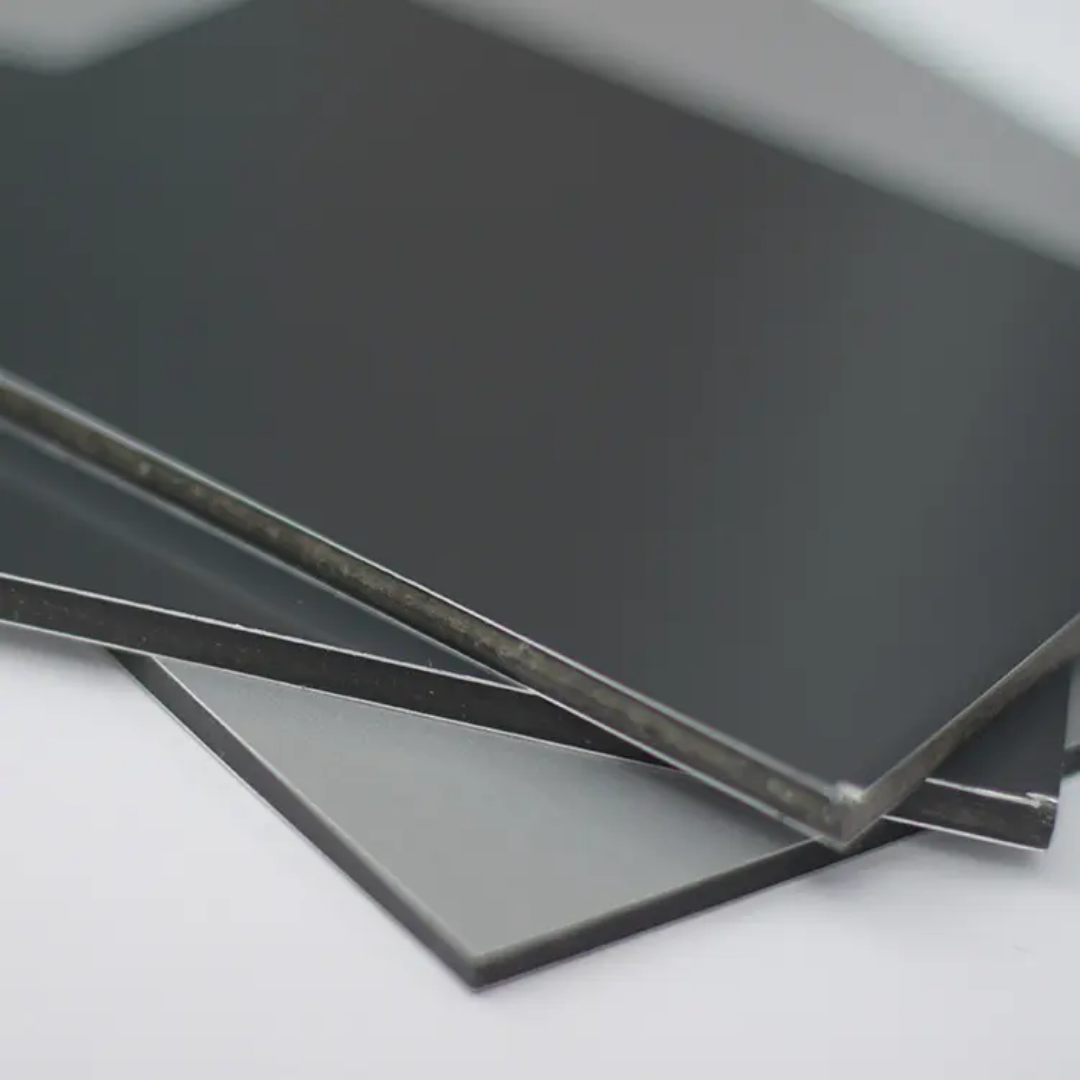
In the specification of Aluminum Composite Panels (ACP), few steps are as critical—and as frequently underestimated—as the sampling process. The sample is not merely a color swatch; it is the definitive physical benchmark against which all future production will be judged. Relying on digital images or generic chips is a high-stakes gamble. This guide outlines the professional protocol for obtaining accurate, representative ACP samples and explains why this step is an absolute non-negotiable for any successful project.
Why Accurate Samples are Non-Negotiable: The High Cost of Assumption
The risks of proceeding without a vetted, approved sample are severe and financially consequential:
1. The Digital Deception:** Screen colors (RGB) are created with light, while physical pigments (used in coatings) absorb and reflect light. A color on a monitor is fundamentally incapable of matching real-world material. Relying on digital images guarantees variation.
2. Metamersim: A phenomenon where two samples match under one light source (e.g., fluorescent office lighting) but clash under another (e.g., natural daylight). Only a physical sample can be evaluated in the actual project environment.
3. Batch-to-Batch Variability: Even with perfect specifications, slight variations occur between production runs. Your approved sample serves as the legal and qualitative baseline for acceptance, protecting you from being forced to accept off-color panels.
4. Finish & Texture Evaluation: The perceived color is profoundly affected by the coating's gloss level and texture (e.g., metallic sparkle, matte feel). This can only be assessed in person.
5. System Integrity Check: A sample allows you to verify core composition, skin thickness, and overall panel rigidity, confirming you are receiving the specified product grade.
The Professional's Guide to Obtaining Accurate ACP Samples
Follow this step-by-step process to ensure your sample is a true and actionable representation.
Step 1: Define and Document Your Specification
Before requesting a sample, be precise. Your request should specify:
Product Code/Name: Exact manufacturer reference.
Coating Type: e.g., PVDF (Kynar 500®), FEVE, PE.
Color Code & Name: From the manufacturer's official chart.
Finish: Gloss level (e.g., 30%), metallic, sand-blasted, etc.
Core Type: Fire-rated mineral core (e.g., A2), FR, or specific designation.
Panel Thickness: e.g., 4mm total.
Step 2: Request a "Production Sample" or "Standard Panel"
This is the most critical terminology. You must insist on:
A Sample Cut from a Full-Size Panel: Request a sample (min. 300mm x 300mm / 12"x12") that is sheared from a production-run panel, not a small, pre-made "chip." This ensures the coating has undergone the correct curing process and the edges show true material composition.
Material Certification: The sample should be accompanied by its corresponding coating batch number** and, ideally, a reference to the mill certificate for the aluminum. This establishes traceability.
Step 3: Conduct Rigorous On-Site Evaluation
Once received, evaluate the sample methodically:
1. Visual Inspection in Situ: View the sample on the project site, held in the intended orientation (vertical). Evaluate it under multiple light conditions—morning, midday, and afternoon sun, as well as under artificial light at night.
2. Comparative Assessment: If matching other materials (metal trim, windows), place the sample directly adjacent to them on site.
3. Physical Verification: Check for stated thickness with calipers, examine the cut edge for core consistency, and feel the finish.
Step 4: Formalize Approval with a "Golden Sample"
Mark and Archive: Once satisfied, indelibly mark the chosen sample (on the back) as the "Approved Golden Sample." Sign and date it.
Official Documentation: Send a formal written approval to the supplier, citing the unique batch/reference numbers from the sample. State that this sample serves as the standard for color, gloss, and texture for all production.
Retain Control: Keep the Golden Sample in a secure, UV-protected location. Do not send the only copy to the factory.
Red Flags During the Sampling Process
Supplier Hesitation: A reluctance to provide a sizable production sample is a major warning sign.
"Similar To" Samples: Samples that are "close" or "equivalent" to your requested color are unacceptable.
No Batch Traceability: Samples without identifying codes offer no quality control leverage.
Unrealistic Promises: Claims of "perfect digital color matching" without a physical sample are fundamentally misleading.
Conclusion: The Sample is Your First Line of Defense
In the ACP specification, the approved physical sample is the cornerstone of quality assurance. It transforms subjective expectation into an objective, contractual benchmark. Treating this step as a mere formality invites costly disputes, project delays, and aesthetic failures.
The protocol is simple but non-negotiable: Specify precisely, demand a production-cut sample, evaluate it under real-world conditions, and formalize its approval. This disciplined approach separates professional projects from problematic ones, ensuring the vision on your screen becomes the reality on your facade without expensive and disappointing surprises.






