Welcome to Vbond
How to Insure a High-Value Shipment of Aluminum Composite Panels
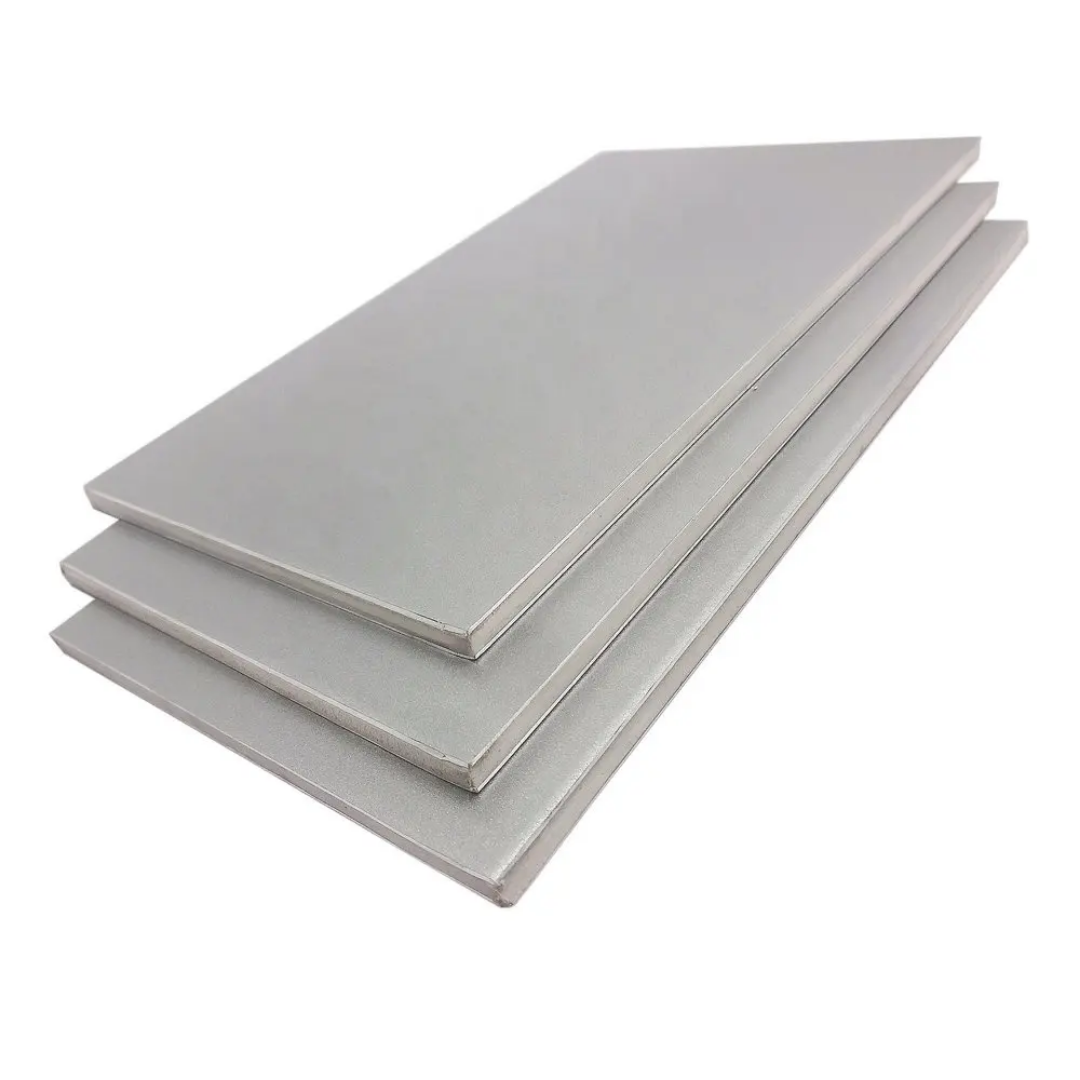
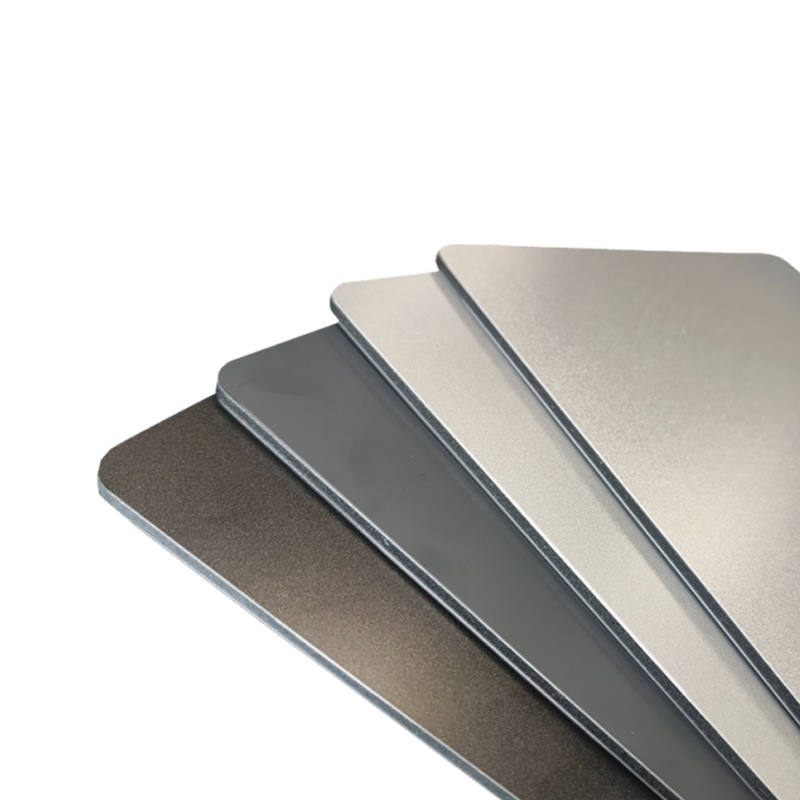
For procurement professionals, the moment a container of aluminum composite panels (ACPs) leaves the factory, a complex chain of risk begins. Between the manufacturer‘s loading dock and the jobsite, your investment faces threats that can transform a profitable project into a financial loss: rough seas that snap steel strapping, forklifts that puncture protective film, condensation that stains high-gloss finishes, and customs delays that leave panels exposed to the elements for weeks.
Unlike bulk commodities, ACPs are surface-sensitive, dimensionally critical, and aesthetically demanding. A scratched panel is not a functional loss—it is a total loss for a visible facade. Yet standard carrier liability covers as little as $0.50 per kilogram, leaving the vast majority of your shipment‘s value exposed.
This guide provides a comprehensive framework for ensuring high-value ACP shipments, from understanding marine cargo policies to calculating insured value, managing claims, and coordinating with freight partners.
1. Why ACP Shipments Demand Special Insurance Attention
The global aluminum composite panels market was valued at approximately $6.87 billion in 2025 and is projected to reach $7.39 billion in 2026, reflecting strong growth driven by commercial construction, urban infrastructure, and demand for aesthetic cladding solutions[reference:0]. As more high-value ACP shipments cross oceans, the insurance landscape has become both more critical and more complex.
ACP shipments present unique risk characteristics that distinguish them from standard cargo:
Surface Sensitivity: ACPs are finished with PVDF or polyester coatings that can be permanently marred by scratching, abrasion, or adhesive residue. Studies show that over 30% of quality complaints in metal fabrication relate to surface defects caused during transport. Unlike functional components, where minor scratches may be acceptable, facade panels require pristine surfaces—any visible defect can render a panel unusable for its intended application.
Edge Vulnerability: The core-to-skin bond at panel edges is susceptible to impact damage. Forklift tines, shifting pallets, or improper stacking can cause edge delamination that compromises the entire panel.
Moisture Sensitivity: Condensation inside containers—particularly on long ocean voyages through varying climate zones—can cause water staining, oxidation, and in extreme cases, core degradation. Trapped humidity or sudden temperature changes can cause oxidation, water stains, and corrosion during sea freight or winter transport.
High Unit Value: A single container of premium PVDF-coated ACPs can easily exceed $50,000–$100,000 in value. With high-value projects and movements, specialized insurance arrangements may be necessary for coverage above standard thresholds.
Carrier Liability Gaps: Under most ocean bills of lading, carrier liability is limited to approximately $500 per package or $0.50 per pound—a fraction of the actual ACP value. For a $100,000 container, this leaves $99,500+ of uninsured exposure.
2. Understanding Marine Cargo Insurance Policies
Marine cargo insurance protects goods against loss or damage during transit by sea, air, or land[reference:4]. The global standard for coverage is defined by the Institute Cargo Clauses (ICC) , which establish three levels of protection.
ICC (A) — “All Risks” (Broadest Protection)
This provides the widest coverage, insuring against all risks of loss or damage except specifically excluded perils[reference:5]. For ACP shipments, this is the recommended standard.
Covered: Rough handling, scratching, denting, moisture damage, theft, pilferage, non-delivery, vessel accidents, and most physical damage during transit.
Exclusions: Inherent vice (defects natural to the goods themselves), insufficient or improper packaging, willful misconduct, delay, and war/ strikes (unless additional coverage is purchased).
Premium Range:** 0.5–1.0% of insured value.
ICC (B) — Named Perils (Moderate Coverage)
Covers a specified list of perils, including fire, explosion, vessel sinking, stranding, collision, and jettison.
Not Covered: Theft, pilferage, rough handling, scratching, or damage not caused by a named peril.
For ACPs, which are most frequently damaged by handling and abrasion rather than catastrophic vessel events, ICC (B) leaves the most common risks uncovered. Not recommended for finished ACP shipments.
ICC (C) — Restricted Coverage (Basic)
Limited to major casualties such as stranding, sinking, fire, and collision[reference:11]. Does not cover theft, handling damage, or moisture. Premiums range from 0.1–0.3% of insured value. Insufficient for finished ACPs.
Open Cover Policies
For organizations that ship ACPs regularly, an open cover policy provides automatic coverage for all shipments within agreed parameters, eliminating the need for separate declarations per shipment[reference:13]. This reduces administrative burden and ensures no shipment is inadvertently left uninsured.
3. Specialized Coverage Options
Beyond the standard ICC clauses, ACP importers should consider additional coverage extensions:
Coverage Extension | Purpose |
Theft, Pilferage, Non-Delivery (TPND) | Covers loss from theft or mysterious disappearance—critical for high-value ACPs |
Fresh Water Damage | Protects against condensation and rain damage during transit |
Rough Handling | Explicitly covers scratching, denting, and abrasion from improper loading/unloading |
War and Strikes | Essential for shipments transiting high-risk regions (e.g., Red Sea, certain Middle Eastern ports) |
Storage Extension | Extends coverage beyond standard “warehouse-to-warehouse” terms for extended storage periods |
For 2026, marine risks have evolved to include climate-driven storms disrupting routes, piracy in key chokepoints, cyber attacks on port systems, and supply chain bottlenecks from labor issues[reference:14]. Forward-looking procurement strategies should address these emerging exposures.
4. Calculating Total Insured Value (TIV)
Underinsurance is one of the most common and costly mistakes in cargo insurance. When an insured fails to insure the full value of a shipment, they effectively become a “co-insurer,” retaining the risk of loss for the undeclared portion.
The industry-standard formula for Total Insured Value (TIV) is:
Total Insured Value = (Commercial Invoice Value + Freight Charges) × 1.1 + Customs & Duties Fees
Breaking Down the Components:
- Commercial Invoice Value: The actual price paid to the ACP supplier (FOB or EXW basis).
- Freight Charges: Total cost of ocean freight, including origin and destination charges (excluding detention and demurrage).
- 10% Uplift: Added to cover market price fluctuations, claim preparation costs, legal fees, and other unforeseen administrative expenses between purchase and claim resolution. This additional 10% is intended to address exceptional claim-related expenses beyond those specifically defined in the policy.
- Customs & Duties Fees: Any applicable import duties, taxes, and filing fees.
Example Calculation for a High-Value ACP Shipment:
Component | Amount |
Commercial Invoice Value (10,000 m² at $18/m²) | $180,000 |
Freight Charges (3 × 40ft containers) | $9,000 |
Subtotal (CI + Freight) | $189,000 |
10% Uplift | $18,900 |
Customs & Duties (estimated 6% duty + 13% VAT) | $34,200 |
Total Insured Value | $242,100 |
The Co-Insurance Penalty
If an importer insures only $180,000 (the commercial invoice value) instead of the full $242,100 TIV, they are insuring only approximately 74% of the true value. In the event of a total loss, the insurer would pay only 74% of the claim—the insured absorbs the remaining 26% as a co-insurance penalty.
For partial losses, the penalty is equally severe: a $50,000 repair claim would yield only $37,000 in recovery if the cargo was underinsured by 26%. Ensuring full TIV is not optional—it is financial protection.
5. The Risks Your ACP Shipment Faces
Understanding the specific perils that ACP shipments encounter helps justify the investment in comprehensive coverage.
Physical Damage
Damage Type | Cause | Consequence |
Scratches and abrasions | Friction between stacked panels or contact with hard surfaces; loosely packed panels sliding during transport | Visible surface defects; panel may be rejected for facade use |
Dents and corner deformation | Shock or point loading; forklift impacts; sudden braking generating 50–100g forces | Loss of flatness; delamination risk; installation difficulties |
Water spots and oxidation | Condensation inside containers; temperature cycling during sea freight | Permanent discoloration; potential coating degradation |
Protective film damage | Protective film damage | Surface contamination; additional cleaning labor |
Theft and Pilferage
High-value ACP shipments are attractive targets for theft, particularly at intermediate storage facilities or during transshipment. Standard carrier liability does not cover theft—it must be insured separately through TPND coverage.
Delay and Demurrage
While insurance typically does not cover pure economic losses from delay, it may cover storage and demurrage costs incurred as a direct result of an insured peril (e.g., container damage requiring survey).
6. The Claims Process: What to Do When Damage Occurs
Even with the best insurance, a poorly managed claim can result in denial or reduced settlement. The following steps are essential:
Immediate Notification (Within 24–48 Hours)
Notify your insurer and carrier immediately upon discovery of loss or damage. 2025 rule updates emphasize notification within 24–48 hours of the incident. Delayed notification is a leading cause of claim denial.
Preserve Evidence
- Photograph everything: High-resolution images of damaged panels, packaging condition, container interior, and overall shipment state. Timestamp all photos.
- Retain packaging: Do not discard damaged pallets, protective film, or strapping—these are critical evidence of handling conditions.
- Document exception remarks: Any damage noted on the delivery receipt (POD) should be clearly described. Exception remarks are required to trigger surveyor visits.
Engage an Independent Surveyor
The insurer will typically appoint a surveyor to assess damage. For high-value ACP shipments, consider engaging an independent surveyor early to provide unbiased documentation.
Required Documentation
Complete documentation accelerates claims processing by up to 50%. Essential documents include:
Document | Purpose |
Bill of Lading | Prove the shipment contract and carrier responsibility |
Commercial Invoice | Establishes cargo value and description |
Packing List | Itemizes contents, weights, and packaging |
Insurance Policy/Certificate | Confirms coverage terms |
Surveyor Report | Independent damage assessment |
Exception Remarks | Notes discrepancies at delivery |
Photos and Videos | Visual proof of condition at delivery |
Repair/Replacement Quotes | Quantifies financial loss |
Claims Denial Prevention
Claims denial rates hover at approximately 35% due to preparation gaps[reference:35]. Common rejection reasons include missing bill of lading, incomplete value proof, late notification (beyond 7 days per 2025 policies), no survey report, and poor quality photos.
7. The Supplier‘s Role in Insurability
Your ACP manufacturer’s quality and compliance directly affect your ability to insure shipments and recover claims.
Documentation Requirements
The supplier must provide complete, accurate documentation for customs clearance and insurance purposes:
- Commercial invoice with accurate HS codes
- Packing list detailing dimensions, weights, and pallet counts
- Bill of lading issued by the carrier
- Certificate of origin (for tariff preference claims)
- Test reports for fire rating and coating performance
Quality and Compliance Risks
Non-compliant ACPs present significant liability. ACP panels with a polymer core are combustible, with higher polymer content linked to greater potential to propagate and spread fire up building facades. For insurance purposes, specifying A2 fire-rated mineral-core panels may reduce risk profiles and improve insurability compared to standard PE-core panels.
For procurement professionals, ensuring that suppliers provide documented compliance with local building codes and fire safety standards is essential not only for regulatory approval but also for maintaining valid insurance coverage.
Packaging Standards
Inadequate packaging is a standard exclusion in marine cargo policies. Procurement professionals should specify:
- UV-resistant protective film (minimum 60–80 microns)
- Edge protectors and corner guards on all pallets
- Anti-moisture paper between layers
- ISPM-15 compliant heat-treated pallets
- Clear loading diagrams
8. Trade Policy Considerations for 2026
Tariffs and trade policy continue to shape metal markets and import costs. As of 2026, certain aluminum products face elevated tariff pressures, with some jurisdictions maintaining 50% tariff frameworks on certain imports[reference:39]. Imported material often carries added costs that affect baseline pricing.
For insurance purposes, this means:
- Insured value must reflect total landed cost, including applicable duties
- Tariff changes between order and arrival create valuation discrepancies—the 10% uplift helps absorb these fluctuations
- Sourcing decisions should consider both tariff exposure and insurability of the supply route
9. Best Practices for Procurement Professionals
Pre-Shipment Checklist
- Confirm ICC (A) “All Risks” coverage with TPND and fresh water damage extensions
- Calculate TIV accurately using CI + Freight + 10% + Duties formula
- Verify supplier packaging meets insurance requirements (edge protectors, moisture barrier, ISPM-15 pallets)
- Obtain and review the insurance policy certificate before shipment
- Confirm notification procedures and 24-hour contact numbers
During Transit
- Track vessel position and estimated arrival date
- Pre-arrange customs clearance to avoid port delays that extend risk exposure
- Coordinate with the receiving warehouse to ensure inspection capacity upon arrival
At Receiving
- Inspect before signing the delivery receipt
- Note any damage or packaging compromise as “exception remarks” on POD
- Photograph all damage before moving panels from the delivery area
- [Notify insurer within 24 hours if damage is discovered
- Retain all packaging and damaged panels until the surveyor releases them
10. Conclusion
For procurement professionals sourcing high-value aluminum composite panels, cargo insurance is not an administrative detail—it is a strategic risk management tool. The gap between carrier liability limits and actual ACP value can exceed $99,000 per container. Without comprehensive coverage, a single damaged shipment can erase years of sourcing savings.
The recommended approach for ACP shipments is ICC (A) “All Risks” coverage with theft, moisture, and rough handling extensions, insured to full TIV (CIF + 10% + duties). This ensures that whether your panels arrive scratched from rough handling, water-stained from condensation, or not at all, your investment is protected.
By understanding the specific risks ACPs face—surface sensitivity, edge vulnerability, moisture damage, and high unit value—and by working with suppliers who maintain rigorous quality and packaging standards, procurement professionals can secure coverage that delivers true peace of mind from factory to facade.