Welcome to Vbond
How to Integrate LED Lighting Seamlessly into an ACP Facade System
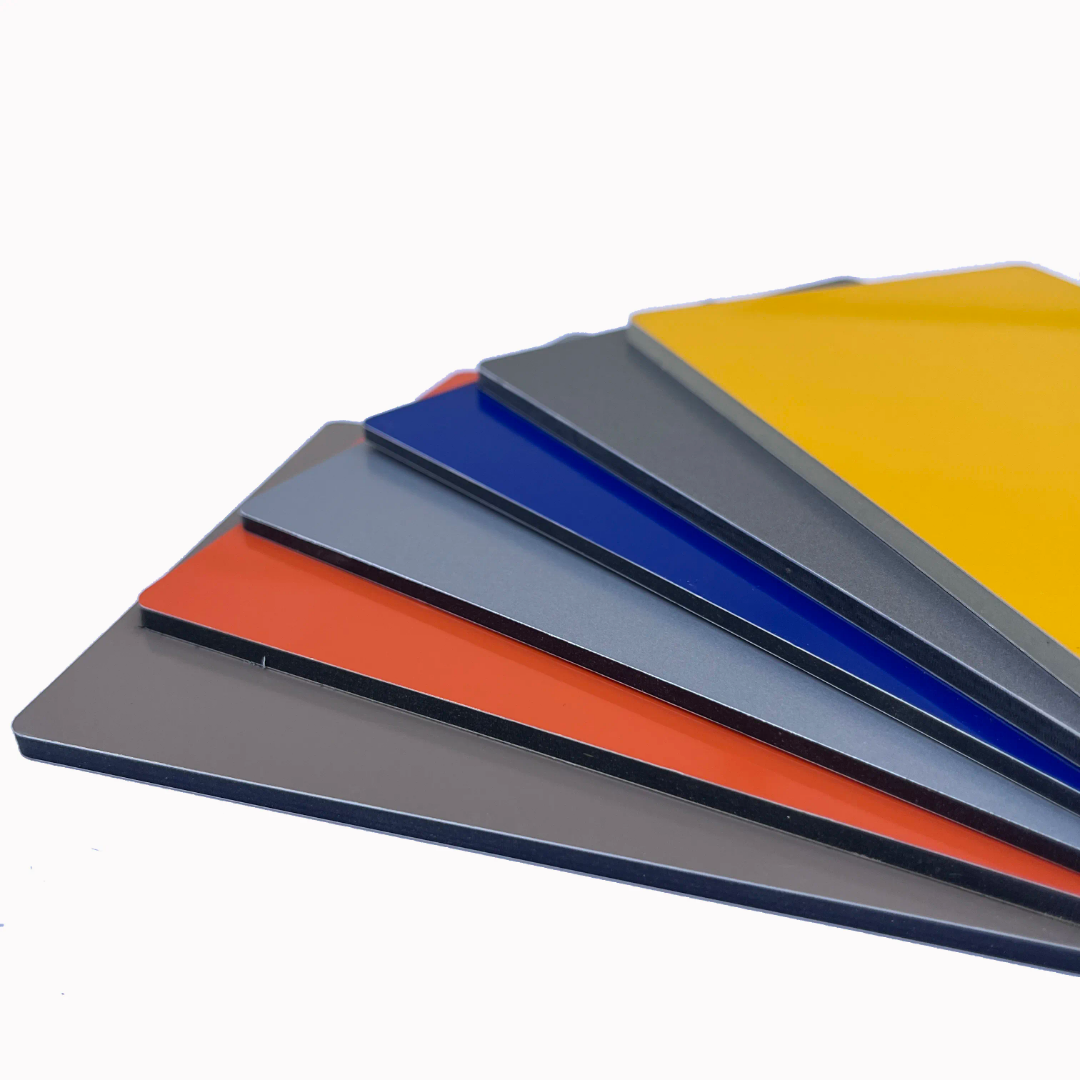
In contemporary architecture, the building facade is no longer a static skin. It has evolved into a dynamic interface capable of communication, branding, and artistic expression. At the heart of this transformation lies the marriage of two versatile technologies: Aluminium Composite Panels (ACP) and LED lighting.
When executed properly, LED-integrated ACP facades transform buildings into landmarks. By day, the ACP provides a clean, modern aesthetic. By night, the building becomes a canvas of light—shifting colors, revealing patterns, and engaging the public. However, achieving this seamless integration requires meticulous planning, technical precision, and an understanding of how these materials interact.
This article provides a comprehensive technical guide to integrating LED lighting into ACP facade systems, ensuring your illuminated designs are visually stunning, durable, and maintainable.
Why ACP is the Ideal Substrate for LED Integration
Aluminium Composite Panels possess specific characteristics that make them exceptionally suited to lighting integration.
- Lightweight Strength: ACP's sandwich construction creates a high strength-to-weight ratio, allowing facades to support integrated lighting systems without excessive structural loading.
- Fabrication Flexibility: ACP can be cut, routed, and folded with precision, enabling the creation of recesses, channels, and mounting points that accept LED profiles seamlessly.
- Smooth Surface: The uniform finish provides an excellent backdrop for both direct and indirect lighting, ensuring light reflects evenly without surface distortion.
- Weather Resistance: High-quality PVDF-coated ACP resists UV degradation and corrosion, protecting the underlying lighting infrastructure from environmental attack.
- Thermal Management: Aluminum's natural thermal conductivity helps dissipate heat generated by LED systems, potentially extending fixture life when properly designed.
Understanding the Technical Requirements
Before beginning design, several technical fundamentals must be addressed.
Electrical Planning
LED integration requires early coordination with electrical engineers. Key considerations include:
- Power requirements: Calculating total load for LED strips, modules, or pixels
- Driver placement: Locating drivers and power supplies in accessible but weather-protected positions
- Voltage drop management: Planning cable runs to maintain consistent illumination across long facades
- Control systems: Determining how lighting will be controlled (DMX, DALI, wireless) and where controllers reside
Weatherproofing
Exterior LED installations face rain, humidity, temperature extremes, and UV exposure. All lighting components must carry appropriate Ingress Protection (IP) ratings—typically IP65 or higher for exposed locations. Cable entries into panels must be sealed to prevent moisture tracking back into the facade assembly.
Maintenance Access
LEDs have long lifespans, but they are not immortal. Drivers fail, individual pixels die, and control systems require updates. Design must incorporate access provisions:
- Hinged panels concealing drivers
- Removable sections allowing fixture replacement
- Wiring routes that permit re-pulling without facade dismantling
Design Strategies for Seamless LED Integration
The hallmark of excellent integration is that the lighting appears to emerge from the architecture itself, not from attached fixtures. Here are proven strategies for achieving this effect.
1. Backlit Panel Systems
One of the most dramatic effects is achieved by lighting ACP panels from behind, creating a soft, diffused glow that reveals the panel's shape and color.
Technical approach:
- Mount LEDs on the building structure or a secondary framework behind translucent or perforated ACP panels
- Maintain consistent distance between LEDs and panel back face for uniform illumination
- Specify diffusers to eliminate "hot spotting" (visible individual LED points)
- Seal panel edges to prevent light leakage where unwanted
Applications: Branded feature walls, entrance canopies, corporate identity displays.
2. Recessed Linear Lighting
Linear LED strips integrated into panel joints or specially created channels create clean lines of light that define architectural geometry.
Technical approach:
- Design panel joinery with integral rebates or channels accepting LED profiles
- Use extruded aluminum channels with diffused lenses for consistent light distribution
- Conceal wiring within the facade substructure
- Ensure channels allow LED replacement without panel removal
Applications: Highlighting vertical or horizontal building lines, defining edges, and creating rhythmic patterns.
3. Illuminated Fins and Projections
Vertical or horizontal fins clad in ACP can incorporate concealed LED lighting, creating three-dimensional luminous elements.
Technical approach:
- Fabricate ACP-clad fins with internal voids accommodating LED strips
- Position LEDs to graze the fin surface or illuminate adjacent panels
- Use U-channels or recesses to conceal light sources from direct view
Applications: Corner accents, entrance markers, rhythm elements on large facades.
4. Perforated Panel Backlighting
Perforated ACP panels, when backlit, create patterns of light that emerge through the holes—essentially turning the facade into a large-scale light screen.
Technical approach:
- Design perforation patterns (geometric, branded, or custom) that will be illuminated
- Calculate open area percentage to ensure sufficient light transmission while maintaining structural integrity
- Locate lighting within a plenum behind panels, accessible for maintenance
- Consider color mixing for dynamic effects
Applications: Large-scale branding, public art installations, iconic landmark buildings.
5. Edge-Lit Acrylic Elements
Combining ACP with edge-lit acrylic allows for sharp, dimensional signage or feature elements that appear to float before the facade.
Technical approach:
- Fabricate acrylic letters or shapes with precision-cut edges
- Mount LEDs to fire into the acrylic edge, creating illumination within the material
- Mount the acrylic element against or offset from the ACP background
- Ensure weather sealing at all penetrations
Applications: Primary building signage, dimensional logos, feature identifiers.
Precision Fabrication: The Key to Seamlessness
Achieving a "seamless" integration depends heavily on fabrication accuracy.
CNC Cutting and Routing
Modern ACP integration relies on CNC machining to create:
- Precise cutouts for recessed fixtures
- Channels for linear lighting
- Mounting points for brackets and supports
- Perforation patterns matching design intent
CNC accuracy ensures that lighting components fit exactly as intended, eliminating unsightly gaps or misalignments that compromise the "seamless" appearance.
Reinforced Openings
Any penetration or cutout in an ACP panel creates a potential weak point. For openings accommodating lighting fixtures, reinforcement is essential:
- Bonded support rings or collars behind the panel restore structural integrity
- Load-bearing fixtures must transfer weight to the substructure, not the panel skin
-Thermal movement accommodation must be maintained despite reinforcement
Quality Control
Gloss consistency and color matching across panels become even more critical when lighting is involved. Illumination will exaggerate even minor color variations. Reputable manufacturers maintain strict quality control:
- Gloss deviation within the same batch is typically ≤5%
- Precise color matching to specified standards
- Consistent panel thickness for uniform light diffusion
Installation Best Practices
Proper installation determines whether an integrated LED facade performs as intended over its design life.
Substructure Preparation
The substructure must accommodate both panel mounting and lighting infrastructure:
- Allow space for wiring runs within the framing system
- Provide mounting points for LED drivers and controllers
- Ensure accessibility to electrical components without panel removal where possible
- Coordinate penetrations for wiring with weatherproofing strategy
Thermal Management
LEDs generate heat, and ACP's aluminum construction conducts it. Consider:
- Heat dissipation paths away from LED junctions
- Ventilation behind panels where high-output lighting is used
- Separation of heat-generating drivers from heat-sensitive components
Cable Management
Visible wiring destroys the illusion of seamless integration. Best practice includes:
- Concealed wiring within substructure cavities
- Dedicated cable trays or conduits behind the facade
- Service loops allowing component replacement without re-wiring
- Clearly labeled circuits for future maintenance
Testing Before Enclosure
Before final panel installation, test all lighting systems:
- Verify power supply and driver function
- Check for voltage drop across long runs
- Confirm control system programming
- Inspect color consistency and brightness levels
- Document as-built wiring for future reference
Case Studies in Successful Integration
Hotel Crowne Plaza, Greater Noida
One of the earliest examples of sophisticated ACP-LED integration involved vertical fins fabricated from stainless steel composite panels in a complex gradient pattern. LEDs were concealed within U-grooves created at the front of each fin, creating illuminated lines that highlighted the facade's rhythm without visible light sources.
DLF Mall of India, Noida
This project demonstrated how lighting integration can reinforce branding. The mall's logo color scheme was translated into ACP panels illuminated by LEDs concealed within specially extruded aluminum channels. The color theme extended into tubular ACP fins at the main entrance, with PVDF coating ensuring precise color matching that powder coating could not achieve.
Sangam Theatre Renovation, New Delhi
A double-skin facade system combined glass with CNC-cut aluminum sheets and integrated LED lighting. The design allowed signage to be installed and changed without scaffolding or facade disruption—a walkway behind the perforated screen provides maintenance access while preserving the clean exterior appearance.
Common Mistakes to Avoid
Even well-conceived designs can fail due to common oversights.
- Inadequate access: Trapping drivers or controllers behind permanently fixed panels creates maintenance nightmares. Always provide access to components with finite lifespans.
- Ignoring thermal expansion: ACP expands and contracts with temperature; lighting components must accommodate this movement without stress or binding.
- Voltage drop neglect: Long LED runs without proper cable sizing result in visible brightness fall-off along the facade length.
- Glare oversight: Unshielded light sources visible from public viewpoints create glare and diminish the magical quality of illuminated architecture.
- Incompatible sealants: Sealants contacting LED wiring or components must be chemically compatible and cure without damaging fumes.
Maintenance Planning
An integrated LED facade requires ongoing maintenance. Design with these realities in mind:
- Component lifespans: LEDs may last 50,000+ hours, but drivers typically fail sooner. Plan for driver replacement at 5-8 year intervals.
- Cleaning requirements: Illuminated surfaces show dirt more visibly. Ensure cleaning access without specialized equipment.
- Spare parts strategy: Maintain inventory of critical components, particularly custom-fabricated items.
- Documentation: Provide building owners with complete as-built documentation, including wiring diagrams, component specifications, and maintenance schedules.
The Future: Smart and Interactive Facades
As technology advances, integrated ACP-LED facades are becoming smarter. Emerging trends include:
- Sensor integration: Facades that respond to pedestrian traffic, weather, or time of day
- Data-driven displays: Buildings showing real-time information (air quality, stock prices, social media feeds) across their surfaces
- Photovoltaic integration: Combining energy generation with dynamic lighting for net-positive facades
- Interactive engagement: Public-responsive lighting that changes with user input or mobile device interaction
Conclusion
Integrating LED lighting seamlessly into an ACP facade system represents the convergence of material science, architectural design, and lighting technology. When executed with precision, the result transcends mere illumination—it creates identity, enhances brand, and transforms buildings into landmarks.
Success depends on:
- Early collaboration between architect, lighting designer, facade engineer, and ACP fabricator
- Technical rigor in fabrication, weatherproofing, and access planning
- Quality materials with consistent finish and proven durability
- Thoughtful design that conceals the technology while revealing the art
By following the principles outlined in this guide, architects and designers can create ACP facades that don't just house lighting—they become light.






