Welcome to Vbond
How to Spot a Low-Quality Core in a Fire-Resistant Aluminum Composite Panel
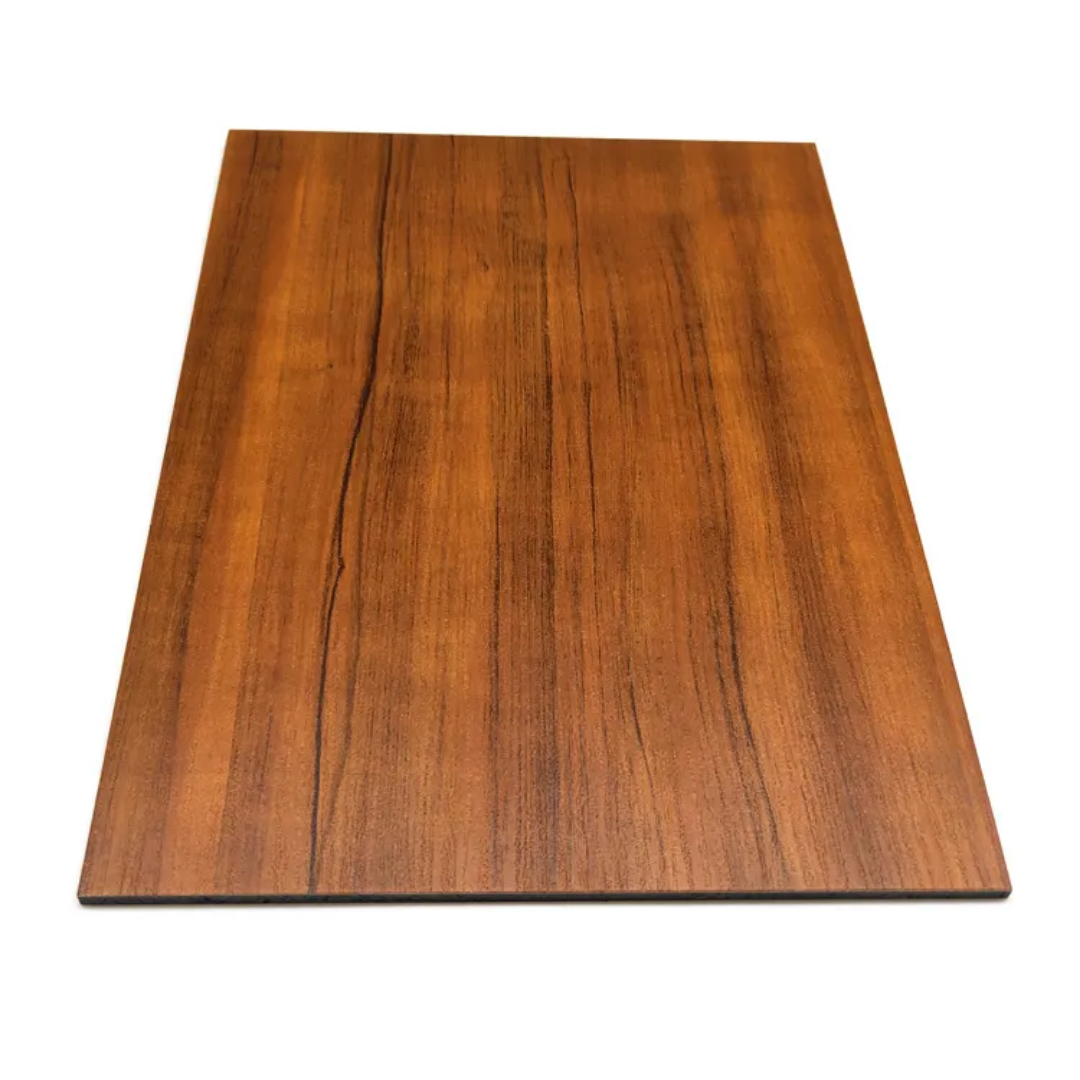
In the world of architectural cladding, the term "fire-resistant" carries enormous weight—and unfortunately, enormous potential for misrepresentation. Following high-profile facade fires worldwide, the demand for genuine fire-rated Aluminum Composite Panels (ACP) has surged. So too has the proliferation of counterfeit, mislabeled, or low-quality cores that claim to be fire-resistant but fail catastrophically under real conditions.
For professional buyers, specifiers, and facade engineers, the difference between a genuine A2 or B1-rated core and a substandard imitation is not merely a matter of compliance—it is a matter of life safety, legal liability, and long-term asset protection.
But how do you spot a low-quality core before the panel is installed on a building? The answer lies in a combination of visual inspection, physical testing, and documentation verification. Here is your technical guide to separating genuine fire-resistant cores from dangerous counterfeits.
Why the Core Is the Critical Component
The core of an aluminum composite panel is the layer sandwiched between the two aluminum skins. It determines the panel's **fire performance** above all else.
- Polyethylene (PE) Core: Highly combustible. Melts and drips burning plastic, contributing to fire spread. Suitable only for low-rise applications where codes permit.
- Mineral Core (FR / Fire-Resistant): Contains non-combustible minerals such as Magnesium Hydroxide (MDH) or Aluminum Trihydroxide (ATH). Designed to self-extinguish, produce minimal smoke, and prevent flame propagation.
A low-quality "fire-resistant" core typically falls into one of three categories: a PE core falsely labeled as FR, a mineral core with insufficient filler content, or a hybrid core that uses cheap fillers to mimic the appearance of a genuine mineral core.
1. The Visual Inspection: Look for Consistency
Before any destructive testing, start with a simple visual examination of the exposed core edge.
What to Look For:
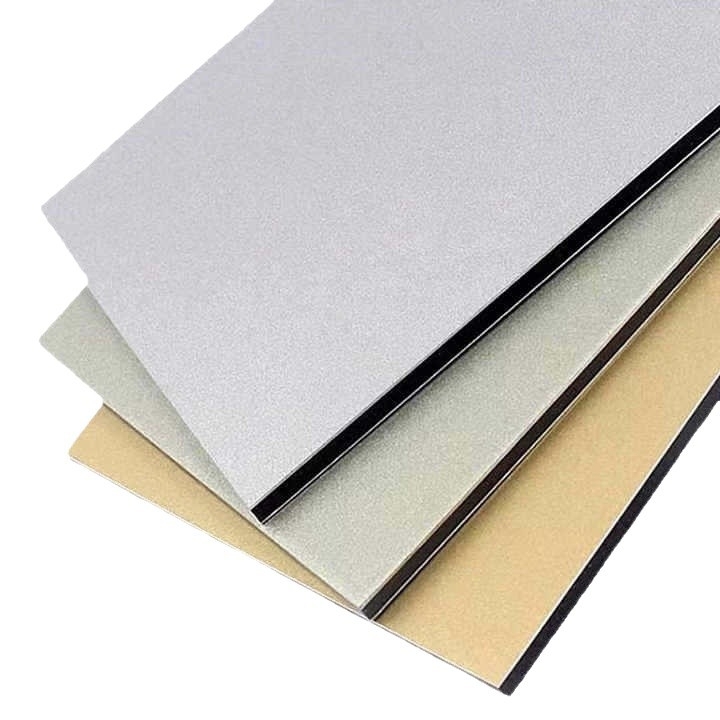
- Genuine Mineral Core: Should appear uniform in color (typically off-white, gray, or black depending on the formulation) with a dense, chalk-like texture. There should be no visible "bubbles," voids, or separation between the core and the aluminum skins.
- Low-Quality Core: May show inconsistent coloration, indicating poor mixing of minerals and binders. Look for translucent or waxy areas—these suggest a high polyethylene content disguised with mineral additives. If the core looks like solid plastic, it is not fire-resistant.
Red Flag: If the core material appears glossy, feels waxy to the touch, or resembles a solid plastic sheet, the panel is almost certainly a standard PE core, regardless of what the label states.
2. The Flame Test: The Definitive Field Test
The most reliable on-site method to verify fire resistance is a simple flame test. While it does not replicate laboratory conditions (such as EN 13501 or ASTM E84), it provides immediate, undeniable evidence of core behavior.
Procedure:
1. Cut a small sample (approximately 50mm x 50mm) exposing the core edge.
2. Using a butane torch or lighter, apply a direct flame to the exposed core for 10–15 seconds.
3. Remove the flame and observe.
Results:
Core Type | Behavior | Conclusion |
Genuine Mineral Core (A2/B1) | May char slightly under direct flame. Once the flame is removed, combustion stops immediately within 1–2 seconds. No burning droplets. Minimal smoke. | PASS |
Hybrid / Low-Quality FR Core | Sustains flame for several seconds after removal. May emit black smoke. May drip burning material. | FAIL |
PE Core (Misrepresented) | Ignites rapidly. Continues burning vigorously after flame removal. Drips burning plastic. Thick black smoke. | FAIL |
Professional Insight: Be wary of suppliers who refuse to allow flame testing on samples. A legitimate manufacturer of fire-resistant panels will confidently encourage this test.
3. The Weight and Density Check
Mineral-filled cores are significantly heavier than polyethylene cores. Weight is a quick, non-destructive indicator of core quality.
The Test:
Compare a 4mm thick panel claiming fire resistance against a known standard. A genuine 4mm A2-grade panel with 0.50mm skins typically weighs between 7.5 and 8.5 kg per square meter.
- Lightweight Panels: If the panel feels suspiciously light (closer to 4.5–5.5 kg/m²), the core density is too low to contain sufficient mineral filler. Lightweight "fire-resistant" panels often use a core that is primarily polyethylene with minimal mineral additives—just enough to pass a cursory test but insufficient for real fire protection.
Red Flag: If the panel weight is not listed on the technical datasheet, or if the supplier cannot provide weight per square meter, treat this as a warning sign.
4. The Scrape and Powder Test
The physical composition of a genuine mineral core differs fundamentally from plastic-based cores.
The Test:
Using a utility knife or metal scraper, scrape the exposed core edge to generate powder or shavings.
What to Look For:
- Genuine Mineral Core: Scraping produces a fine, dry powder similar to chalk or drywall compound. The core crumbles under pressure rather than cutting cleanly.
- Low-Quality or PE Core: Scraping produces long, continuous shavings or curls of plastic. The material feels elastic rather than brittle. If it cuts like soft plastic, it is not a true mineral core.
5. The Certification and Traceability Audit
Physical testing is essential, but it should be complemented by rigorous documentation verification. Low-quality cores often hide behind fraudulent certificates or vague claims.
What to Verify:
- Test Reports: Request the original test reports from accredited laboratories such as UL (USA), Intertek (UKAS), CSTB (France), or TÜV (Germany). Do not accept a "certificate" that is simply a printout without a laboratory letterhead and traceable report numbers.
- EN 13501-1 Classification: For European standards, look for A2-s1, d0 (non-combustible) or B-s1, d0 (high fire performance). The "s1" indicates low smoke production; "d0" indicates no burning droplets.
- ASTM E84: For North American markets, verify the Flame Spread Index (FSI). A genuine Class A or Class B fire-rated panel will have an FSI of 25 or less.
- Mill Certificate: Ensure the mill certificate matches the product label and confirms the core type, aluminum alloy, and coating specifications.
Red Flag: Generic certificates that do not reference the specific manufacturer, plant location, or batch number. If the supplier cannot provide traceable documentation linking the certificate to the actual product delivered, assume the core is not genuine.
6. The Smell Test: A Simple Sensory Clue
While not a scientific measure, the olfactory test can provide a quick indication.
The Test:
Heat the core edge briefly with a lighter or heat gun. Smell the fumes.
- PE Core: Emits a distinct, sharp odor of burning plastic or candle wax.
- Mineral Core: Emits a mild, earthy, or mineral odor. If any plastic smell is present, the core contains polyethylene.
Why Low-Quality Cores Persist in the Market
Despite strict regulations, low-quality cores continue to penetrate supply chains for three primary reasons:
1. Price Pressure: Buyers prioritizing the lowest upfront cost create demand for cheaper alternatives.
2. Counterfeit Documentation: Unscrupulous suppliers produce fake test reports or reuse certificates from legitimate manufacturers.
3. Misleading Terminology: Terms like "fire-retardant," "fire-resistant," or "FR" are used loosely. Only independent third-party certification confirms actual performance.
Conclusion: Protect Your Project Through Verification
A low-quality core in a fire-resistant aluminum composite panel is a hidden liability that only reveals itself under fire conditions—when it is too late. For professional buyers, the cost of verification is negligible compared to the cost of failure.
By implementing a verification protocol that includes **visual inspection, flame testing, weight verification, and documentation auditing**, you can confidently distinguish genuine fire-resistant panels from dangerous counterfeits.
Never rely on a brochure. Test the core. Verify the certification. Protect the building.