Welcome to Vbond
How to Use ACP (Aluminum Composite Panel) for Signage and Branding Projects
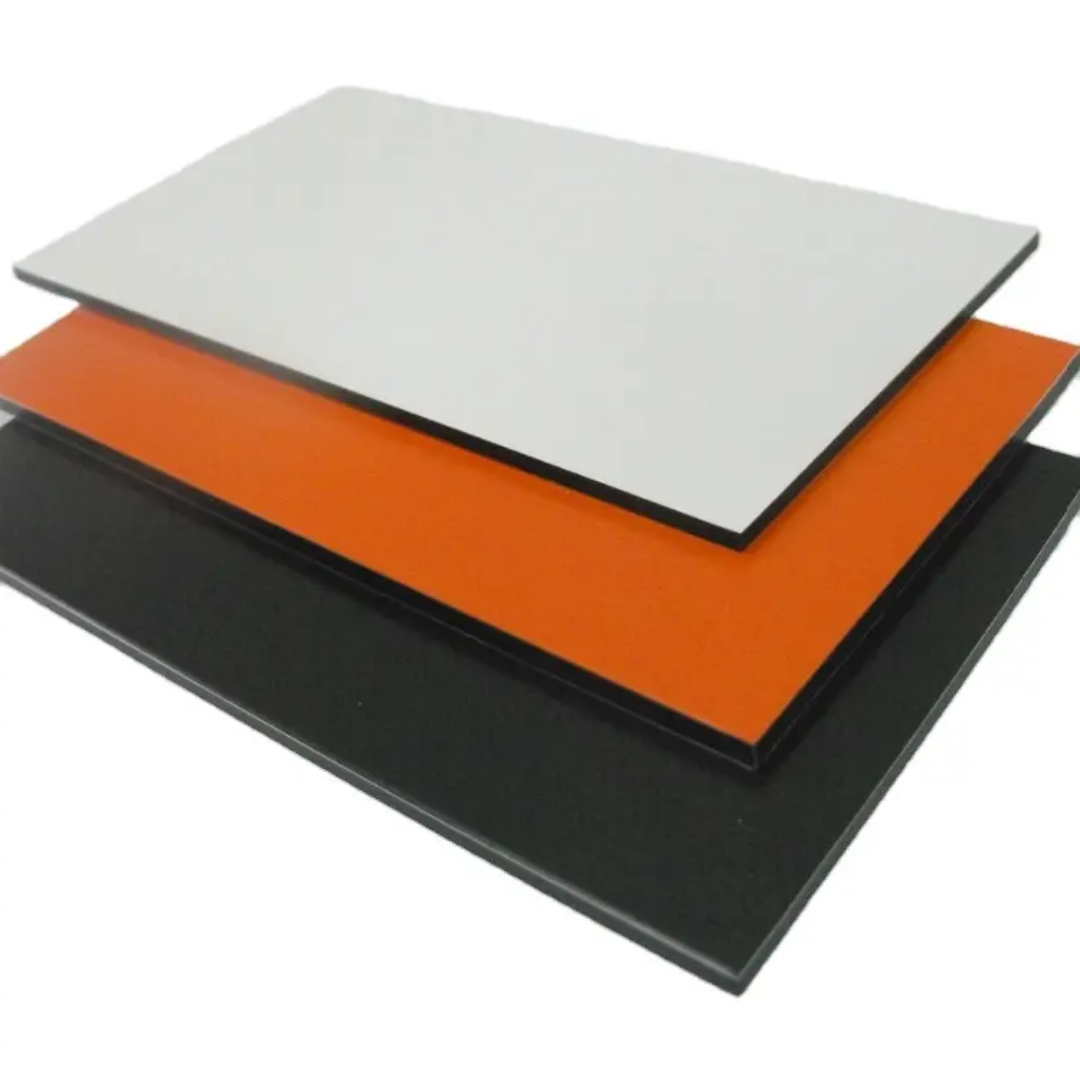
In the competitive world of branding and visual communication, material selection is paramount. Among the most versatile and widely adopted solutions for durable, high-impact signage and branding is Aluminum Composite Panel (ACP). This guide explores the professional application of ACP for projects ranging from corporate facades and retail signage to interior branding and wayfinding systems.
Why Choose ACP for Signage and Branding?
ACP is a flat panel consisting of two thin, coil-coated aluminum sheets bonded to a non-aluminum core. This composite structure delivers a unique balance of benefits essential for modern branding:
1. Exceptional Durability and Weather Resistance: ACP sheets are highly resistant to weathering, corrosion, and UV radiation. This ensures that exterior signage and architectural cladding retain their color and structural integrity for years, even in harsh environments, minimizing maintenance costs.
2. Lightweight Yet Rigid Structure: ACP is remarkably lightweight, making it easier and more cost-effective to transport, handle, and install compared to solid metal or stone. Its rigidity prevents warping, providing a flawless, flat surface for large-format applications.
3. Superior Surface Finish and Customization: Available in a vast spectrum of metallic finishes, solid colors, wood and stone effect prints, and custom digital prints, ACP offers unparalleled design flexibility. This allows brands to achieve a consistent and precise color match across all touchpoints.
4. Fabrication Versatility: ACP can be easily cut, routed, bent, drilled, and folded using standard workshop tools. This facilitates the creation of 3D letter signage, complex shapes, curved forms, and modular branding elements with clean, precise edges.
5. Fire-Retardant Options: For interior applications or specific building codes, fire-retardant ACP cores (such as mineral-filled) are available, enhancing safety without compromising on aesthetics.
Professional Application Guide for ACP in Branding Projects
1. Project Planning and Design
Concept Development: Integrate ACP’s material properties into your design from the outset. Consider how its finish (e.g., brushed aluminum for a tech look, vibrant print for retail) aligns with the brand identity.
Panel Specification: Professionally specify the correct ACP thickness (common 3mm or 4mm for signage), core type (standard PE or fire-retardant), and finish (PVDF coating for long-term exterior use is industry standard).
CAD and Fabrication Drawings: Provide detailed technical drawings for fabrication, including dimensions, cut-outs, bend lines, and assembly details for seamless installation.
2. Fabrication and Printing Techniques
Precision Cutting: Utilize computer numerical control (CNC) routing for accurate, clean cuts, essential for intricate logos and lettering.
Digital Printing: For full-color graphics, photographs, or complex brand murals, direct UV printing on ACP is a superior solution. It offers high resolution, scratch resistance, and excellent outdoor durability.
Post-Forming: Create depth and dimension by fabricating ACP sign boxes (with LED illumination) or bending panels to create self-supporting structures and architectural accents.
3. Installation Best Practices
Sub-frame Construction: For large-format or exterior signage, a robust aluminum or steel sub-frame is critical for structural support and wind load management.
Recommended Fixing Systems: Use appropriate mechanical fixings (e.g., rivets, screw-and-plug systems) or advanced adhesive systems designed for ACP. Ensure installation follows manufacturer guidelines and local building codes.
Seamless Jointing: For large cladding areas, use specialist joint profiles and techniques to create a smooth, continuous branded surface.
4. Maintenance and Longevity
ACP signage requires minimal upkeep. Recommend regular cleaning with mild detergents and water to preserve its appearance. Its inherent durability protects the brand image** from fading or degradation.
Conclusion
For architects, brand managers, and signage fabricators, Aluminum Composite Panel (ACP) represents a high-performance substrate that successfully merges aesthetic appeal with practical resilience. Its versatility in fabrication, exceptional durability, and vast design potential make it an industry-preferred material for creating impactful, long-lasting branding assets. By leveraging ACP’s properties through professional specification, precision fabrication, and correct installation, businesses can build a powerful and enduring visual identity.






