Welcome to Vbond
Labor Cost Analysis for Aluminum Panels: Fixing 100sqm of Blisters vs. Buying Premium Non-Bubble ACP
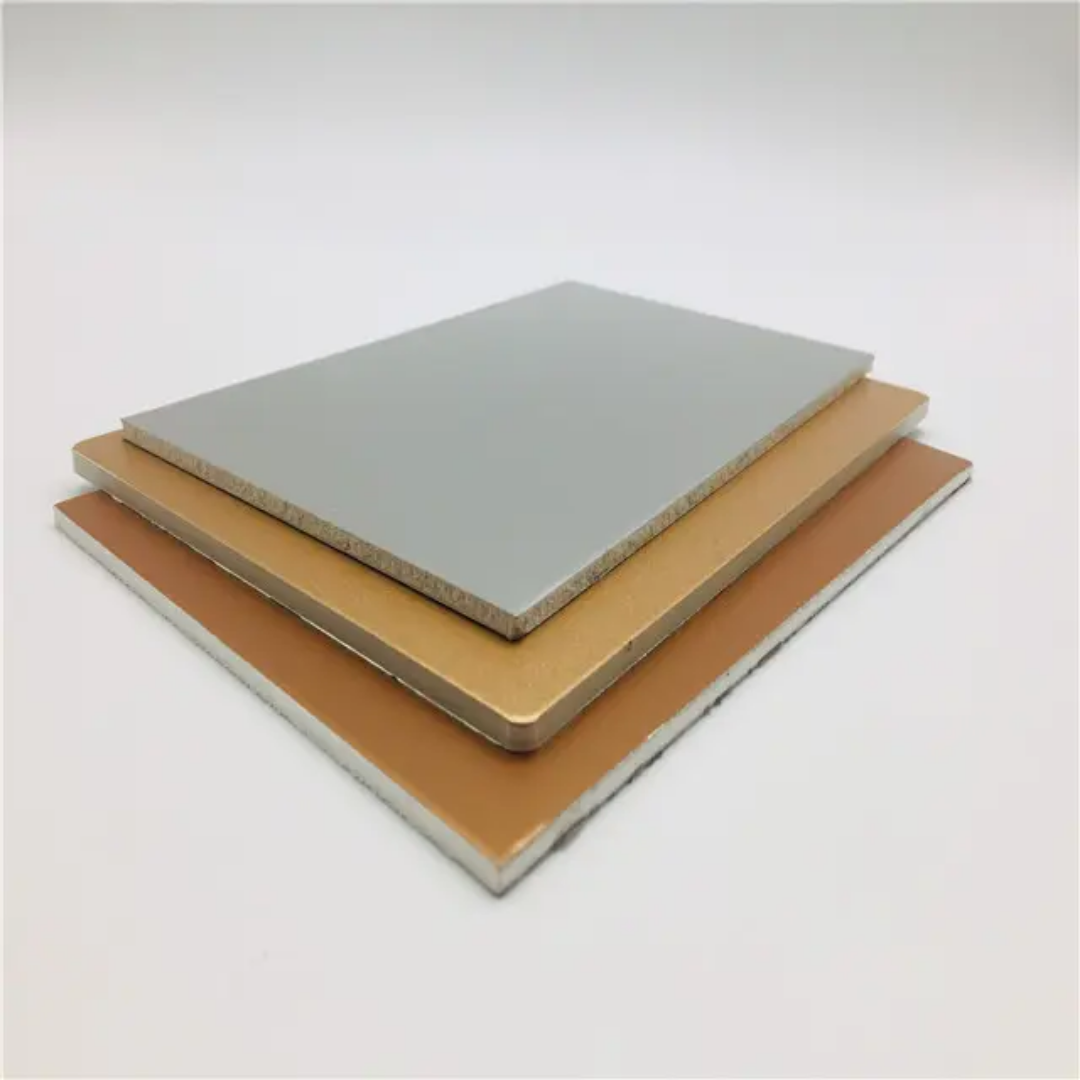
As a procurement professional, you are constantly pressured to lower the initial purchase price. It is a standard Key Performance Indicator (KPI). However, in the world of Aluminum Composite Panels (ACP), the "low bid" often comes with hidden defects—specifically, surface blistering caused by poor core extrusion or improper storage.
When blisters appear on a facade, you have two options: attempt a costly, labor-intensive repair or replace the panels entirely. This analysis compares the real cost of fixing 100 square meters of blistered panels versus the upfront premium for high-quality, non-bubble ACP.
The numbers reveal a stark truth: Cheap panels are a liability, not an asset.
1. The Procurement Trap: The Price of "Cheap."
The market is flooded with standard-grade ACPs. The allure is obvious. According to industry data, standard 4mm ACP ranges from $5.50 to $7.00 per square foot, while premium fire-rated versions range from $12.00 to $15.00.
If you choose the standard option for 100 sqm (approx. 1,076 sq ft), you might save $0 upfront. But the risk is that standard-grade panels often use recycled LDPE cores and inconsistent extrusion processes. When moisture hits these voids, massive blistering occurs.
2. The Repair Scenario: Fixing 100sqm of Blisters
Once the aluminum skin has separated from the core (delamination), there is no "quick fix." Surface patch painting does not work because the blister is a physical gap.
To repair 100sqm of blistered panels, you must follow this destructive process:
Step 1: Diagnosis and Marking (Labor)
Skilled labor must inspect the facade, marking every single blister. On a low-quality facade, this could be 30-50% of the surface area. This takes 1-2 days.
Step 2: The Cut-Out and Core Scraping (Intensive Labor)
Workers must take a sharp knife and cut an "X" or "H" into each blister. They scrape out the rotten core material, sand the inside of the aluminum skin, and clean the void with solvent to prep for adhesion. This is painstaking, manual work.
Step 3: Injection and Clamping
Specialized low-viscosity epoxy or polyurethane adhesive must be injected into the void. Each blister must be clamped or weighted down for 24-48 hours to force the aluminum skin to re-bond to the core while the epoxy cures.
Step 4: Surface Finishing
After curing, the clamps are removed. The injection site must be sanded flush, primed, and repainted. Matching the original PVDF color exactly is nearly impossible, resulting in a "patchwork" aesthetic.
Labor & Cost Breakdown for 100sqm
- Labor Hours: Skilled repair work takes roughly 4-5 hours per square meter to execute correctly.
- Calculation: 100 sqm × 4.5 hours = 450 man-hours.
- Labor Cost: At a moderate rate of $35/hr (including benefits and overhead), the labor alone is $15,750.
- Material & Equipment: Epoxy injectors, specialized adhesives, solvents, sandpaper, and premium matching paint. $2,500.
- Scaffolding/Access: Moving crews around the facade. $3,000.
Total Estimated Repair Cost for 100sqm: $21,250
3. The Replacement Scenario: Tear-Out and Reinstall
If the delamination is widespread (more than 30% of the panel surface), repairs are futile. The panel has lost its structural rigidity. The only option is a full tear-out.
- Demo & Disposal: Labor to remove 100sqm of failed ACP and dispose of it. $4,000.
- New Premium ACP Material: 100sqm of premium Non-Bubble ACP (approx. $15.00/sq ft). $16,140.
- Installation Labor: Installing new panels onto the existing substructure. $7,000.
Total Estimated Replacement Cost: $27,140
4. The Premium Investment: Buying Non-Bubble ACP
Now, look at the cost of doing it right the first time. Premium "Non-Bubble" ACP uses virgin raw materials, consistent extrusion filters, and high-quality adhesive bonding. They are often Fire-Rated (FR or A2) and meet ASTM E84 standards.
- Material Cost: 100sqm of Premium ACP (e.g., 4mm with high-durability PVDF). $16,140.
- Standard Installation: $7,000.
- Total Initial Investment: $23,140
5. The ROI Analysis: Why "Cheap" Destroys Your Budget
Cost Scenario | Fixing Blisters (Repair) | Full Replacement | Premium Non-Bubble (Do it Right) |
Material Cost | N/A (Original cheap material failed) | $16,140 | $16,140 |
Labor/Repair Cost | $21,250 | $11,000 (Demo + Install) | $7,000 (Install only) |
Total Outlay | $21,250 (Facade still looks patched) | $27,140 (Starting from scratch) | $23,140 (New, perfect facade) |
Project Delay | Extreme (2-3 weeks downtime) | High (Full schedule slip) | Zero (On-time installation) |
Result | Ugly, weak facade. | Acceptable, but the budget is blown. | Pristine, warrantied facade. |
6. Conclusion
The analysis is clear: Fixing blisters is never the "cheaper" option. For 100sqm, you will spend nearly as much in labor ($21,250) trying to resurrect dead panels as you would buying premium ones ($23,140). Furthermore, paying to have a facade fail, only to pay again to fix it, results in paying for the same asset twice.
As a procurement professional, your role is to protect the total cost of ownership (TCO). Do not let a low price per square foot fool you. Premium "Non-Bubble" ACP is not an expense—it is an insurance policy against the catastrophic labor costs of remediation.