Welcome to Vbond
Local Stock vs. Direct Import: Best Strategy for Buying Aluminum Composite Panels
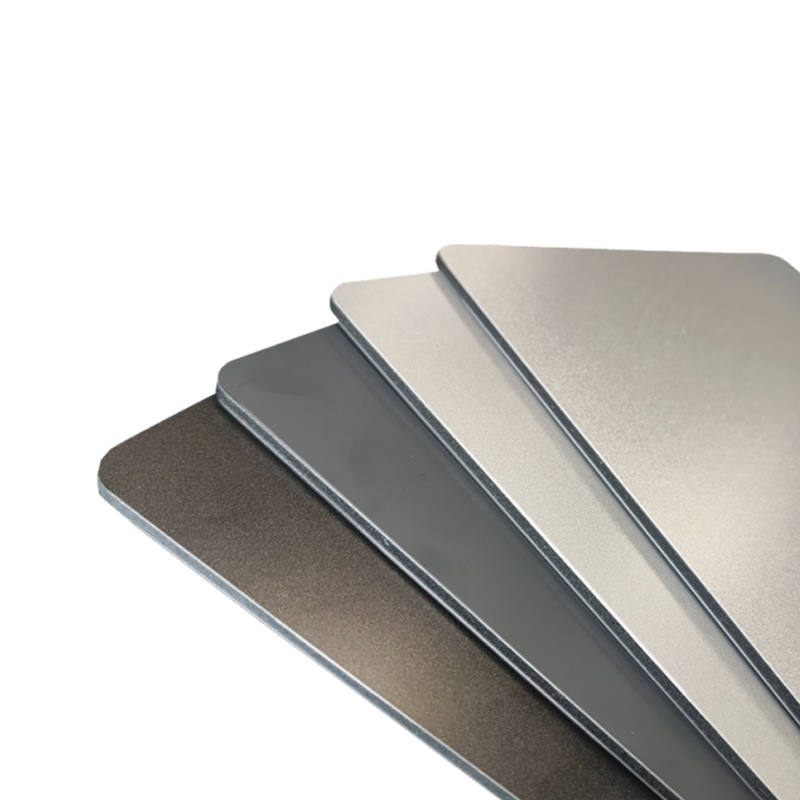
Local stock or direct import for aluminum composite panels? Compare cost, lead time, quality control, and customization to choose the best sourcing strategy for your construction project.
Should you buy from a local distributor with material ready to ship today? Or should you go direct to an overseas manufacturer, cutting out the middleman to secure better pricing and custom specifications?
The answer isn't always straightforward. It depends on your project scale, timeline, technical requirements, and risk tolerance. This guide breaks down the pros and cons of each strategy, providing a clear framework to help you choose the best path for your next project.
Strategy 1: Sourcing from Local Stockists
Local sourcing typically means buying from building material retailers, stockists, or regional distributors who maintain inventory within your country.
✅ The Advantages of Local Stock
- Immediate Availability (Lead Time): This is the biggest advantage. If a panel gets damaged on site or you miscalculated quantities, you can get replacements in days, not weeks. Local stock keeps projects on schedule.
- Lower Minimum Order Quantities (MOQs): Local suppliers are usually willing to sell by the sheet or small bundle. This is ideal for small renovation jobs, signage, or interior projects where you don't need a full truckload.
- Simplified Logistics: You avoid the headache of customs clearance, port handling, and international freight. Shipping costs are local and predictable.
- Physical Inspection: You can visit the yard, see the actual material, and take samples home immediately. There is no "digital guesswork."
- Easy Returns and Support: If there is an issue, you have a local entity to deal with, making returns or exchanges significantly easier.
❌ The Drawbacks of Local Stock
- Higher Unit Cost: You are paying for the convenience. Distributors need to cover their warehousing, overhead, and profit margin, which can add 20–30% to the cost compared to factory pricing.
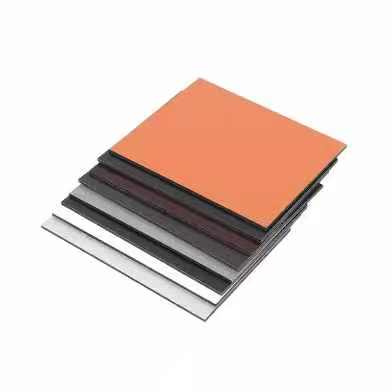
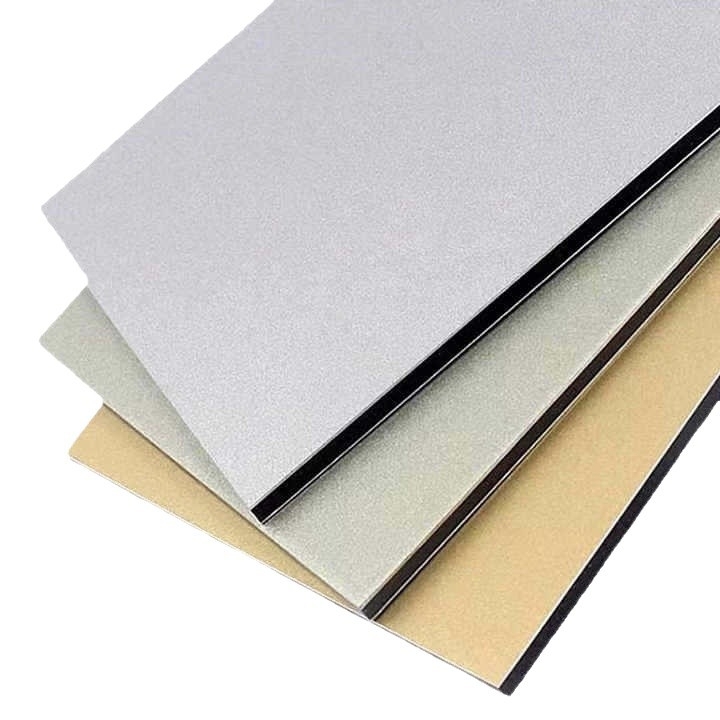
- Limited Selection: Stockists usually only carry "fast movers"—popular colors (like white, silver, beige) and standard sizes (like 4x8ft or 4x10ft). If you need a specific RAL color, a custom brushed finish, or a specialized fire-rated core, they likely won't have it.
- Inconsistent Quality: When buying from a distributor, you often don't know which factory actually made the panels. Quality can vary between batches, leading to color mismatch or inconsistent flatness on your facade.
- Lack of Technical Support: The counter staff at a local supplier are salespeople, not engineers. For complex facades requiring specific wind-load calculations or engineered solutions, they offer minimal technical guidance.
Strategy 2: Direct Import from Overseas Manufacturers
This strategy involves bypassing intermediaries and sourcing directly from major production hubs, most notably in China (Shandong, Shanghai, Guangdong), which dominate global ACP supply due to vertical integration and advanced production lines.
✅ The Advantages of Direct Import
- Significant Cost Savings: By eliminating the middleman, you can save 15–30% on material costs, especially on large bulk orders. This is the primary driver for contractors on tight budgets.
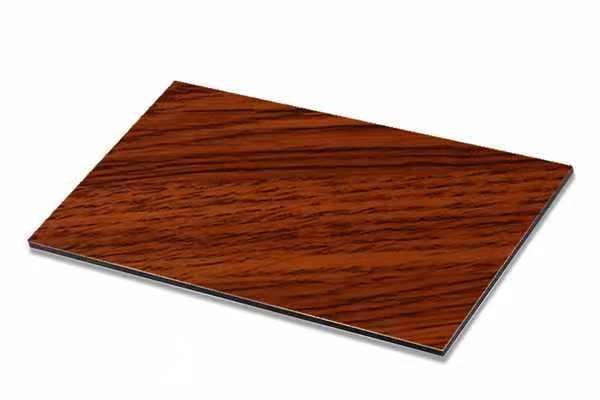
- Endless Customization: Manufacturers can tailor everything: aluminum skin thickness, core type (PE, FR, A2 Mineral), PVDF or FEVE coatings, custom RAL colors, wood/stone prints, and even custom sizes up to specific lengths. This is essential for signature architectural projects.
- Strict Quality Control & Consistency: When you work directly with a factory, you have visibility into their Quality Management System. Reputable manufacturers perform peel tests, coating thickness checks, and weathering tests to ensure every batch meets ISO or EN standards. This consistency is vital for large-scale facades.
- Direct Technical Support: Experienced manufacturers employ engineers who can provide BIM drawings, structural calculations, and installation guidance. You get support from the people who actually make the product.
- Supply Chain Control: You build a direct relationship with the source. For long-term projects or multiple developments, this ensures supply stability and traceability.
❌ The Challenges of Direct Import
- Longer Lead Times: You must plan. Production typically takes 15–25 days, plus 20–40 days for sea freight, depending on the destination. Delays at the port or in production can halt a site.
- High MOQs: While many suppliers now offer low MOQs for samples (as low as 1 sqm or 10 sqm), economical pricing usually requires container-load orders (e.g., 300–500 sqm or more).
- Complex Logistics: You must manage or pay for freight forwarding, customs clearance, duties, and inland transport. Understanding Incoterms (FOB, CIF, DDP) is crucial.
- Quality Risk: There is a risk of dealing with "traders" who pose as manufacturers, or receiving goods that don't match the sample. This necessitates factory audits and pre-shipment inspections.
- Communication Barriers: Time zones, language differences, and cultural nuances can lead to misunderstandings if the supplier lacks a strong export sales team.
Head-to-Head Comparison: Making the Choice
To make the decision easier, here is how the two strategies stack up against the key factors that matter to buyers.
Evaluation Factor | Higher (includes middleman margin) | Direct Import (OEM/Factory) |
Unit Price | Higher (includes middleman margin) | Lower (15-30% savings) |
Lead Time | Immediate / Days | 4-8 Weeks (Production + Shipping) |
Customization | Very Limited (Standard colors/sizes only) | Unlimited (RAL, sizes, cores, finishes) |
Minimum Order | Low (Single sheets) | High (Container loads, though samples possible) |
Quality Consistency | Variable (Multiple sources) | High (Single source control) |
Technical Support | Basic (Sales-oriented) | Advanced (Engineering/Design support) |
Risk Level | Low (Easy returns) | Higher (Requires due diligence) |
Decision Matrix: Which Strategy is Right for Your Project?
Use this simple guide to determine your best path forward.
Choose Local Stock When:
1. The project is small: You need less than 500 sqm for a shop renovation or small interior job.
2. The timeline is critical: You need material onsite next week to avoid penalty fees.
3. The specs are standard: You only need basic PE panels in common colors like white or silver.
4. It's a "fill-in" order: You ran short on a major project and need a small quantity to finish the job without waiting for a container.
Choose Direct Import When:
1. The project is large-scale: You are cladding a high-rise, airport, or commercial complex requiring thousands of square meters of consistent material.
2.You need fire-rated panels: You need certified FR (B1) or non-combustible A2 Mineral Core panels to meet building codes.
3. Design is paramount: The architect specified a unique custom color, a specific metallic finish, or custom-cut dimensions that aren't available off the shelf.
4. Budget is the primary driver: You need the lowest possible material cost to win a tender or maximize profit margins on a bulk purchase.
5. You are a distributor: You want to build your own inventory and brand by establishing a long-term supply agreement with a reliable OEM partner.
Conclusion: A Hybrid Approach Often Wins
In reality, the "best" strategy isn't always an either/or decision. Many successful construction firms use a hybrid model.
They directly import the bulk of the material for the main facade to secure the best price, custom colors, and consistent quality. Simultaneously, they maintain a relationship with a local stockist to cover any last-minute shortages or on-site damage that requires immediate replacement.
By understanding the trade-offs between cost, time, and customization, you can confidently choose the sourcing strategy that keeps your project on budget, on schedule, and up to code.