Welcome to Vbond
Managing Lead Times for Just-in-Time Aluminum Composite Panel Delivery
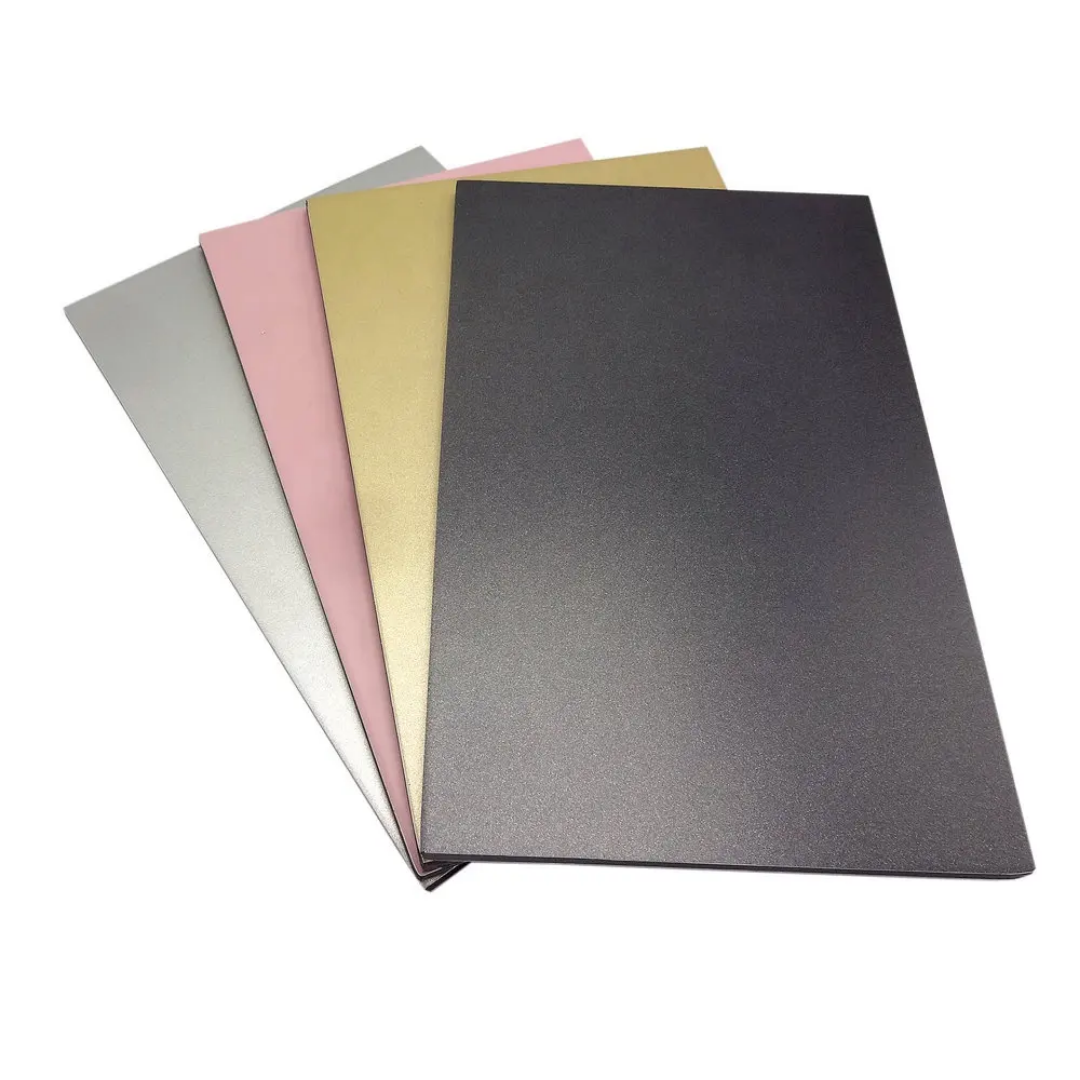
In the world of construction, few strategies are as rewarding—yet as demanding—as Just-in-Time (JIT) delivery. When executed correctly, JIT aligns material arrivals precisely with installation schedules, slashing storage costs, freeing up working capital, and keeping job sites uncluttered. For aluminum composite panels (ACPs), however, JIT is not merely a logistics preference; it is a carefully orchestrated process that hinges on one critical variable: lead time management.
The global ACP market continues its robust expansion, valued at approximately $6.87 billion in 2025 and projected to reach $7.39 billion in 2026, reflecting a compound annual growth rate (CAGR) of 7.6%. With this growth comes increased pressure on supply chains. The ACP supply chain is built on a global backbone, with key industrial clusters in China providing the majority of international supply. For a JIT strategy to succeed, procurement professionals must master a complex equation of production, ocean freight, customs clearance, and last-mile logistics, all while building in resilience against inevitable disruptions.
This article provides a comprehensive guide to managing lead times for JIT delivery of aluminum composite panels, offering practical strategies to balance the efficiency of lean inventory with the realities of global sourcing.
Understanding the JIT Lead Time Equation
JIT delivery, at its core, aims to minimize on-site inventory by ensuring materials arrive precisely when needed. The primary goals are to reduce waste, cut storage costs, and free up cash that would otherwise be tied up in idle stock. However, the nature of ACP supply chains introduces inherent risks, as a single delay can halt an entire facade installation.
For imported ACPs, the JIT timeline is built on a clear sequence of phases, each with a distinct duration and set of dependencies.
Phase 1: Production (15–35 days)
Standard ACP orders typically require 15–30 days for production after order confirmation and sample approval[reference:8]. More complex requirements extend this window significantly: custom colors require a minimum order quantity (MOQ) of approximately 1000m² and add roughly two weeks for coil procurement and color matching. Non-standard panel sizes follow a similar timeline, while A2 fire-rated mineral-core panels may add further days due to specialized core lamination processes.
Phase 2: Sea Freight (7–35 days)
Ocean freight duration depends heavily on the destination. Major routes from Shanghai or Ningbo to key ports such as Los Angeles, Rotterdam, or Sydney range from 7 to 14 days for major destinations. However, lead times are not static. Blank sailings (canceled voyages) and blank sailings continue to cause schedule disruptions, while port congestion at major hubs can add days or weeks. Additionally, maritime risks, including weather disruptions and piracy in certain chokepoints, add further uncertainty.
Phase 3: Customs Clearance (2–7 days)
Upon arrival, containers must clear import inspection. While straightforward for compliant shipments, customs delays are notoriously difficult to predict and can derail even the most carefully planned schedules.
Phase 4: Inland Transport (1–3 days)
The final leg from port to jobsite is often the most variable. Local traffic, truck availability, and jobsite access constraints must all be factored into the final delivery window.
Total Minimum Lead Time (Standard Order): From factory floor to jobsite, an international ACP shipment typically requires a minimum of 5 to 7 weeks under optimal conditions. Any deviation—custom finishes, peak season congestion, or documentation errors—expands this window substantially.
Building a Robust Supplier Evaluation Framework
The success of any JIT strategy begins with supplier selection. A supplier that consistently misses production deadlines or fails to communicate proactively will undermine even the most sophisticated logistics plan. Procurement professionals should evaluate potential ACP partners on five key performance metrics:
- Production Reliability: Request data on on-time completion rates for recent orders of comparable volume and complexity.
- Communication Responsiveness: Assess how quickly and clearly the supplier addresses inquiries, particularly regarding production status and potential delays.
- Quality Consistency: Review defect rates and customer feedback on coating adhesion, color matching, and dimensional accuracy.
- Financial Stability: For long-term JIT arrangements, a supplier's financial health affects their ability to maintain production schedules and raw material inventories.
- Logistics Integration Capability: Determine whether the supplier can coordinate directly with your freight forwarder, provide accurate packing lists, and adhere to container loading plans.
Beyond the supplier's own capabilities, a collaborative relationship is critical. The "just-in-time" approach to inventory management has faced increased scrutiny in recent years, with some experts noting that even the smallest missing element can disrupt normal operations. Proactive planning and close coordination among procurement, scheduling, and field teams help ensure material availability aligns with planned installation dates. For megaprojects with complex schedules, some industry observers caution that JIT can be a high-risk strategy, advocating for strategic inventory buffers to safeguard critical timelines.
Calculating the True Cost of Inventory
The JIT approach is driven by the understanding that holding inventory is expensive. Carrying costs—including storage, insurance, capital tied up in stock, and potential obsolescence—typically represent 15–25% of inventory value annually for many procurement departments. For high-value ACP orders, this can translate to tens of thousands of dollars saved over the course of a project.
However, JIT is not a one-size-fits-all solution. The optimal approach balances the costs of holding inventory against the risks of stockouts. Bulk purchasing may lead to lower unit prices and provide a hedge against price volatility, while JIT minimizes carrying costs and improves cash flow. For many projects, a hybrid model—maintaining a strategic buffer of standard panels while using JIT for custom or large-volume items—offers the best of both worlds.
Mitigating Risks with Strategic Buffers
Pure JIT leaves no room for error. Even with the most reliable supplier, disruptions will occur. A balanced approach to managing lead times incorporates multiple layers of contingency planning.
Safety Stock: Maintain a small quantity of essential standard panels on-site or at a nearby warehouse. This buffer serves as insurance against the most common disruptions—shipping delays, customs holds, or minor installation damage. The optimal safety stock level balances the cost of holding extra inventory against the potential cost of an installation stoppage.
Buffer Time in Project Scheduling: Construction schedules are notoriously optimistic. Instead of scheduling a delivery for the exact day panels are needed, build in 3–5 days of buffer between arrival and installation. This cushion absorbs delays without affecting the critical path.
Supplier-Held Inventory: For long-term projects, negotiate with your supplier to hold finished panels at their facility, releasing shipments only upon your authorization. This approach provides JIT delivery without requiring the supplier to interrupt their production flow.
Multi-Supplier Sourcing: For large or mission-critical projects, splitting the order between two qualified suppliers can provide a backup source in case one experiences production issues. This strategy requires careful management to ensure color and finish consistency across suppliers.
Streamlining Logistics with Technology
Digital tools have transformed the ability to track and manage ACP shipments in real time. Modern logistics platforms offer features that directly support JIT delivery:
- Real-Time Shipment Tracking: Container-level visibility from factory gate to jobsite, with automated alerts for deviations from planned schedules.
- Automated Appointment Scheduling: Systems that book terminal pickup slots as soon as containers clear customs, reducing idle time and demurrage charges.
- Last-Mile Delivery Optimization: Route planning software that accounts for jobsite access constraints, delivery windows, and vehicle requirements.
Construction logistics management software has become increasingly sophisticated, allowing contractors to trace, schedule, and manage every delivery coming into a site, which helps prevent congestion and bottlenecks.
A Phased Delivery Framework for JIT Success
Implementing JIT for ACPs requires a structured approach. The following framework provides a roadmap for procurement professionals:
Phase 1: Pre-Construction Planning
Develop a detailed installation schedule that specifies which panels are needed on which dates, broken down by floor, elevation, or zone. Determine the required buffer stock level based on project criticality and supply chain reliability. Engage with potential suppliers early, communicating your JIT requirements and assessing their capacity to meet phased delivery schedules.
Phase 2: Supplier Selection and Contracting
Select suppliers with proven on-time performance and clear communication protocols. In the purchase order, specify production lead times, shipping Incoterms, and documentation requirements. Include provisions for liquidated damages in case of supplier-caused delays.
Phase 3: Production and Logistics Coordination
Confirm production start dates and monitor progress against the schedule. Coordinate with your freight forwarder to book vessel space and arrange customs clearance. Maintain regular communication with the supplier, requesting production updates and shipping documentation.
Phase 4: On-Site Receiving and Inspection
Inspect panels immediately upon delivery, documenting any damage on the delivery receipt. Notify the supplier and freight forwarder of any discrepancies within the contractually specified timeframe.
Phase 5: Continuous Improvement
After project completion, conduct a post-mortem analysis of lead time performance. Identify bottlenecks and areas for improvement, and incorporate lessons learned into future procurement processes
Real-World Implementation: Key Success Factors
Successful JIT implementation for ACPs depends on several critical factors.
Early and Accurate Forecasting
The earlier a supplier receives a forecast of upcoming requirements, the better they can allocate production capacity and raw materials. For long-term projects, rolling forecasts updated monthly provide suppliers with the visibility needed to maintain JIT performance.
Clear Documentation and Communication
Misunderstandings about specifications, delivery dates, or documentation requirements are a primary cause of delays. Use written confirmations for all key communications, and maintain a shared project calendar accessible to procurement, logistics, and installation teams.
Strong Freight Forwarder Partnerships
The freight forwarder is the linchpin of international JIT delivery. Select a forwarder with experience in construction materials, established relationships at destination ports, and robust tracking capabilities.
Conclusion
Managing lead times for just-in-time delivery of aluminum composite panels is a demanding but highly rewarding discipline. It requires procurement professionals to think beyond the purchase order, integrating supplier selection, logistics coordination, risk management, and on-site execution into a seamless process.
The benefits of successful JIT implementation are substantial: reduced working capital requirements, lower storage costs, minimized on-site damage, and improved cash flow. In an environment where ACP market growth continues to accelerate, mastering JIT delivery provides a competitive advantage that directly impacts project profitability and timeline performance.
By understanding the components of lead time, evaluating suppliers rigorously, building in strategic buffers, and leveraging technology for visibility, procurement professionals can transform JIT from a theoretical ideal into a practical reality.