Welcome to Vbond
Matching Aluminum Composite Panels to Existing Building Materials

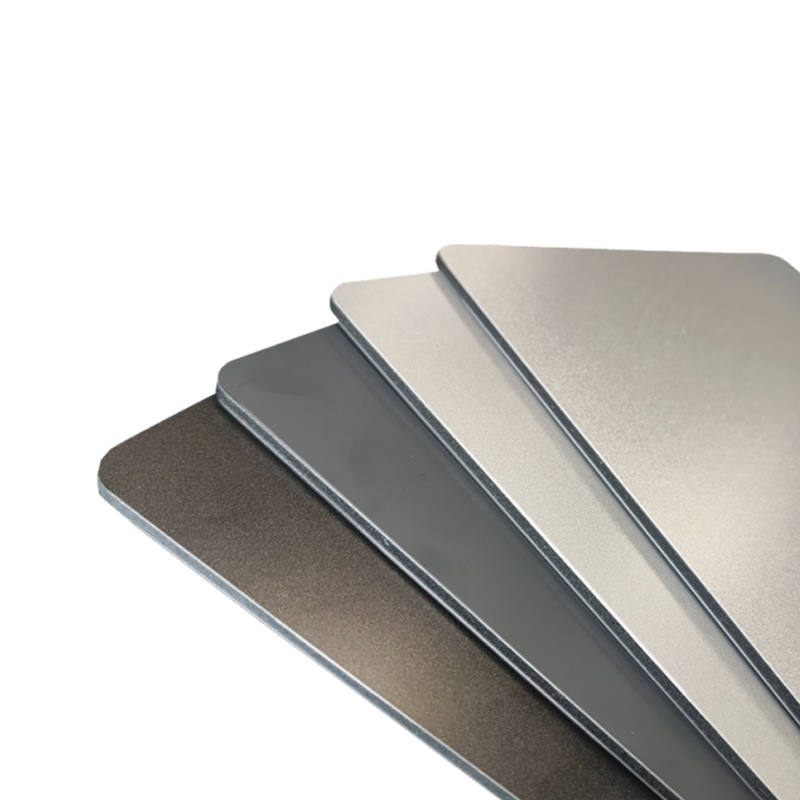
Renovation, expansion, and restoration projects present a unique challenge for architects and procurement professionals: how to integrate new aluminum composite panel (ACP) cladding with an existing building’s established material palette. Unlike new construction, where all materials can be selected in harmony from the outset, retrofit projects require new panels to coexist—seamlessly—with brick, stone, wood, glass, stucco, or metal that has been in place for years or decades.
Matching ACPs to existing materials is an art informed by science. It demands attention to color, texture, gloss, geometry, and the inevitable weathering that existing materials have undergone. Done successfully, the result is a cohesive building that looks intentional, unified, and timeless. Done poorly, the addition appears as an afterthought—visually jarring and commercially devalued.
This article provides a comprehensive guide to selecting aluminum composite panels that harmonize with existing building materials, ensuring that renovations enhance rather than detract from architectural integrity.
The Challenge of Matching to Aged Materials
The most common mistake in renovation projects is attempting to match new panels to a sample of the original material taken from an old stock or a protected area. Existing building materials age. They fade, weather, accumulate patinas, and develop unique character that cannot be replicated by a pristine new panel.
Consider:
- Brick: Red brick oxidizes, mortar joints darken, and the overall tone shifts toward muted earthiness over decades.
- Natural stone: Limestone yellows, granite accumulates atmospheric soiling, and marble develops a soft patina.
- Wood: Unprotected wood grays; protected wood darkens or lightens depending on exposure.
- Metal: Copper develops verdigris; aluminum and steel acquire oxidation patterns.
- Concrete: Weathers to softer grays with moss, efflorescence, or carbonation darkening.
Matching a new ACP to a decades-old material requires not matching the original color but matching the current appearance—and often, selecting a complementary rather than identical approach.
Color Matching: Beyond the RAL Fan Deck
Color is the most visible aspect of material matching. Procurement professionals must approach color selection for renovation projects with specific strategies:
1. On-Site Color Analysis
Never rely on photographs or memory. Conduct on-site color analysis using:
- Spectrophotometer readings to capture precise L*a*b* values of the existing material under current lighting
- Physical color swatches held against the existing facade at different times of day
- Large-format samples (minimum 12" x 12") evaluated in situ
2. Accepting Tonal Variation
Natural and aged materials inherently vary across a building surface. New ACPs should not attempt to achieve a single, uniform color that makes the existing variation appear flawed. Instead:
- Select ACP colors within the existing color range
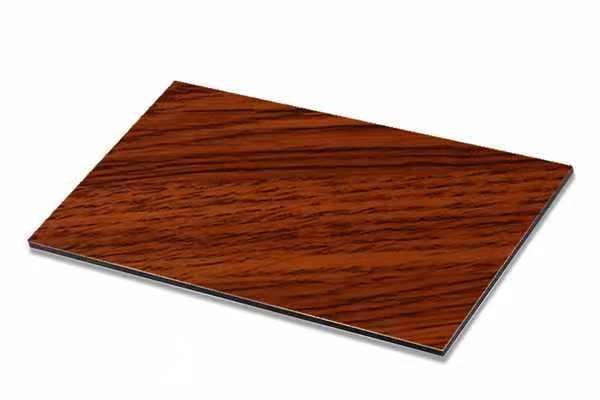
- Consider panels with intentional subtle variation (e.g., wood grain with natural tonal shifts)
- Use the new material as a neutral bridge that complements without competing
3. Complementary vs. Identical Matching
In many cases, exact color matching is neither possible nor desirable. A more successful strategy is complementary matching—selecting an ACP color that harmonizes with the existing material without attempting to duplicate it.
Existing Material | Complementary ACP Approach |
Red brick | Warm grays, terracotta tones, deep charcoal |
Limestone | Light beiges, off-whites, warm grays |
Granite | Medium to dark grays, charcoal, black |
Wood | Warm browns, bronze metallics, olive greens |
Glass curtain wall | Cool grays, silvers, whites that reflect the glass |
Stucco | Similar undertones with matte finish to match texture |
Texture and Gloss Coordination
Color matching alone is insufficient. The texture and gloss level of new ACPs must harmonize with existing materials to achieve visual cohesion.
Gloss Level Considerations
Existing Material | Recommended ACP Gloss |
Honed stone, brick, stucco | Matte (5–25 GU) |
Polished stone, glass, high-gloss metal | Semi-gloss to gloss (40–85 GU) |
Weathered wood, aged metal | Matte to satin (10–35 GU) |
Architectural concrete | Matte to low-sheen (10–20 GU) | |
A glossy ACP adjacent to weathered brick creates visual tension. A matte panel next to polished granite can appear dull. Matching gloss levels creates a sense of material continuity.
Texture Coordination
Textured ACPs offer opportunities to echo existing material surfaces:
- Wood grain ACP adjacent to existing timber elements
- Stone texture ACP alongside natural stone
- Brushed metal ACP next to existing metal cladding
- Linen or subtle embossed textures adjacent to stucco or concrete
When existing materials have strong texture, a smooth ACP can serve as a neutral foil—creating intentional contrast rather than failed match.
Panel Geometry and Proportion
Beyond color and texture, the geometry of new ACP installation must respect the rhythm and scale of the existing building.
Panel Sizes and Modules
Existing buildings have inherent modular rhythms based on:
- Brick coursing dimensions
- Window bay spacing
- Stone block sizes
- Structural bay intervals
Select ACP panel sizes that align with these existing modules. Panels that cut arbitrarily across established rhythms appear disjointed. Where alignment is impossible, use reveals, shadow gaps, or horizontal banding to create intentional transitions.
Joint Patterns and Reveals
The treatment of joints between panels significantly affects visual integration:
- Flush joints create a monolithic appearance suitable for matching smooth modern materials
- Revealed joints mimic the shadow lines of masonry or block construction
- Horizontal banding can tie new cladding to existing floor lines or sill heights
Match the scale of joint reveals to the existing building’s level of detail. Fine reveals next to large-format stone blocks may appear mismatched.
Addressing Weathering and Patina
Existing materials have acquired years of weathering. New ACPs will begin their weathering journey from a pristine state. Procurement professionals must anticipate this dynamic:
1. Accelerated Weathering Testing
Select ACP colors with documented weathering performance. Request accelerated test data showing color change (ΔE) over simulated years of exposure. Colors that remain stable will maintain the intended relationship with aged materials.
2. Selecting Pre-Weathered Finishes
Some ACP finishes are designed to mimic aged or weathered appearances:
- Weathered copper and patinated bronze effects
- Aged wood grain with gray undertones
- Weather-worn stone finishes with subtle color variation
These finishes can match aged materials more effectively than pristine colors.
3. Planning for Future Cohesion
If new panels will weather differently than existing materials, consider how the relationship will evolve. A perfect match today may diverge in five years. Selecting materials with similar weathering trajectories ensures long-term harmony.
Material Transition Strategies
How new ACPs meet existing materials is as important as the materials themselves. Successful transitions use architectural details to mediate between old and new:
Transition Strategy | Description | Best Application |
Shadow gaps | Intentional recess where new meets old | Modern additions to traditional buildings |
Reveal bands | Horizontal or vertical strips separating materials | Floor line transitions, corner conditions |
Corner wraps | New material wrapping corners to frame existing | Additions, extensions |
Recessed entries | New cladding set back from existing facade | Additions, extensions |
Color blocking | Using new material as distinct element rather than match | Contemporary additions to historic structures |
When matching is challenging, embracing contrast with thoughtful transitions often produces superior results.
Material-Specific Matching Guidelines
Matching ACP to Brick
Brick presents both color and texture considerations. The mortar color is equally important:
- Select ACP grays that complement mortar rather than brick itself
- Consider matte finishes to echo brick’s low reflectivity
- For historic brick, avoid bright whites or stark blacks that overwhelm the warm, muted palette
Matching ACP to Natural Stone
Stone varies enormously by type:
- Limestone and sandstone: Warm beiges, off-whites, light grays with matte finish
- Granite: Medium to dark grays, charcoal, black; consider subtle metallic fleck to echo granite crystals
- Marble: Whites with gray veining; printed marble-effect ACPs for consistent pattern
Matching ACP to Wood
Existing wood may be stained, painted, or natural:
- Stained wood: Match undertone rather than exact shade; consider wood grain ACP for continuity
- Painted wood: Solid-color ACP with similar gloss level
- Natural weathered wood: Gray-tone wood grain ACP or solid warm grays
Matching ACP to Existing Metal
Metal cladding or trim requires attention to both color and finish:
- Aluminum: Match the specific anodized or painted finish
- Copper/bronze: Consider pre-weathered metallic finishes that match the patina stage
- Stainless steel: Brushed or satin finishes coordinate better than mirror
Procurement Strategies for Matching Projects
For renovation and expansion projects, procurement professionals should incorporate these specifications:
1. Require In-Situ Sample Evaluation
Specify that final panel selection must be approved based on physical samples evaluated on-site under actual lighting conditions.
2. Demand Spectrophotometric Documentation
Request color measurement reports confirming that selected panels fall within the defined ΔE tolerance of the approved reference.
3. Specify Spare Panels
Include spare panels (5–10%) from the same production batch for future repairs, ensuring that replacements match the original installation.
4. Verify Coating Durability
Ensure PVDF coatings with documented UV resistance to prevent premature fading that would disrupt the intended color relationship.
5. Coordinate with Installation Contractors
Require that installers understand orientation requirements (for directional textures) and transition details before beginning work.
Conclusion
Matching aluminum composite panels to existing building materials is one of the most nuanced challenges in architectural procurement. Success requires more than color selection—it demands understanding of texture, gloss, geometry, weathering, and the architectural language of transitions.
The most successful renovation projects often do not seek to make new materials invisible. Instead, they create intentional relationships—complementary colors that respect the existing palette, coordinated textures that echo without copying, and thoughtful transitions that celebrate the dialogue between old and new.
For procurement professionals, the path to successful matching lies in rigorous on-site analysis, demanding physical samples, specifying high-durability coatings, and embracing the expertise of manufacturers experienced in renovation applications. When these elements align, new ACPs become not additions but integral chapters in a building’s evolving architectural story.