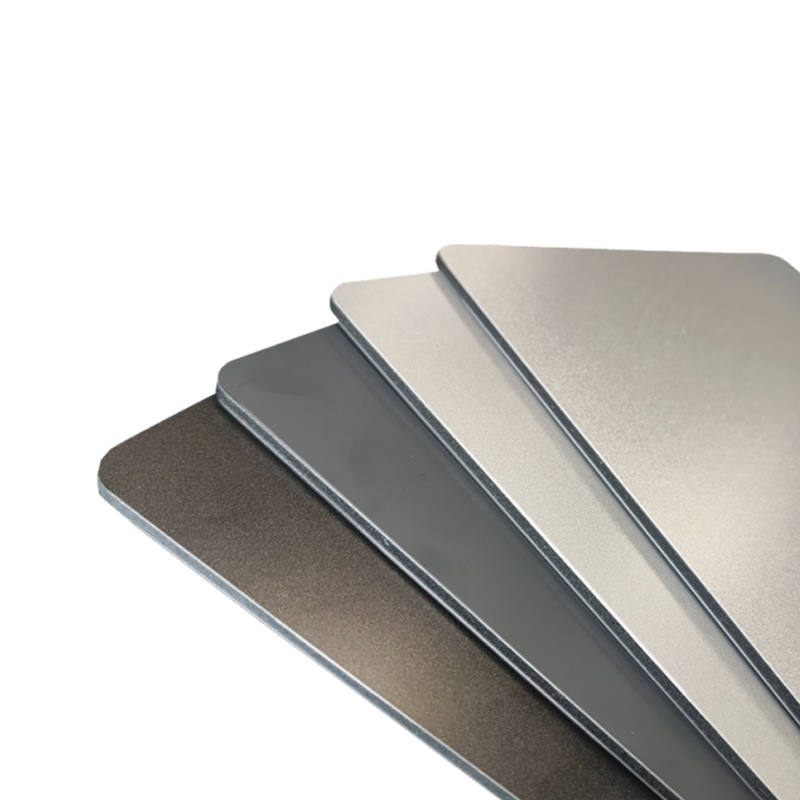
Welcome to Vbond
Metallic, Matte, or Gloss: Selecting the Right Finish for Your Aluminum Composite Panels
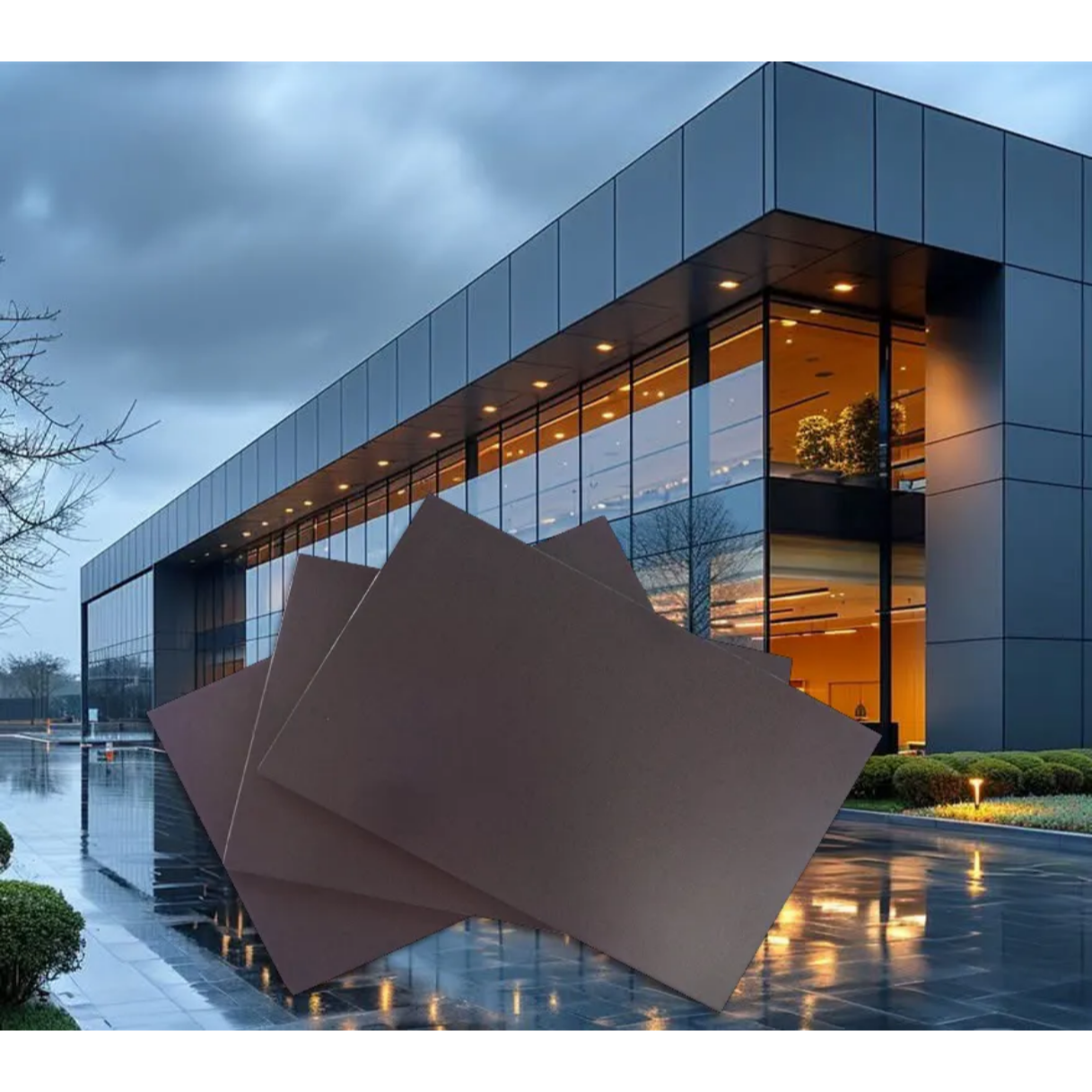
When specifying aluminum composite panels (ACPs) for a building facade, color often receives the most attention. Yet there is another variable that profoundly influences the final appearance, durability, and maintenance requirements of the cladding: finish type.
The choice between metallic, matte, and gloss finishes is far more than an aesthetic preference. Each finish interacts with light differently, responds to environmental conditions uniquely, and carries distinct implications for installation quality, long-term durability, and cleaning protocols. For procurement professionals and specifiers, understanding these differences is essential to ensuring that the finished facade not only meets design intent but also performs reliably over decades of service.
This article provides a comprehensive guide to selecting the right finish for your aluminum composite panel project, balancing visual impact with practical considerations.
Understanding ACP Finishes: The Basics
Before comparing finish types, it is important to understand what defines them. The finish of an aluminum composite panel is determined by the coating system applied to the aluminum skins—typically high-performance PVDF (polyvinylidene fluoride) or polyester coatings—and the surface texture or reflectivity engineered into that coating.
Finish Type | Characteristics | Typical Gloss Level (60°) |
Gloss | Highly reflective, mirror-like surface | 70–85+ GU |
Semi-Gloss | Balanced reflectivity, moderate sheen | 30–70 GU |
Matte | Low reflectivity, subtle, non-glare surface | 5–25 GU |
Metallic | Reflective with embedded metallic pigments | Varies (typically 20–50 GU) |
1. Gloss Finish: High Impact, High Visibility
Gloss finishes are characterized by their high reflectivity and smooth, mirror-like appearance. They create a striking visual impact, emphasizing the modernity and precision of the building envelope.
Advantages
- Visual Drama: Gloss finishes catch and reflect light dramatically, creating dynamic facades that change appearance throughout the day. They are particularly effective for accent elements, entryways, and buildings intended to stand out.
- Perceived Quality: A high-gloss finish conveys a sense of precision, cleanliness, and premium quality. It is often associated with high-end commercial and luxury residential projects.
- Ease of Cleaning: Smooth, non-porous gloss surfaces resist dirt adhesion and can be cleaned easily with standard methods.
Challenges
- Surface Imperfections: Gloss finishes ruthlessly reveal every imperfection—scratches, waves, oil canning, dust, and fingerprints. Installation quality must be impeccable, and handling requires extreme care to avoid surface damage.
- Glare Issues: Highly reflective facades can create unwanted glare for neighboring buildings, pedestrians, and drivers. Some municipalities have restrictions on exterior gloss levels for this reason.
- Heat Absorption: While gloss finishes reflect some solar radiation, dark gloss colors can still absorb significant heat, contributing to thermal expansion concerns.
- Installation Sensitivity: Any inconsistency in panel flatness or joint alignment becomes immediately apparent on gloss surfaces.
Best Applications
- Accent elements and feature walls
- High-end retail and luxury residential
- Projects where strict quality control during installation is assured
- Buildings where glare can be managed through orientation or shielding
2. Matte Finish: Subtle Sophistication
Matte finishes have surged in popularity in recent years, driven by contemporary architectural trends favoring subtlety, texture, and reduced reflectivity. Matte surfaces offer a low-sheen, non-glare appearance that emphasizes form over reflection.
Advantages
- Minimized Imperfections: Matte finishes are exceptionally forgiving. Minor surface irregularities, dust, and handling marks are far less visible than on gloss surfaces. This makes Matte an excellent choice for large-scale facades where absolute flatness cannot be guaranteed.
- No Glare: Matte finishes eliminate glare concerns, making them ideal for buildings in dense urban environments, near roadways, or in residential neighborhoods where light pollution is a consideration.
- Contemporary Aesthetic: The soft, velvety appearance of matte finishes aligns with current design trends favoring understated elegance and material authenticity.
- Consistent Appearance: Matte finishes maintain a consistent appearance across viewing angles, unlike gloss or metallic finishes that can shift dramatically with lighting.
Challenges
- Fingerprint Susceptibility: Matte finishes can show fingerprints, smudges, and water spots more readily than gloss finishes, particularly in high-touch areas or on lower elevations. Some manufacturers offer anti-fingerprint matte coatings to address this.
- Cleaning Considerations: While durable, matte surfaces may require specific cleaning protocols to avoid streaking or uneven sheen development over time.
- Perceived Value: In some markets, matte finishes are perceived as less premium than high-gloss or metallic alternatives, though this perception is changing rapidly.
Best Applications
- Large-scale residential facades
- Office buildings and institutional projects
- Buildings in dense urban environments where glare control is critical
- Projects where installation tolerances may be less precise
3. Metallic Finish: Depth and Dimensionality
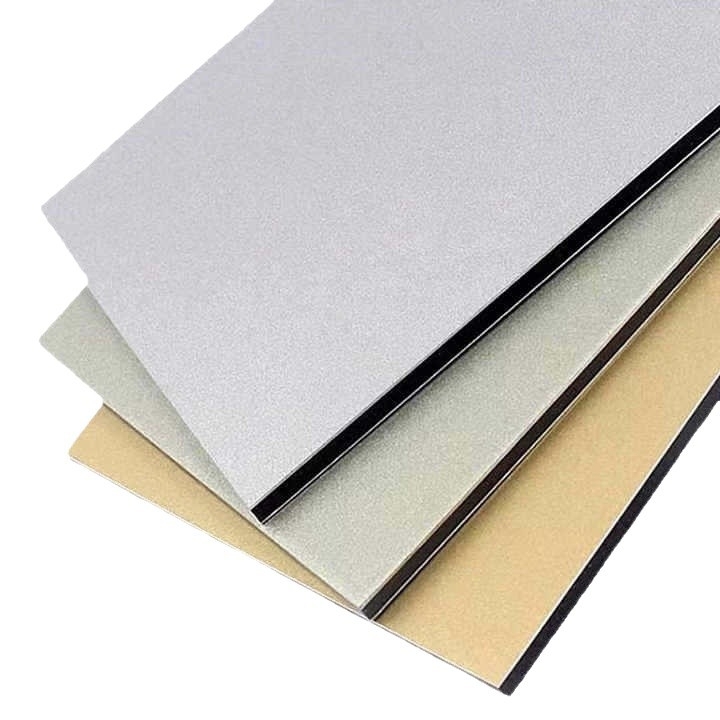
Metallic finishes incorporate fine metallic pigments (typically aluminum flakes or mica) into the coating system, creating a surface that sparkles, shifts, and reflects light with depth and dimensionality. These finishes are often identified by RAL 900-series colors (e.g., RAL 9006 White Aluminum, RAL 9007 Gray Aluminum) but are also available in custom colors with metallic effects.
Advantages
- Visual Depth: Metallic finishes create a luminous, dynamic appearance that changes with lighting conditions and viewing angles. They add sophistication and a sense of movement to facades.
- Distinctive Identity: Buildings clad in metallic finishes stand out with a unique, high-end character that is difficult to achieve with solid colors.
- Hides Minor Imperfections: The reflective sparkle of metallic pigments can help mask minor surface inconsistencies better than solid gloss finishes.
Challenges
- Batch-to-Batch Consistency: Metallic pigments are difficult to control consistently across production runs. Even slight variations in pigment orientation, coating thickness, or curing conditions can result in visible color differences between batches.
- Directional Appearance: Metallic finishes can appear darker or lighter, warmer or cooler, depending on the viewing angle and lighting direction. This requires careful consideration of facade orientation and full-scale mock-ups.
- Higher Cost: Metallic coatings typically carry a premium over solid colors due to the cost of pigments and the complexity of application.
- Repair and Replacement: Matching an existing metallic finish for repairs or additions is exceptionally challenging. Specifying spare panels at the time of original installation is strongly recommended.
Best Applications
- Signature buildings and architectural landmarks
- Corporate headquarters and premium commercial projects
- Accent elements combined with solid color panels
- Projects where future panel replacement is unlikely or spare panels are procured upfront
Comparison Matrix: Key Decision Factors
Factor | Gloss | Matte | Metallic |
Visual Impact | High, dramatic | Subtle, understated | Dynamic, luminous |
Imperfections Hiding | Poor (reveals everything) | Excellent | Good (due to sparkle) |
Glare Potential | High | None | Moderate |
Fingerprint Visibility | Low | Moderate | Low to moderate |
Batch Consistency | Good | Good | Critical concern |
Installation Tolerance | Very tight | Moderate | Tight |
Maintenance | Easy cleaning | Requires care to avoid streaks | Easy cleaning |
Cost | Standard | Standard | Premium |
Trend Status | Established | Rapidly growing | Niche, high-end |
Technical Considerations Beyond Aesthetics
Coating System Matters
The durability of any finish depends on the underlying coating system. For exterior applications, PVDF (70% Kynar® or equivalent) is the industry standard for longevity, color retention, and chalk resistance. Polyester coatings are suitable for interior applications or low-rise buildings in mild climates, but do not offer the same long-term performance.
Gloss Level Consistency
When specifying gloss or matte finishes, confirm the manufacturer’s gloss tolerance. Variations of ±5 GU are typical; larger variations can result in noticeable differences between panels. Request spectrophotometric reports that include gloss measurements.
Heat and Light Interaction
- Gloss dark colors: Can create concentrated glare and absorb significant heat. Consider A2 mineral-core panels for thermal stability.
- Matte dark colors: Absorb heat but without the glare issue. Ensure adequate ventilation behind the facade.
- Metallic finishes: Reflect some solar radiation but can still heat significantly. The orientation of metallic flakes affects reflectivity.
Maintenance Planning
Develop a maintenance plan that aligns with the chosen finish:
- Gloss: Regular cleaning with soft cloths and non-abrasive cleaners to preserve reflectivity.
- Matte: Clean with consistent methods to avoid creating uneven sheen. Avoid waxes or polishes that add gloss.
- Metallic: Use gentle cleaners that do not disturb the metallic pigment orientation.
Decision Framework: Which Finish is Right for Your Project?
Choose Gloss If:
- You want maximum visual impact and reflectivity
- The building has a prominent location where it should stand out
- Installation quality will be exceptionally high
- Glare can be managed through building orientation or site conditions
- The project is high-end commercial, retail, or luxury residential
Choose Matte If:
- You prioritize subtle, contemporary elegance
- Glare is a concern due to the site context
- Large-scale facades require a forgiving surface
- Installation tolerances may be less precise
- The project is residential, office, or institutional
Choose Metallic If:
- You seek a distinctive, premium appearance
- The project is a signature building or corporate headquarters
- Budget allows for premium coating systems
- You can procure spare panels at installation for future needs
- You will conduct a full-scale mock-up to verify appearance
The Importance of Mock-Ups
Regardless of finish selection, a full-scale mock-up is essential for any project where finish appearance is critical. For metallic and high-gloss finishes, mock-ups are non-negotiable. Evaluate mock-ups under different lighting conditions—direct sun, overcast, morning, evening—and from multiple viewing distances and angles. This is the only way to confirm that the selected finish delivers the intended visual outcome.
Conclusion
The choice between metallic, matte, and gloss finishes for aluminum composite panels is a decision that balances aesthetics, performance, installation quality, and long-term maintenance. There is no universally correct choice—only the choice that aligns with your project’s specific context, budget, and performance requirements.
For procurement professionals, the key is to approach finish selection with the same rigor applied to structural specifications: understand the technical characteristics, verify manufacturer capabilities, request physical samples and mock-ups, and ensure that warranty coverage aligns with the selected finish type. When these steps are followed, the finish you choose will not only look exceptional on day one but will continue to perform and impress for decades to come.