Welcome to Vbond
Mimicry Mastery: Achieving Realistic Wood, Stone, and Metal Looks with ACP
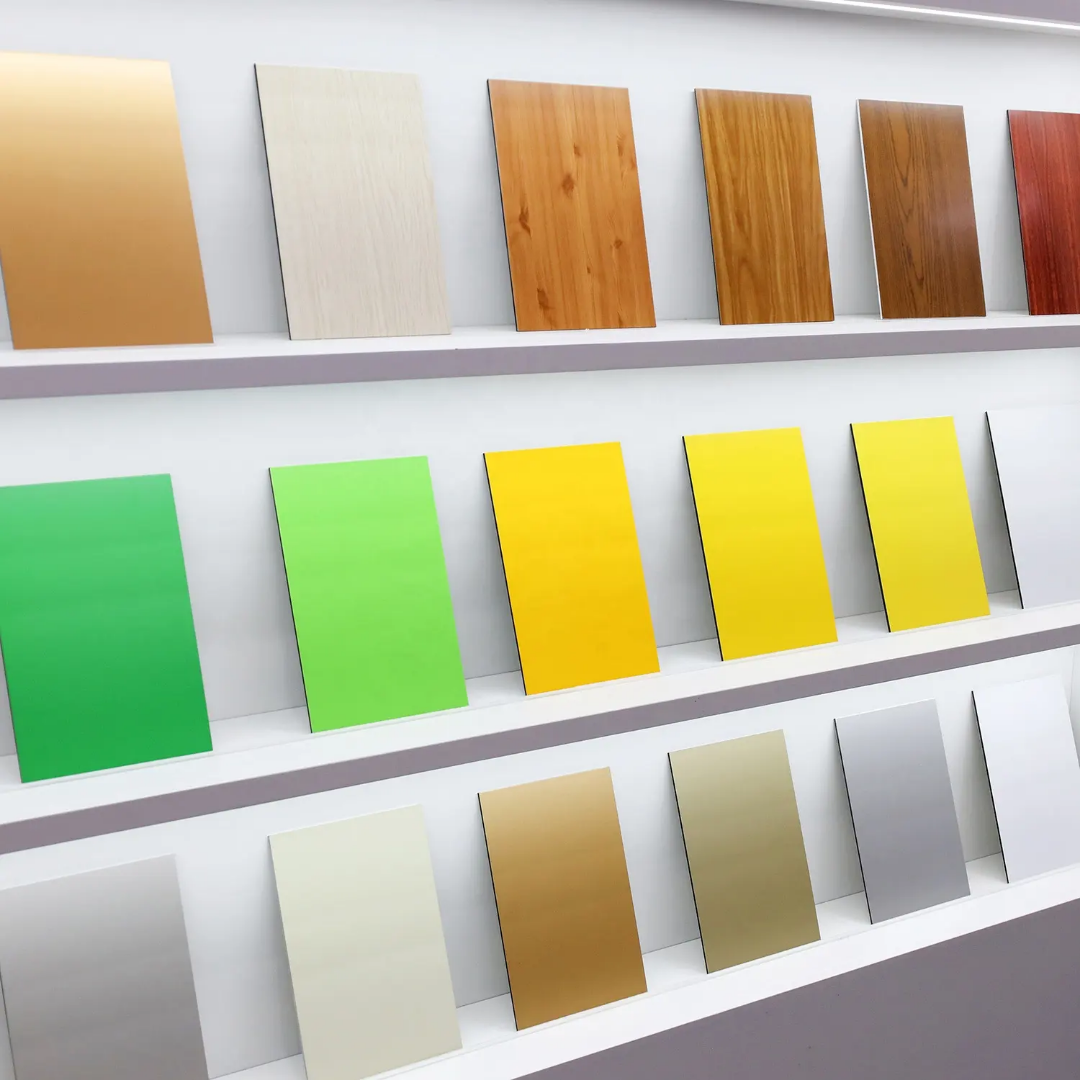
In architectural design, the desire for the natural warmth of wood, the timeless gravitas of stone, and the industrial chic of metal often meets the practical constraints of budget, weight, sustainability, and durability. Aluminum Composite Panel (ACP) technology has masterfully bridged this gap, offering an unparalleled level of aesthetic mimicry that delivers the authentic look and feel of premium materials without their inherent drawbacks. This article explores the advanced techniques and benefits behind achieving hyper-realistic wood, stone, and metal finishes on ACP, a solution redefining modern facades and interiors.
Beyond Imitation: The Science of Authentic Replication
Modern ACP finishes are not mere prints; they are the product of sophisticated manufacturing processes. Through a combination of high-resolution digital printing, advanced coating technologies, and 3D texturing, manufacturers can replicate the subtlest grain patterns, mineral veining, and metallic luster with astonishing accuracy. This technical mastery allows architects to specify the aesthetic of any natural material with the confidence of ACP's engineered performance.
The ACP Advantage: Performance Meets Aesthetics
Choosing ACP with realistic finishes over natural materials offers a compelling array of technical and practical benefits:
Unmatched Durability & Consistency: Unlike natural wood that warps and rots, or stone that can stain and spall, ACP finishes are UV-stable, weather-resistant, and corrosion-proof. They provide a consistent appearance across all panels, eliminating the color variation and sourcing challenges of natural materials.
Significantly Reduced Weight & Structural Cost: ACP panels are a fraction of the weight of stone or solid metal cladding. This dramatically reduces load on the building structure, simplifies installation, and can lead to significant savings in supporting framework and labor.
Enhanced Sustainability: By using recycled aluminum cores and minimizing the extraction of natural resources, ACP offers an eco-friendly cladding alternative. It also contributes to building energy efficiency through potential thermal breaks.
Superior Fire Safety: Many realistic ACP finishes are available on fire-rated A2/s1-d0 or FR-grade cores, providing a level of fire safety that natural wood cannot match, a critical consideration for modern building codes.
Design Flexibility & Ease of Installation: ACP can be easily fabricated, curved, and folded, allowing for creative applications impossible with rigid stone or heavy metal sheets. Its prefabricated panel system ensures faster, more predictable installation timelines.
A Deep Dive into Material Mimicry
1. Wood-Effect ACP: Warmth Without the Worry
Advanced wood grain ACP captures the organic texture and deep, rich tones of teak, oak, walnut, and cedar. Through embossing and multi-layer printing, the panels achieve a tactile surface that mimics real wood grain. This is the ideal solution for projects seeking biophilic design, warmth in commercial spaces, or a rustic-modern aesthetic without maintenance concerns like sealing, termites, or fading.
2. Stone-Effect ACP: Timeless Elegance, Modern Performance
Stone finish ACP replicates the grandeur of marble, granite, slate, and travertine. The technology captures intricate veining, crystal patterns, and natural color blends. It allows for the creation of monolithic, luxurious facades or interiors at a scale and consistency unattainable with quarried stone, perfect for corporate lobbies, high-end retail, and institutional buildings.
3. Metal-Effect ACP: Industrial Aesthetic, Enhanced Performance
Metallic finish ACP offers the sleek appearance of brushed aluminum, corten steel, zinc, or brass. Special metallic coatings and anodized-effect finishes provide a lustrous, premium appearance with superior corrosion resistance and color uniformity. This is often a more cost-effective and lightweight solution for achieving a high-tech or industrial look.
Specification and Application Best Practices
To ensure optimal results, consider these guidelines:
Select the Right Finish Type: Choose between PVDF-coated (superior outdoor durability), PE-coated (cost-effective for interiors), or advanced nano-ceramic coatings for maximum stain and graffiti resistance.
Prioritize Texture: For the highest realism, specify embossed or 3D textured ACP. The tactile surface, which catches light and shadow like the real material, is crucial for defeating the "visual flatness" of simple prints.
Consider Panel Size and Joints: Design the facade layout to minimize visible seams. Using larger panel formats and strategic joint detailing can enhance the illusion of a continuous material like stone or metal.
Partner with Expert Fabricators: Work with fabricators experienced in handling and forming finished ACP to avoid damaging the delicate surface textures during cutting and bending.
Conclusion: The Intelligent Choice for Authentic Design
The mastery of material mimicry in ACP represents a triumph of material science in architecture. It liberates designers from the technical limitations of natural materials while fully embracing their aesthetic and emotional appeal. By specifying realistic finish ACP, architects and builders no longer have to choose between beauty and performance. They can achieve the authentic, sophisticated look of wood, stone, or metal in a product that is lighter, safer, more durable, and sustainably smarter. It is the definitive solution for creating timeless, expressive architecture built for the future.






