Welcome to Vbond
Navigating the Global Fire Safety Maze for Aluminum Composite Panels
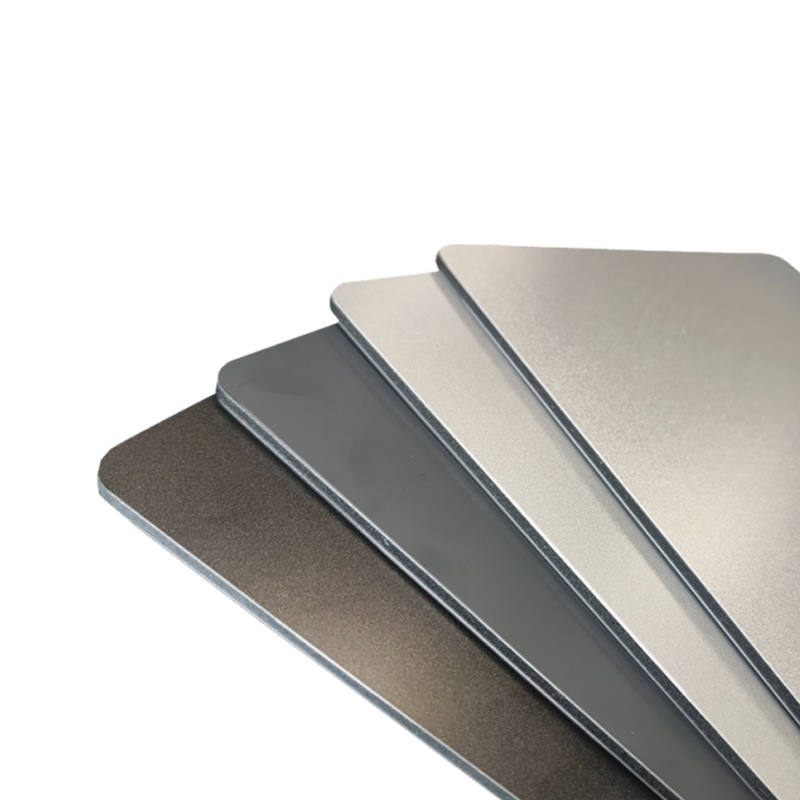
In the modern age of architecture, the Aluminum Composite Panel (ACP) has become a staple for architects and developers. It offers unparalleled versatility, lightweight durability, and aesthetic freedom. However, for professional procurement managers and contractors, sourcing these materials has become increasingly complex.
The global regulatory landscape for fire safety is a fragmented maze. What passes a standard in one country may lead to catastrophic failure—or legal liability—in another. To mitigate risk and ensure compliance, purchasers must move beyond aesthetics and dive deep into the fire performance characteristics of ACP systems.
This guide serves as a roadmap for procurement specialists navigating the complexities of fire-rated aluminum composite panels, ensuring that the products you source meet the highest safety benchmarks.
Understanding the Core: PE vs. FR vs. A2
The fire behavior of an aluminum composite panel is determined almost entirely by its core material. When evaluating suppliers, professional buyers must distinguish between three primary tiers:
1. Polyethylene (PE) Core
Standard PE core panels are widely used for interior applications or low-rise buildings where strict fire codes are not enforced. While cost-effective, the polyethylene core is combustible. In the event of a fire, these panels can contribute significantly to flame spread and smoke development.
2. Fire Retardant (FR) Core
Often classified as B-s1, d0 under European standards (EN 13501-1) or Class A under ASTM standards, FR cores use mineral-filled thermoplastic materials. These panels are designed to self-extinguish when the heat source is removed. They are the standard choice for high-rise buildings in many regions, though specifiers must verify local height restrictions.
3. Non-Combustible (A2) Core
The highest tier of safety is the A2-s1, d0-rated panel. These products utilize a non-combustible mineral core, often composed of over 90% inorganic materials. When exposed to fire, these panels produce virtually no smoke or flaming droplets and do not contribute to the fire load of a building. For procurement officers managing projects in the Middle East, Southeast Asia, or the EU, A2 core aluminum composite panels are rapidly becoming the mandatory specification for high-risk applications.
Decoding Global Fire Testing Standards
One of the biggest challenges in procurement is the lack of a universal global standard. A panel labeled "Fire Rated" in one market may not meet the legal requirements in another. Here is how to interpret the key certifications:
- EN 13501-1 (European Union): The European classification system is widely considered the gold standard. Look for A2-s1, d0. This indicates non-combustibility (A2), no smoke production (s1), and no flaming droplets (d0).
- ASTM E84 / NFPA 285 (USA): In the United States, simply passing the ASTM E84 (Surface Burning Characteristics) is often insufficient for high-rise buildings. Professional buyers must demand NFPA 285 compliance, which tests the entire wall assembly (including insulation and attachments) for fire propagation, rather than just the panel itself.
- BS 476 (United Kingdom): While the UK has moved toward the EU system post-Brexit for many new builds, BS 476 Part 6 & 7 remain critical for refurbishment projects. These tests measure fire propagation and surface spread of flame.
- GB/T & CNS (China & Taiwan): For projects in East Asia, understanding the grading systems like GB 8624 (China) is essential, which closely mirrors the European A2, B1, and B2 classifications but with local enforcement nuances.
Why "System Compliance" Matters More Than the Panel
For the professional procurement officer, a critical lesson is that a fire-safe facade is not defined by the panel alone. It is defined by the system.
A non-combustible A2 panel can fail a fire test if it is paired with combustible insulation, the wrong type of aluminum substructure, or improper pressure-equalized rain screen details.
When vetting suppliers, request:
1. System Certification: Look for test reports that include the entire assembly (panel, insulation, brackets, sealants).
2. Traceability: Ensure the supplier can provide batch numbers and material certificates that tie back to the original fire test reports.
3. Third-Party Verification: Avoid "self-certified" manufacturers. Prefer suppliers who utilize recognized bodies like UL (Underwriters Laboratories), Intertek, or Warringtonfire.