Welcome to Vbond
Selecting Aluminum Composite Panels that Resist Graffiti and Pollution
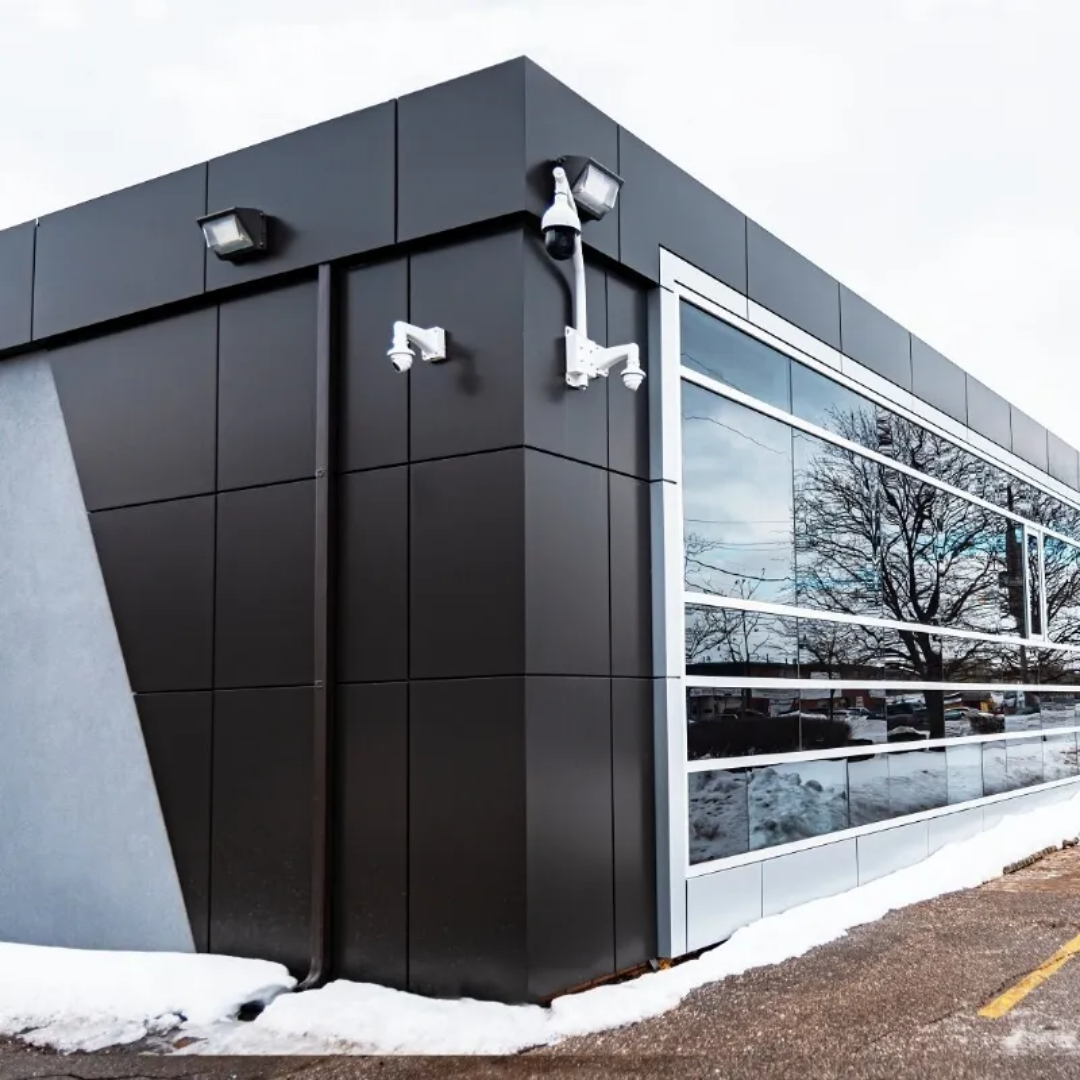
For building owners and facility managers, few things diminish a property's value faster than a facade marred by graffiti tags, stubborn exhaust stains, or atmospheric soiling. Traditional cleaning methods—chemical scrubbing, pressure washing, or repainting—are expensive, labor-intensive, and often damage the underlying finish.
The solution lies in modern material science. Advanced Aluminum Composite Panels (ACPs) equipped with nano-technology coatings and specialized surface treatments offer a proactive defense against vandalism and environmental pollution. These panels are designed so that unwanted marks simply do not adhere, and dirt washes away effortlessly.
For procurement professionals, selecting these high-performance panels requires understanding the specific coating technologies that deliver graffiti resistance, self-cleaning properties, and long-term durability.
The Science Behind Resistant Surfaces
Standard ACPs rely on PVDF (polyvinylidene fluoride) or polyester coatings that provide basic weather resistance but remain vulnerable to porous staining and permanent markers. Resistant panels, however, employ advanced nanotechnology to fundamentally alter the surface's molecular behavior.
Nano PVDF Coating Technology
Nano coatings are applied as a specialized top layer—often a fourth layer over the standard primer, base coat, and PVDF finish. This nano-scale treatment seals microscopic air gaps between paint molecules, creating an exceptionally dense, non-porous surface.
The result is a dual-action defense:
- Hydrophobic (Water-Repellent): Water beads up and rolls off rather than spreading and soaking in.
- Lipophobic (Oil-Repellent): Oils, grease, and the solvents found in permanent markers and spray paints cannot penetrate the surface.
Without pores for the paint or dirt to grip, pollutants and graffiti sit loosely on top of the panel rather than bonding with it.
How Graffiti-Resistant ACPs Perform
Graffiti is a persistent challenge for urban buildings, transit stations, and public facilities. Traditional removal requires harsh chemical solvents that can strip underlying coatings and generate hazardous waste.
Panels with true anti-graffiti properties offer a different experience. The nano-coated surface creates a barrier that repels the binding agents in permanent markers and spray paints.
Verification Method: The Permanent Marker Test
A reliable way to confirm genuine nano anti-graffiti performance is a simple marker test. On a standard panel, permanent ink dries and bonds permanently. On a quality nano-coated panel, the ink sits on the surface and can be wiped away completely with a dry cloth or tissue—no chemical cleaners required.
This capability translates directly into operational savings. Maintenance staff can remove fresh tags instantly without specialized training, hazardous chemicals, or costly professional cleaning services.
Self-Cleaning and Anti-Pollution Performance
Beyond vandalism, urban pollution—exhaust soot, industrial fallout, airborne grease, and carbon deposits—gradually dulls building facades, creating dark streaks and a uniformly aged appearance.
Nano self-cleaning ACPs address this through two complementary mechanisms:
1. Contaminant Resistance
The compact, non-porous coating prevents pollutants from adhering to the surface. Dust, mud, and oil cannot find purchase, significantly reducing the rate of soiling.
2. Rain-Triggered Cleaning
When rain falls on a standard panel, water spreads into a thin film that dries unevenly, leaving water spots and concentrated dirt lines. On a hydrophobic nano-coated panel, rain forms spherical droplets that roll down the surface, picking up and carrying away loose dirt particles as they go.
This self-cleaning effect is particularly valuable for hard-to-access high-rise facades, where regular washing is expensive and logistically challenging. In many environments, natural rainfall maintains a clean appearance without any manual intervention.
Durability and Environmental Resistance
The same nanotechnology that repels graffiti also provides broader protection against environmental stressors, extending the panel's service life.
UV and Weather Resistance
Nano PVDF coatings offer superior resistance to ultraviolet radiation compared to standard PVDF. The dense coating structure blocks UV penetration that causes fading, chalking, and resin degradation. This results in longer color retention and gloss preservation.
Chemical and Corrosion Resistance
These advanced coatings withstand exposure to acids, alkalis, and industrial chemicals. For buildings in coastal environments or heavy industrial zones, this chemical resistance prevents the pitting, etching, and discoloration that plague standard panels.
Scratch and Abrasion Resistance
The nano-engineered surface achieves higher pencil hardness ratings (often 3H or greater), protecting against damage during installation and daily wear from cleaning or incidental contact.
Economic Benefits for Building Owners
While graffiti-resistant and self-cleaning ACPs typically carry a premium over standard panels, the lifecycle cost analysis strongly favors the advanced product.
Cost Factor | Standard ACP | Resistant ACP |
Graffiti Removal | Chemical cleaners, scrubbing, potential recoating | Simple wiping with cloth |
Cleaning Frequency | Regular professional cleaning required | Rain self-cleans; less frequent manual cleaning |
Repair Costs | Scrubbing may damage coating; panels may need replacement | Surface remains intact; no coating damage from cleaning |
Labor Requirements | Skilled maintenance staff with chemical handling training | General staff; no chemicals needed |
Longevity | Standard 10-15 year lifespan | Extended 20+ year lifespan with preserved appearance |
The reduced maintenance burden also extends to cleaning products. Because permanent marker inks and spray paints wipe away without solvents, facilities avoid purchasing, storing, and disposing of hazardous chemical cleaners—an environmental and cost benefit.
Applications Best Suited for Resistant Panels
While resistant ACPs benefit any exterior application, certain environments demand these advanced surfaces:
Public Transit Infrastructure – Train stations, bus shelters, and subway entrances face constant graffiti risk. Resistant panels allow rapid removal of tags between service cycles.
Urban Commercial Buildings – Street-level retail facades and office lobbies in high-traffic areas benefit from both graffiti protection and pollution resistance.
Industrial Facilities – Manufacturing plants and warehouses in polluted zones require the chemical and soot resistance these panels provide.
Coastal and High-Humidity Locations – The hydrophobic properties prevent moisture-related staining and salt crystallization damage.
Healthcare and Education Facilities – Easy cleaning without harsh chemicals supports hygiene and safety requirements.
What Procurement Professionals Should Specify
To ensure you receive genuine graffiti-resistant and self-cleaning performance, incorporate these requirements into procurement documents:
1. Specify Nano PVDF Coating – Require certification that the coating uses true nanotechnology with both hydrophobic and lipophobic properties, applied as a distinct top layer over standard PVDF.
2. Require Permanent Marker Testing – Request demonstration or third-party verification that oil-based permanent marker inks can be removed by dry wiping without residue.
3. Demand Accelerated Weathering Data – Obtain test reports (per ASTM D2244 or ISO 16474) showing color change (ΔE) and gloss retention after UV exposure, confirming that the nano properties do not degrade over time.
4. Verify Hydrophobic Performance – Request contact angle measurements confirming water bead formation (typically >110 degrees for true hydrophobic surfaces).
5. Confirm Warranty Coverage – Ensure the manufacturer's warranty explicitly covers graffiti resistance and self-cleaning performance, not just standard coating durability.
Conclusion
Selecting aluminum composite panels with advanced nano-technology coatings is a strategic investment in long-term building appearance and reduced operational costs. These panels transform the maintenance dynamic—graffiti becomes a simple wipe, pollution washes away with rain, and the facade retains its original brilliance for decades.
For procurement professionals evaluating options for vulnerable or high-visibility projects, the specification should prioritize verified nano PVDF coatings with documented hydrophobic, lipophobic, and anti-graffiti properties. The upfront premium delivers substantial returns through eliminated chemical purchases, reduced labor hours, extended panel life, and preserved property value.