Welcome to Vbond
Spotting Quality: How to Tell Premium ACP from Substandard Panels
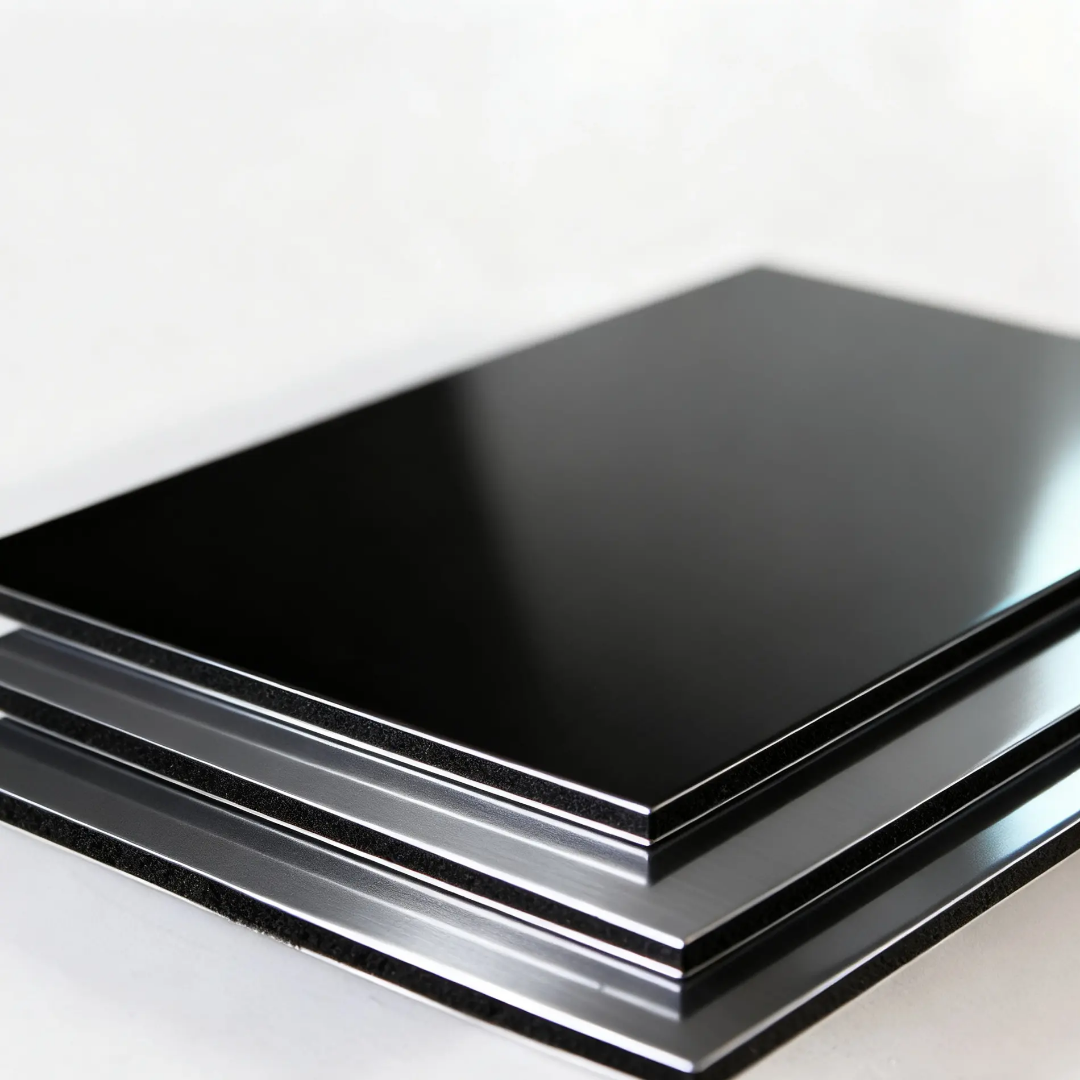
Selecting the right Aluminum Composite Panel (ACP) is a critical decision that impacts a building's aesthetics, safety, durability, and long-term value. With a vast range of products on the market, distinguishing premium panels from inferior imitations is an essential skill for architects, contractors, and specifiers. This guide provides a detailed, actionable framework for evaluating ACP quality, helping you make an informed investment that stands the test of time.
1. The Foundation: Core Material & Fire Safety Certification
This is the most critical differentiator, especially for exterior cladding.
Premium ACP: Uses a fire-retardant mineral core (often labelled FR or A2) that is non-combustible or highly resistant to flame spread. The supplier provides readily accessible, independently certified test reports from renowned laboratories (e.g., for NFPA 285, BS 8414, or EN 13501-1 Class). The certification details are traceable and unambiguous.
Substandard ACP: May use a standard polyethylene (PE) core in applications requiring fire resistance. Documentation is often vague, missing, or features uncertified "in-house" test reports. Be wary of panels that lack clear, project-specific fire compliance documentation.
Key Check: Demand and verify the official fire safety certificate for the exact product you are purchasing.
2. The Shield: Aluminum Skin & Protective Coating
The quality of the aluminum and its coating dictates weather resistance, color retention, and appearance.
Premium ACP:
Skin Thickness: Consistent and true to specification (e.g., a nominal 0.5mm actually measures very close to 0.5mm).
Coating: Features a high-quality PVDF (Kynar 500®/Hylar 5000®) or FEVE resin-based coating with a minimum thickness of 25 microns for exterior use. The finish is even, with excellent color consistency and a deep, rich metallic sheen if applicable.
Warranty: Backed by a transferable, long-term (e.g., 20-25 year) warranty against fading and chalking** from the coating manufacturer.
Substandard ACP:
Skin Thickness: May be under gauge or inconsistent.
Coating: Often uses inferior polyester (PE) or low-PVDF content coatings that chalk, fade, and degrade rapidly. The finish may appear dull, hazy, or have visible color banding or streaks.
Warranty: Offers only a short, generic warranty, if any.
Key Check: Request a physical sample. Perform a simple acetone rub test (check manufacturer guidance first): a quality PVDF coating will resist acetone, while a polyester coating will quickly soften and smear.
3. The Structure: Flatness, Uniformity & Fabrication
Quality is evident in the panel's physical characteristics and fabrication precision.
Premium ACP: The panel is perfectly flat and rigid, with no oil-canning or waviness. The cut edges are clean, sharp, and free of burrs. The panel thickness is uniform across its entire surface. Any bends or folds are crisp and precise.
Substandard ACP: May exhibit noticeable oil-canning (a wavy, rippled appearance) on the flat surface. Edges can be rough or jagged. Thickness may vary, and bends may be uneven or cracked.
Key Check: Lay a straight edge across the face of a sample panel and hold it up to the light to check for flatness.
4. The Proof: Documentation & Traceability
Reputable manufacturers stand behind their products with complete transparency.
Premium ACP: Provides a comprehensive technical data sheet (TDS), material safety data sheet (MSDS), and mill certificates for the aluminum coil. All claims are backed by verifiable ISO 9001 quality management and ISO 14001 environmental management certifications.
Substandard ACP: Documentation is sparse, generic, or non-existent. There is no verifiable trail for raw materials.
Key Check: Ask for the specific coil coating manufacturer's name and the mill certificate for the aluminum. A reluctance to provide this is a major red flag.
5. The Professionalism: Supplier Expertise & Support
The supplier is as important as the product.
Premium ACP Supplier: Offers extensive technical support, provides detailed shop drawing reviews, and shares proven installation guidelines. They have a portfolio of successful, long-standing projects and are knowledgeable about local building codes.
Substandard ACP Supplier: Acts primarily as an order-taker, with little to no technical advisory capacity. They may offer prices that seem "too good to be true" without substantiating why.
Key Check: Ask for references from similar completed projects and inquire about their technical support process for onsite issues.
Conclusion: Quality is an Investment, Not Just a Cost
While premium ACP may command a higher initial cost, it pays dividends in long-term durability, safety compliance, aesthetic permanence, and reduced maintenance liabilities. Substandard panels risk catastrophic failure, costly recladding, and serious safety violations.
The Ultimate Checklist:
✅ Verified fire certification for your project type.
✅ High-performance PVDF/FEVE coating with warranty.
✅ Excellent flatness and fabrication finish.
✅ Full material traceability and documentation.
✅ A knowledgeable, supportive supplier.
By applying these forensic criteria, you move beyond price alone to evaluate true value. Specify with confidence, ensuring your facade remains safe, beautiful, and high-performing for decades to come.






