Welcome to Vbond
Strategic Sourcing for Aluminum Composite Panels
Strategic Sourcing for Aluminum Composite Panels: What Large-Scale Developers Demand from Global Suppliers
The global aluminum composite panel (ACP) market, valued at approximately USD 6.4 billion, continues its upward trajectory fueled by rapid urbanization, architectural innovation, and the demand for lightweight, durable facade solutions. For large-scale developers—those managing high-rise residential towers, sprawling commercial complexes, and mixed-use urban districts—the stakes in sourcing ACPs are incredibly high. A single facade project can encompass hundreds of thousands of square meters, and choosing a global supplier is a strategic decision impacting budget, timeline, regulatory compliance, and long-term building performance.
This guide dissects the multifaceted demands of large-scale developers, moving beyond simple price comparisons to explore the critical frameworks for supplier evaluation, risk mitigation, and value optimization in the global ACP supply chain.
Mapping the Global Supply Landscape: Why China Dominates
While ACP manufacturing is a global enterprise, China has cemented its position as the world's primary sourcing hub. This dominance is not accidental; it is the result of concentrated industrial ecosystems in provinces like Shandong, Guangdong, and the Shanghai region. These hubs offer a unique convergence of factors critical for large-scale procurement:
- Vertically Integrated Supply Chains: Proximity to aluminum smelters, coil coating lines, and petrochemical suppliers for the polyethylene (PE) core reduces raw material costs and lead times. This integration allows for tighter quality control from the initial coil to the finished panel.
- Colossal Production Capacity: Top-tier manufacturers operate continuous lamination lines with monthly outputs frequently exceeding 300,000 to 500,000 square meters, a capacity essential for fulfilling large-scale contracts without crippling delays.
- Export-Ready Logistics: Factories are strategically located near major international ports like Qingdao, Shanghai, and Guangzhou, streamlining the logistics of container shipment and reducing inland transportation costs.
- Cost Efficiency: By controlling most of the production process, Chinese suppliers can offer significant cost advantages, often delivering savings of 20-30% compared to European or North American counterparts, while maintaining competitive quality.
The Developer's Demand Framework: Beyond the Price per Square Meter
For a one-off renovation, a low price might be tempting. For a large-scale developer, it is a potential liability. Sophisticated procurement teams evaluate global suppliers based on a structured framework comprising technical compliance, operational reliability, and strategic partnership potential.
1. Non-Negotiable Technical Compliance and Material Integrity
Large-scale developers are not just buying a panel; they are buying a performance guarantee. The first filter in supplier selection is rigorous technical vetting.
- Fire Safety Certification: This is the most critical demand. Following global updates in building codes, developers require panels that meet stringent fire standards. This means demanding panels with mineral-filled, fire-retardant (FR) cores classified as A2 (non-combustible) or B1 (difficult to ignite) according to standards like EN 13501-1 or ASTM E84. Suppliers must provide third-party test reports from accredited labs like SGS, Intertek, or TÜV, not just self-issued certificates.
- Superior Material Specifications: Developers demand panels built to last. Key specifications include:
- Aluminum Alloy: Preference for durable alloys like AA3003 or AA5005, with a skin thickness of at least 0.30mm to 0.50mm for exterior applications to ensure rigidity and dent resistance.
- Coating Performance: For facades exposed to harsh sunlight, **PVDF (polyvinylidene fluoride) coatings (typically 70/30) are the gold standard. Developers look for proven UV resistance, color retention (ΔE value <5 after 10 years), and performance in accelerated weathering tests (e.g., 5,000+ hours QUV).
- Peel Strength: The bond between the aluminum skin and the core is paramount. Developers demand a peel strength of >7 N/mm or 50N/ mm to prevent delamination, a catastrophic failure in facade systems.
2. Operational Reliability and Supply Chain Resilience
A delay in panel delivery can halt an entire construction site, leading to massive financial losses. Therefore, developers scrutinize a supplier's operational metrics.
- On-Time Delivery Rate: A rate consistently above 95% signals robust production planning and logistics coordination. Suppliers with documented 100% on-time delivery** records, such as Shandong Ecobuild or Shanghai Aludream, are highly prized for mission-critical projects.
- Production Capacity and Scalability: Developers need assurance that the supplier can handle the full volume of a project, which may be released in phases. They inquire about factory size, the number of production lines, and the ability to ramp up output quickly without sacrificing quality.
- Financial Stability and Longevity: A supplier's financial health is a proxy for reliability. Developers often prefer partners with a long track record and healthy online revenue figures, as this suggests they will be around to honor warranties and support future projects.
3. The Power of Customization and OEM Capabilities
Modern architectural branding demands consistency. Large-scale developers increasingly require suppliers to act as seamless extensions of their brand.
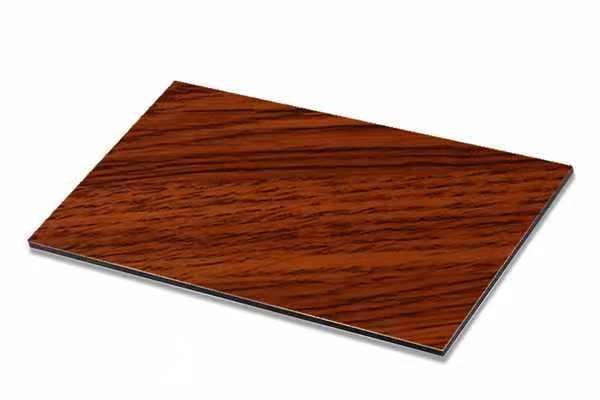
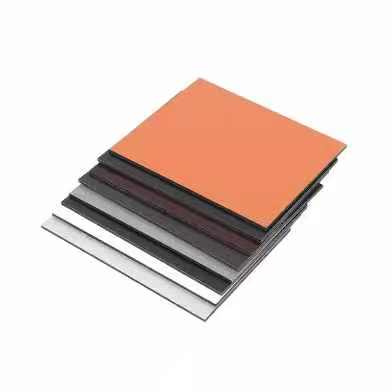
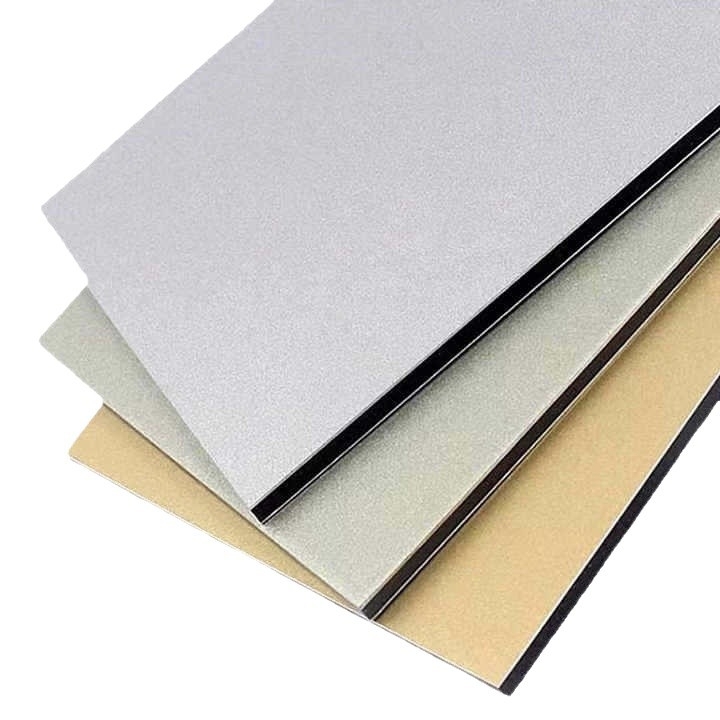
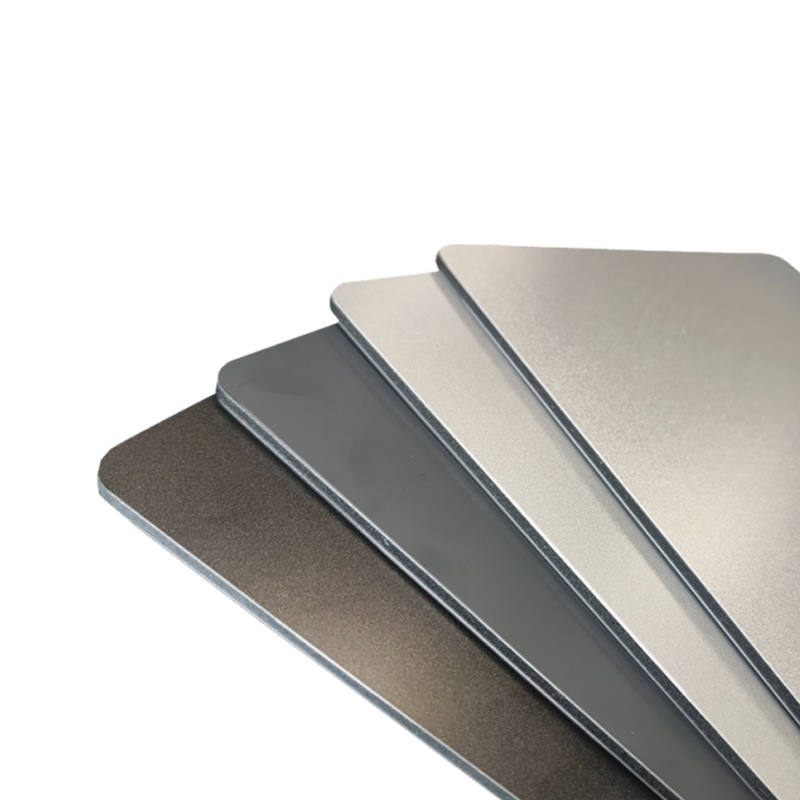
- Aesthetic Versatility: This goes beyond picking a color from a RAL chart. Developers demand precise color matching, custom surface finishes (brushed, mirror, metallic, wood/stone prints), and even digital graphic printing for branded corporate facades.
- Dimensional Flexibility: Projects often require non-standard panel sizes to achieve specific design aesthetics or to optimize material usage and reduce on-site cutting. Top suppliers offer CNC cutting for custom widths, lengths (up to 6 meters), and thicknesses (typically 2-6mm).
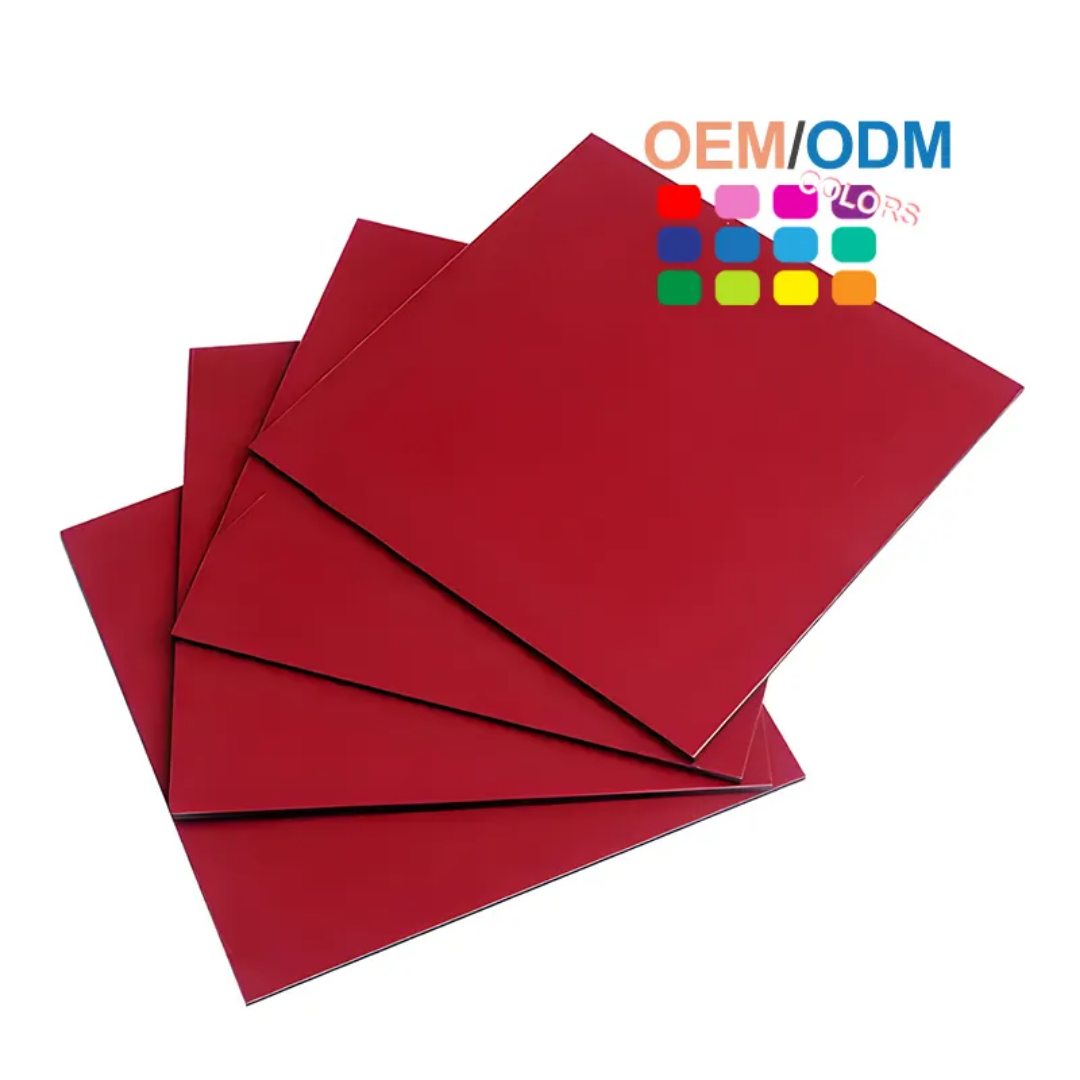
- OEM/Private Labeling: Developers and their brand-holding clients want the materials to carry their own branding. This includes custom packaging, logo printing on the protective film, and labeled edge seals, creating a professional, unified site presence.
Mitigating Risk: The Developer's Quality Assurance Protocol
To protect their investment, developers implement a multi-layered risk mitigation strategy that begins long before a container is shipped.
Pre-Qualification and Auditing
Before issuing a purchase order, developers often conduct a supplier pre-qualification. This involves sending detailed questionnaires about factory size, equipment, quality control processes, and key personnel. Virtual or physical factory audits are standard practice, allowing procurement teams to inspect lamination lines, QC labs, and raw material storage firsthand.
The Sanctity of Samples and Pilot Orders
Physical samples are non-negotiable. Developers order samples (e.g., 300x300mm) to verify color, texture, and basic construction. For major projects, they may place a pilot order (e.g., 500-1000 sqm) to assess real-world workability, including how the panels handle cutting, routing, and installation.
Third-Party Inspections
Before shipment, developers almost universally mandate a pre-shipping inspection by an independent third-party agency like SGS or Bureau Veritas. Inspectors verify:
- Dimensional accuracy against shop drawings.
- Coating thickness and uniformity.
- Flatness and freedom from surface defects.
- Packaging quality to ensure protection during sea freight.
Strategic Payment Terms and Contracts
Sophisticated buyers avoid large upfront payments. Standard terms involve a 30% deposit, with the balance paid only after the successful completion of the pre-shipment inspection. Trade assurance or letters of credit (LC) are used to secure transactions, and contracts include clear clauses for delays, defect remedies, and warranties (e.g., 10-20 years for PVDF coatings) .
Price vs. Value: A Comparative Analysis for Decision-Makers
For large-scale developers, the "price" is just the entry point. The real metric is landed cost balanced against performance and risk. The following table illustrates how different supplier profiles cater to distinct project needs, based on data from leading exporters.
Supplier Profile & Strategy | Typical Price Range (USD/sqm) | MOQ (sqm) | Key Strengths | Ideal Project Application |
Cost-Optimized Volume Player (e.g., Taizhou Vbond) | $1.90 – 8.00 | 100 | Lowest entry pricing, high on-time delivery (100%), fast response, basic customization. | Large-scale housing, warehouses, and budget-conscious commercial developments. |
Balanced Performance & Customization (e.g., Shanghai Alumetal) | $2.00 – 15.00 | 200-500 | Wide range of PVDF colors, fire-rated options, good customization, and proven export track record. | Mid-to-large commercial facades, office buildings, and retail centers. |
Premium & Design-Led Specialist (e.g., Shanghai Aludream) | $4.80 – 35.00 | 100-500 | High-end finishes (mirror, gloss), superior color fidelity, strong fire-rated (A2/B1) portfolio. | Luxury retail, high-profile architectural landmarks, corporate HQs. |
Low-MOQ & Prototyping Partner | $2.50 – 8.20 | 10-50 | Extremely low minimums, fast response (<2h), ideal for testing and small renovation projects. | Prototyping, small-scale renovations, design validation, sampling. |
Conclusion: The Partnership Paradigm in Strategic Sourcing
For large-scale developers, strategic sourcing of aluminum composite panels is no longer a transactional procurement activity; it is a partnership-driven endeavor. The demands placed on global suppliers are a reflection of the immense pressures developers face: tighter budgets, accelerated timelines, more complex designs, and unforgiving regulatory environments.
The suppliers that thrive are those that move beyond being mere vendors to become integrated solutions providers. They offer not just panels, but technical design support, robust quality assurance, supply chain transparency, and a commitment to long-term performance. By adhering to a rigorous selection framework—one that values verified technical data, operational metrics, and customization depth over the lowest initial quote—developers can secure a supply chain that delivers not just materials, but also confidence, consistency, and competitive advantage for years to come.