Welcome to Vbond
Texture Adds Value to a Standard Aluminum Composite Panel
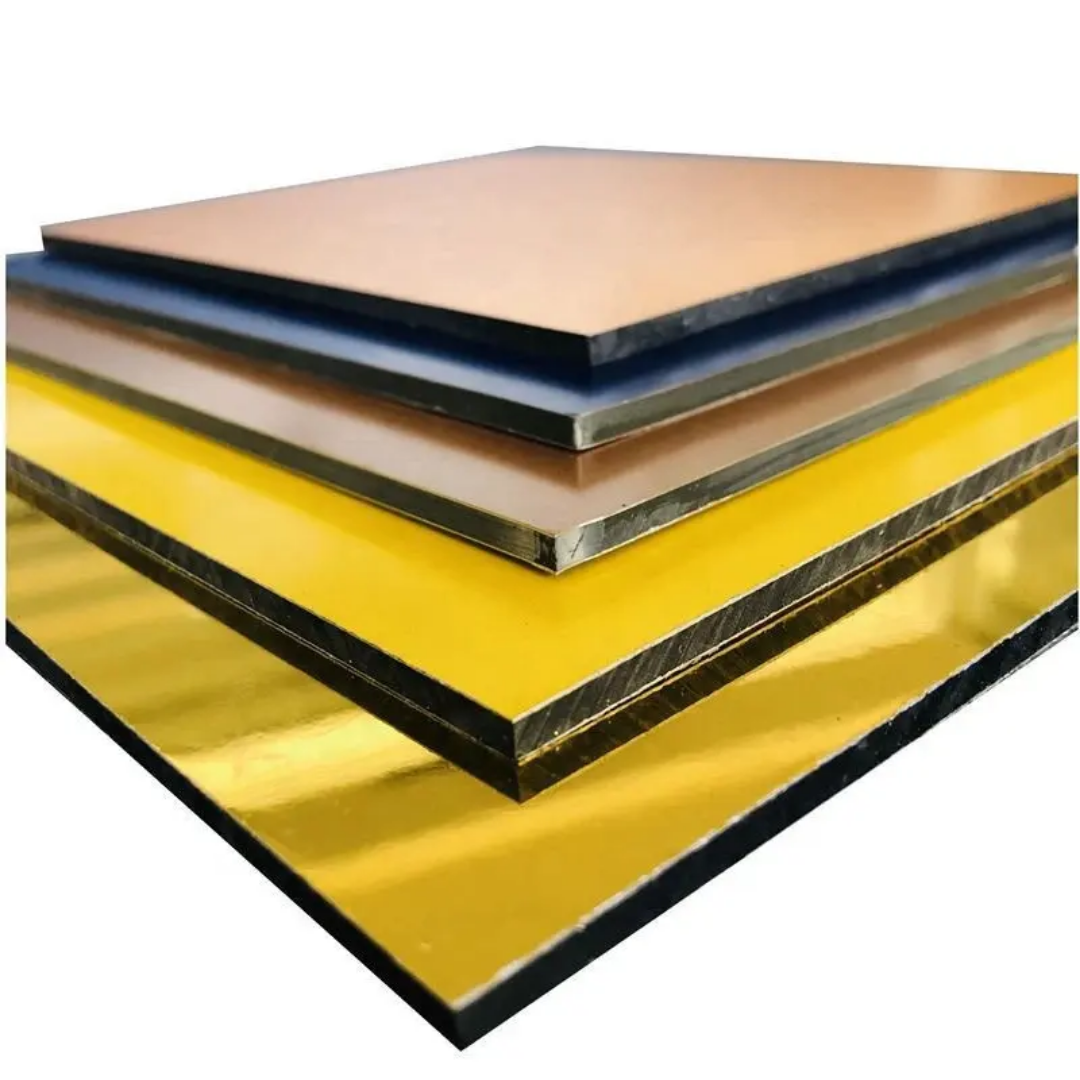
In the world of architectural cladding, flat, smooth aluminum composite panels (ACPs) have long been the default choice. They are clean, modern, and cost-effective. But as design expectations evolve, specifiers and building owners are discovering that texture transforms a standard panel into something far more valuable.
Textured ACPs—whether embossed with wood grain, stone patterns, brushed metal finishes, or custom relief designs—offer a sensory dimension that flat panels cannot match. They add visual depth, tactile appeal, and functional benefits that elevate both the aesthetic and commercial value of any project.
For procurement professionals, understanding how texture adds value is essential to making informed choices that balance initial cost against long-term benefits in durability, maintenance, and market appeal.
What Are Textured Aluminum Composite Panels?
Textured ACPs are manufactured with surface finishes that go beyond flat color. Texture is achieved through several methods:
- Embossing: The aluminum skin is mechanically pressed with patterned rollers to create raised or recessed designs. This is common for wood grain, brushed metal, and geometric patterns.
- Coating with Textured Resins: Specialized PVDF or polyester coatings incorporate texturing agents that create matte, anti-fingerprint, or soft-touch surfaces.
- Digital Printing with Texture Overlay: Advanced printing technologies combine high-resolution imagery with clear coats that simulate tactile texture.
- Laminated Films: High-durability films with embedded texture are bonded to the aluminum surface.
The result is a panel that looks and—in many cases—feels like natural wood, stone, leather, or other premium materials, while retaining the lightweight, durable, and fire-resistant properties of standard ACPs.
The Multidimensional Value of Texture
1. Enhanced Aesthetic Appeal
Texture breaks the monotony of flat surfaces. It catches light differently throughout the day, creating shadows and highlights that add visual interest and sophistication.
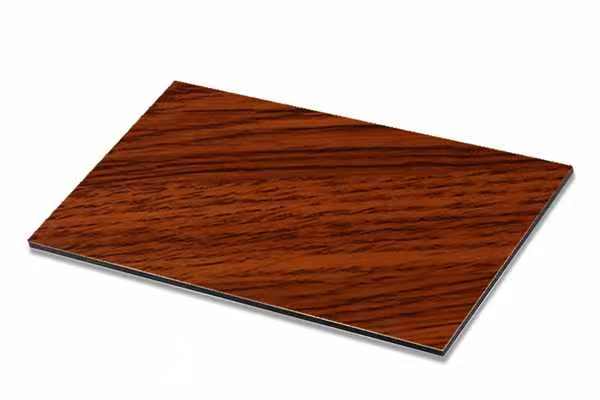
- Wood grain textures bring warmth and organic character to modern buildings.
- Stone finishes convey permanence and luxury without the weight and cost of natural stone.
- Brushed and metallic textures add industrial elegance and subtle reflectivity.
- Custom relief patterns allow architects to embed branding, cultural motifs, or artistic elements directly into the facade.
A textured facade distinguishes a building from its neighbors, creating a memorable identity that resonates with occupants and passersby.
2. Tactile Experience and Perceived Quality
Human beings are tactile creatures. We respond to surfaces that feel as good as they look. Textured ACPs invite touch, creating a sensory connection that smooth panels lack.
In interior applications—lobbies, reception desks, elevator interiors, retail displays—textured panels communicate quality and attention to detail. A brushed metal panel that feels cool and sleek under the fingers conveys precision engineering. A wood-grain panel with authentic grain relief suggests natural authenticity.
This perceived quality translates into higher property valuations and stronger tenant or customer appeal.
3. Concealing Imperfections and Wear
One of the most practical benefits of textured ACPs is their forgiveness. Flat, high-gloss panels reveal every scratch, dent, smudge, and dust particle. Textured surfaces, by contrast, scatter light and visually mask minor imperfections.
- Wood grain textures hide surface scratches and handling marks that would be glaring on a solid-color gloss panel.
- Stone finishes camouflage water spots and atmospheric soiling.
- Brushed finishes with linear grain patterns make small dents and abrasions far less noticeable.
This translates to lower maintenance costs and longer intervals between professional cleaning. For high-traffic areas or buildings in urban environments, this durability advantage is significant.
4. Improved Scratch and Abrasion Resistance
Texture is not just about appearance—it also enhances physical durability. Many textured ACPs incorporate coatings with increased hardness or surface relief that dissipates impact energy.
- Embossed textures create a micro-topography that reduces the contact area for abrasion, making scratches less likely to penetrate the coating.
- Anti-scratch nano-coatings combined with textured surfaces provide dual protection against daily wear.
- Matte and low-gloss textures naturally resist the visibility of swirl marks that plague high-gloss panels during cleaning.
For buildings subject to high foot traffic, adjacent landscaping equipment, or frequent cleaning cycles, textured panels maintain their appearance longer.
5. Anti-Slip and Safety Benefits
In certain applications, texture provides critical safety functions. Textured ACPs can be specified with non-slip surfaces for:
- Walkway and ramp cladding
- Building entrances where moisture accumulation creates slip hazards
- Loading docks and industrial applications
- Pedestrian bridge panels
By combining aesthetic appeal with functional safety, textured ACPs reduce liability risks while maintaining design integrity.
6. Light Management and Glare Reduction
Flat, reflective facades can create problematic glare for neighboring buildings, drivers, and pedestrians. Textured surfaces scatter reflected light, reducing glare without sacrificing brightness.
- Matte textures absorb rather than reflect direct sunlight.
- Brushed patterns diffuse light in controlled directions.
- Deep-embossed textures create shadow patterns that soften the building’s visual impact.
For buildings in dense urban environments or near transportation corridors, this light management capability is often a code requirement as well as a design advantage.
7. Differentiation and Brand Identity
In competitive commercial markets, a building’s facade is its most visible marketing tool. Textured ACPs allow brands to stand out:
- Corporate headquarters can incorporate company logos as embossed patterns.
- Retail locations can use custom textures that reflect brand personality—sleek brushed metal for technology brands, warm wood grain for wellness-oriented businesses.
- Hospitality venues can create distinctive, memorable facades that attract guests.
This differentiation adds tangible value by increasing foot traffic, enhancing brand perception, and commanding premium leasing rates.
8. Sustainability and Material Substitution
Textured ACPs enable the visual language of natural materials without the environmental footprint. Consider the comparison:
Material | Environmental Impact | Maintenance | Weight |
Natural Wood | Deforestation, chemical treatments, short lifespan | High (sealing, staining, pest control) | Moderate |
Natural Stone | Energy-intensive quarrying, transport emissions, non-renewable | Moderate (sealing) | Very high |
Textured ACP | Recyclable aluminum, low-VOC coatings, long lifespan | Low | Lightweight |
By substituting natural materials with textured ACPs, projects reduce embodied carbon, eliminate deforestation impacts, and achieve LEED or BREEAM credits while maintaining premium aesthetics.
Textured ACPs vs. Standard Flat Panels: A Value Comparison
Attribute | Standard Flat ACP | Textured ACP |
Visual Interest | Uniform, minimal | Dynamic, rich |
Scratch Visibility | High (especially gloss) | Low to moderate |
Maintenance Frequency | Regular cleaning required | Extended intervals |
Glare Potential | High on gloss finishes | Low to none |
Tactile Appeal | None | Engaging |
Premium Perception | Standard | Elevated |
Cost | Baseline | Moderate premium |
Longevity of Appearance | May show wear sooner | Maintains appearance longer |
Applications Where Texture Adds Maximum Value
High-Rise Residential: Wood grain and stone texture ACPs bring warmth and natural elements to tall buildings, softening the hard lines of glass and steel.
Hospitality and Retail: Custom textures create distinctive, memorable environments that attract customers and command premium pricing.
Corporate Campuses: Brushed metal and geometric textures convey innovation and professionalism while differentiating company identity.
Healthcare Facilities: Soft matte textures reduce glare and create calming environments while maintaining cleanability.
Public Infrastructure: Textured panels for transit stations, bridges, and pedestrian areas combine safety (anti-slip) with durability and vandal resistance.
Renovation Projects: Lightweight textured ACPs can be installed over existing facades, transforming dated buildings with premium aesthetics at fraction of replacement cost.
What Procurement Professionals Should Specify
To ensure textured ACPs deliver the promised value, incorporate these specifications:
1. Define Texture Type and Depth
Specify the exact texture pattern (e.g., wood grain species, stone type, brush orientation) and depth. Shallow textures (0.1–0.3mm) offer subtle visual interest; deeper textures (0.5–1.0mm) provide tactile engagement and better imperfection concealment.
2. Require Coating Durability
Texture alone does not guarantee longevity. Specify PVDF coatings (70% Kynar or equivalent) for exterior applications, ensuring the textured surface resists UV fading, chalking, and corrosion.
3. Verify Anti-Scratch Properties
For high-traffic or accessible applications, request panels with nano anti-scratch technology applied over the textured surface. Verify pencil hardness ratings (3H or higher).
4. Request Weathering Test Data
Accelerated weathering reports (per ASTM D2244, ISO 16474) should show color change (ΔE) and gloss retention for the textured finish, confirming that texture pattern does not accelerate degradation.
5. Confirm Formability
Deep textures may affect bending and forming capabilities. Verify that the textured ACP can be fabricated (cut, routed, bent) without compromising the texture pattern or coating adhesion at corners and edges.
6. Obtain Physical Samples
Digital images cannot convey true texture depth, feel, or light interaction. Request full-size physical samples (minimum 12" x 12") and evaluate under multiple lighting conditions.
7. Plan for Orientation
For directional textures (e.g., linear brush, wood grain), specify installation orientation (horizontal, vertical, or pattern-matched) to ensure consistent appearance across the facade.
Cost-Benefit Analysis for Procurement
While textured ACPs carry a premium over standard flat panels—typically 15–30% depending on complexity—the return on investment manifests in multiple areas:
- Reduced maintenance: Fewer cleaning cycles and less frequent professional washing
- Lower repair costs: Texture conceals minor damage that would require panel replacement on gloss finishes
- Extended lifespan: Superior scratch resistance and UV stability prolong service life
- Higher asset value: Premium aesthetics command higher lease rates and resale values
- Brand enhancement: Differentiated appearance supports marketing and tenant attraction
For projects where aesthetic longevity and occupant experience matter, the value added by texture far outweighs the incremental material cost.
Conclusion
Texture transforms standard aluminum composite panels from basic building materials into sophisticated design elements that add value across multiple dimensions. Aesthetically, texture creates visual richness and tactile engagement. Functionally, it conceals imperfections, resists wear, manages light, and provides safety benefits. Strategically, it differentiates buildings, supports brand identity, and enables sustainable material substitution.
For procurement professionals, specifying textured ACPs is an investment in long-term appearance, reduced lifecycle costs, and enhanced property value. By selecting high-quality coatings, verifying durability testing, and working with manufacturers experienced in textured finishes, you can deliver facades that not only look exceptional but perform brilliantly for decades.