Welcome to Vbond
The Art of the Sample Panel: How Small Swatches Sell Massive Projects
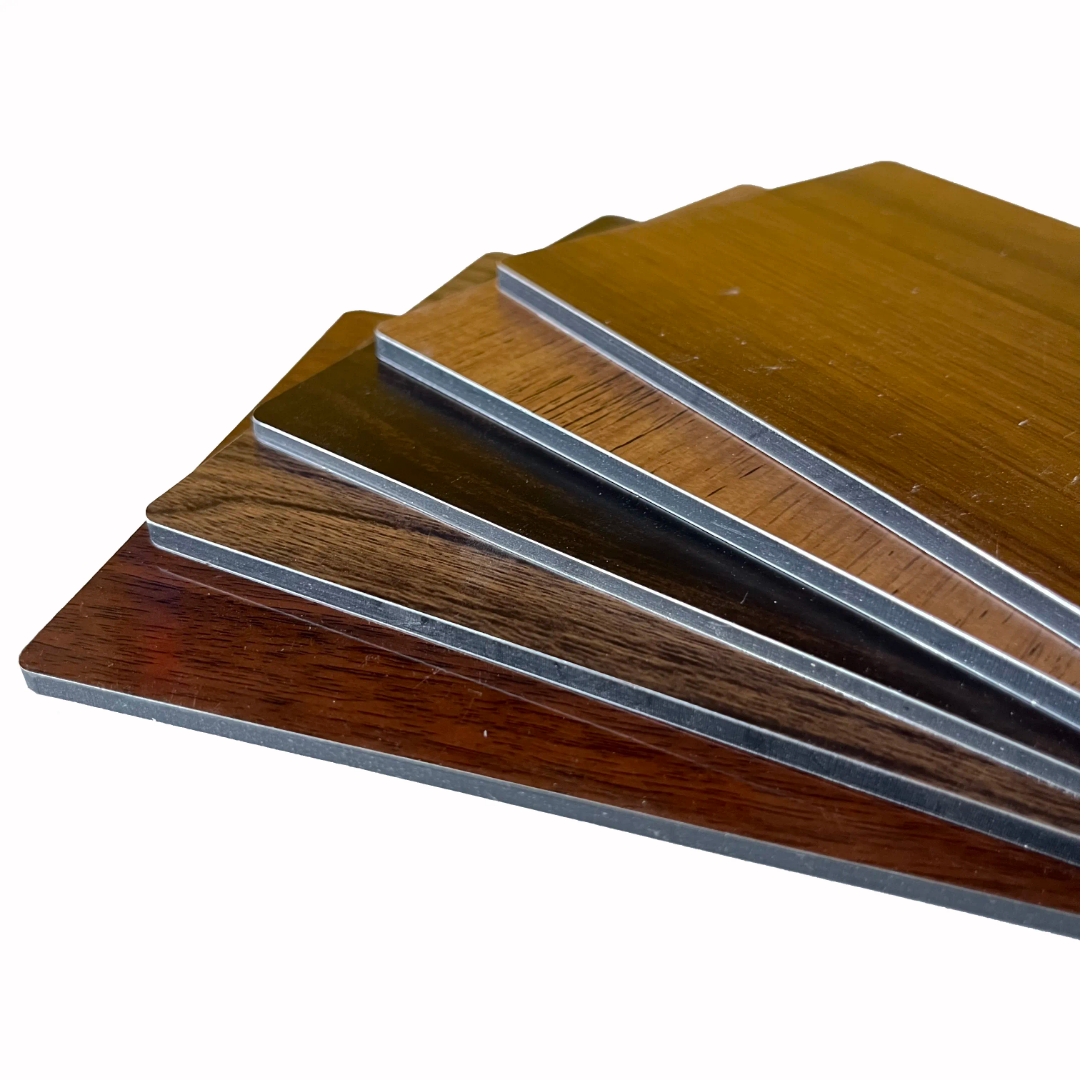
In the world of construction, manufacturing, and high-end design, decisions are rarely impulsive. When a project involves thousands of square feet of material—whether it is subflooring, wall panels, or exterior cladding—stakes are high, and buyers are naturally risk-averse. In these high-pressure sales environments, the sample panel is your most powerful weapon. It is the tangible bridge between an abstract concept and a multimillion-dollar reality.
This article explores the art and science of using sample panels to close large-scale projects. We will dive into the psychology of touch, the importance of storytelling through physical displays, and how to turn a small swatch into a massive sale.
Why the Sample Panel is a Sales Non-Negotiable
In B2B sales, particularly in building materials, buyers are trained to be skeptical. Architects, contractors, and procurement specialists have been burned by products that looked good in a PDF but failed in the field. This is where the sample panel changes the game.
According to a case study by Huber Engineered Woods at the NAHB International Builders‘ Show, simply showing a product isn’t enough to convert a skeptical builder who has “been doing it a different way for 25 years”. Huber successfully utilized a "panel art gallery" featuring different sheathing and subfloor offerings. By allowing attendees to see, touch, and even walk on the samples, they generated over 4,000 in-booth interactions and 425 qualified leads—exceeding their goal by 70%.
Key Takeaway: A sample panel provides social proof through tangibility. It answers the unspoken question: *“Will this hold up in the real world?”
The Psychology of Touch: Why Physical Samples Close Deals
Why are sample panels so effective? It comes down to neuropsychology. When a potential client holds a sample, their brain’s processing shifts from abstract reasoning to sensory evaluation. This taps into what researchers call perceived quality.
Academic research on consumer behavior (specifically regarding high-involvement products like housing) shows that the information provided by physical models directly impacts brand attitude and purchase intention. When a client can feel the weight of a tile, the seam of a panel, or the durability of a composite, they begin to mentally install it in their own project. This visualization process, known as future pacing, reframes the purchase from a cost center to an investment in quality and safety.
Strategies for Maximizing the Impact of Your Samples
To move beyond simply handing out swatches, you need a strategy. Here are three professional tactics to ensure your sample panels work as hard as your sales team.
1. Contextualize the Sample
Never hand over a bare sample. Instead, build a story around it. At trade shows, top exhibitors use "visual anchoring" to create impact. For example, if you sell waterproof panels, don't just show the material—run water over it in your display. Huber’s "Zip System" demo continuously ran water down a roof panel to acoustically and visually prove it was watertight. This turns a static sample into a live demonstration.
2. Leverage Multi-Sensory Appeal
A sample panel shouldn't just look good; it should sound good and feel solid. In the case of the Exacor MgO panels at the IBS show, exhibitors created a "Sound Dome." Attendees stood under a dome to experience the sound-dampening properties of the panels, proving their value for urban apartment complexes. By engaging hearing and touch, you create a hedonic value that makes the product memorable.
3. Use Tiered Samples to Combat "Analysis Paralysis."
When faced with too many choices, buyers often freeze. Use your samples to simplify the decision. Offer a choice architecture with three clear options :
- The Standard: The code-compliant, budget-friendly option.
- The Recommended: The best value, with room for expansion.
- The Premium: The high-end solution with all the bells and whistles.
This structure, often called the "Good, Better, Best" approach, helps massive projects move forward without getting bogged down in specification details.
From Sample to Sale: Post-Demo Follow-Through
The sample panel opens the door, but follow-through closes the deal. Research indicates that product trials are one of the best ways to turn someone into a repeat user. After a trade show or a site visit, ensure your follow-up process is immediate.
- Leave-Behinds: Send potential clients home with a high-quality, durable sample. A cheap, flimsy swatch reflects poorly on your product.
- Data Integration: Just as market researchers use samples to build panels of qualified leads, you should use sample requests to build your CRM. A request for a physical sample is a high-intent action—treat it as a "hot lead."
- Direct Revenue Tie-Back: As seen in the solar industry, well-executed sampling campaigns can lead directly to revenue. KYTV’s campaign for Sun Solar, which offered a prize of a full system, resulted in $1.25 million in direct revenue from qualified leads generated through the promotion.
Conclusion: Small Swatch, Big Returns
In an increasingly digital world, the physical sample panel has become a differentiator. It cuts through the noise of email pitches and PDF spec sheets. Whether you are selling bathroom panels to disrupt the tiling market or industrial sheathing for high-rise construction, the sample is your proof.
By respecting the art of the sample panel—focusing on psychology, demonstration, and strategic follow-up—you turn a small piece of material into the foundation of a massive project sale.






