Welcome to Vbond
The Best ACP Finish for a Coastal Home Resistant to Salt Spray
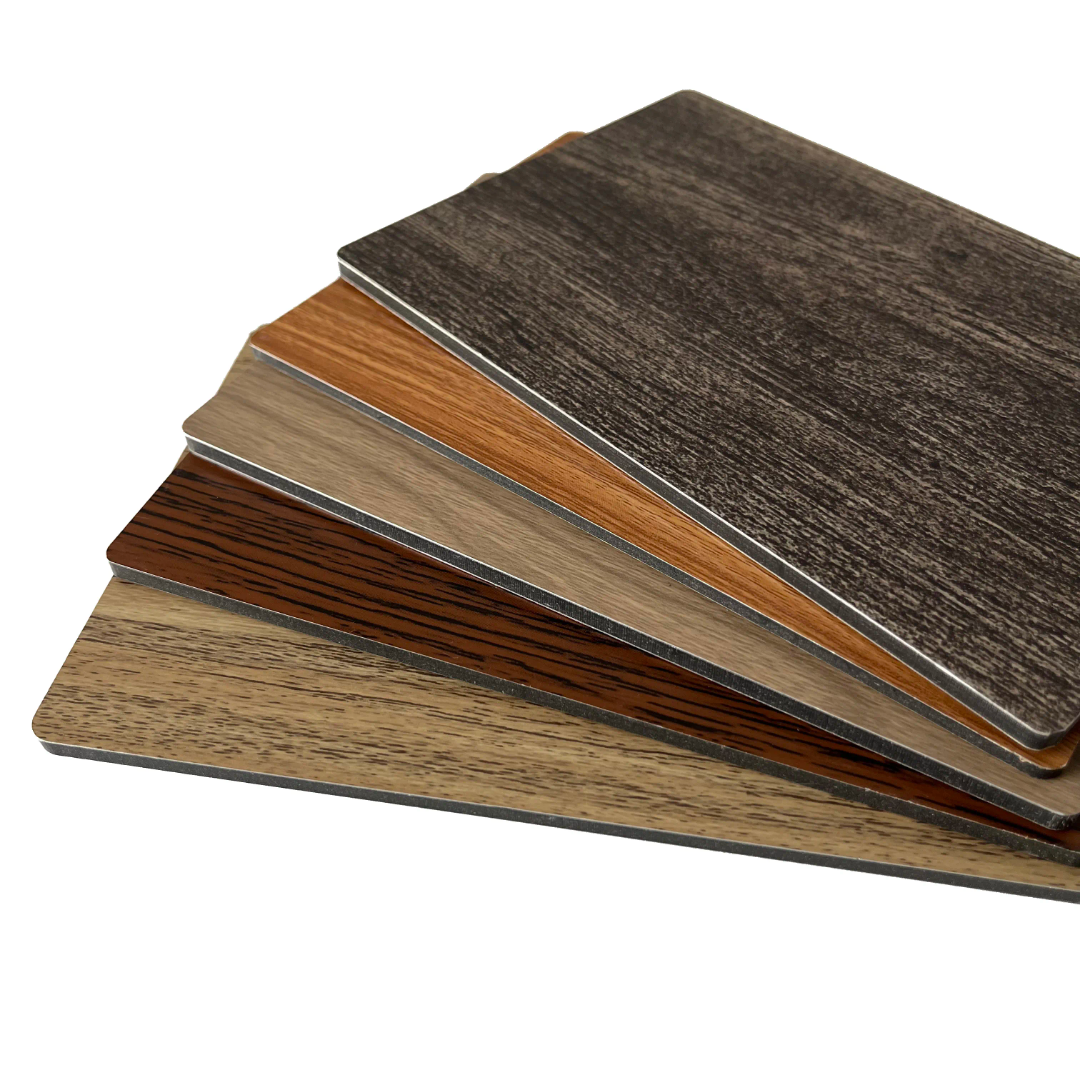
Building a dream home along the coastline offers breathtaking views and a lifestyle many aspire to. However, the marine environment presents one of the harshest challenges for building materials. Salt-laden air, known as salt spray, acts as a relentless corrosive agent that can degrade exterior cladding within years—or even months—if the wrong materials are specified.
For architects and homeowners choosing Aluminium Composite Panels (ACP), the finish is not merely an aesthetic choice; it is the primary defense system against environmental attack. Selecting the wrong finish can lead to chalking, fading, blistering, and eventually structural delamination.
This article provides a forensic guide to selecting the best ACP finish for coastal homes, ensuring your facade remains vibrant and intact against the onslaught of salt spray.
Why Coastal Environments Destroy Inferior Finishes
Before selecting a finish, it is essential to understand the enemy. Coastal climates expose buildings to a unique combination of destructive forces :
- Salt Spray: Airborne salt particles are hygroscopic—they attract moisture. When they settle on ACP surfaces, they create a saline electrolyte that accelerates galvanic corrosion.
- High Humidity and Condensation: Constant moisture cycles promote osmotic blistering in poorly applied coatings.
- Intense UV Radiation: Coastal areas often have high sun exposure, which breaks down polymer binders in low-quality paints.
- Temperature Fluctuations: Thermal cycling causes the substrate and coating to expand and contract, testing adhesion integrity.
In this environment, the ACP finish must act as an impenetrable barrier. If the finish fails, the underlying aluminum is exposed to pitting corrosion, and the core material may face moisture ingress, leading to delamination.
The Gold Standard: PVDF (Kynar 500) Finishes
When industry professionals specify ACP for coastal projects, the overwhelming consensus points to PVDF (Polyvinylidene Fluoride) coatings, particularly those based on Kynar 500® or Hylar 5000 resins.
What Makes PVDF Superior?
PVDF is not a standard paint; it is a high-performance fluoropolymer resin. When baked onto an aluminum coil in a controlled factory environment, it creates a molecular bond that is chemically inert.
- Chemical Resistance: PVDF resists the alkaline and acidic compounds found in salt spray. It does not react with chlorides, preventing the chemical corrosion that starts at the surface.
- UV Stability: Fluorocarbon bonds are among the strongest in chemistry. They resist photon degradation, meaning the coating won't chalk or fade significantly—often backed by 20-year warranties.
- Non-Stick Properties: The low surface energy of PVDF means salt particles adhere poorly, allowing rain to wash the facade clean more effectively.
The Science Behind the Protection
Recent advances in materials science have further enhanced PVDF's dominance. Research published in Polymers (2025) demonstrates that incorporating zinc-aluminum layered double hydroxides (ZLDH) into PVDF matrices significantly improves corrosion resistance in marine environments.
These advanced composite coatings work on two levels :
1. Barrier Enhancement: The layered structure of ZLDH fillers creates a tortuous path within the coating, physically blocking chloride ions from penetrating to the aluminum substrate.
2. Adhesion Improvement: The intact lamellar structure of ZLDH promotes excellent dispersion within the PVDF matrix, enhancing interfacial adhesion and reducing porosity.
Tests show that these enhanced PVDF coatings provide superior long-term stability and corrosion protection compared to standard formulations.
The Secondary Contender: High-Build Polyester Powder Coats
While PVDF is the undisputed champion for color retention and longevity, high-build polyester powder coatings offer a viable alternative when specified correctly for coastal use.
When to Consider Polyester
- Thicker Protection: These coatings are applied at 60–80 µm thickness, providing a robust physical barrier against abrasion and corrosion.
- Cost-Effectiveness: For projects where the budget is a primary constraint, high-quality marine-grade polyesters outperform standard architectural grades.
- Specialized Formulations: Modern polyester powders incorporate corrosion-inhibiting pigments and special resin blends designed to resist mold and mildew in humid tropical zones.
The Limitation
Standard polyesters are more susceptible to UV degradation than PVDF. In intense coastal sunlight, they may experience chalking (surface powdering) and color shift over a 5–10 year horizon, whereas PVDF maintains integrity for decades.
The Critical Role of Pretreatment
Even the best topcoat will fail if the preparation is poor. For coastal ACP, the pretreatment layer between the raw aluminum and the paint is non-negotiable.
Manufacturers serving coastal markets utilize conversion coatings (such as chromium-free oxide layers) that:
- Chemically etch the aluminum for superior mechanical adhesion.
- Provide an initial passivation layer that resists underfilm corrosion.
- Prevent the spread of corrosion if the topcoat is scratched.
Quality control in this phase includes rigorous testing like ASTM B117 salt spray and humidity chamber tests to validate long-term durability before panels ever ship.
Installation Details: The Finish is Only Part of the System
Selecting a PVDF finish is essential, but it is not sufficient on its own. In coastal homes, the installation details must protect the integrity of the finish.
1. Edge Sealing is Mandatory
Salt spray does not just attack the face; it creeps into cut edges. Panels must have sealed edges to prevent salt-laden moisture from wicking into the core. If the core gets wet, delamination follows, regardless of the face finish.
2. Compatible Sealants and Gaskets
Using the wrong sealant can chemically damage the PVDF finish or fail to adhere, allowing water to seep behind the panel. Specify neutral-cure silicones that are compatible with fluorocarbon coatings
3. Marine-Grade Fixings
The finish on the panel means little if the screws and brackets rust. Use stainless steel (316 grade) or anodized aluminum substructures to prevent galvanic corrosion between dissimilar metals.
Maintenance: Extending the Life of the Finish
Even the best PVDF finish benefits from simple maintenance in a coastal setting.
- Regular Rinsing: Gently hosing down the facade every few months removes accumulated salt crystals before they can form concentrated brines.
- Avoid Abrasives: When cleaning, use mild soap and water. Abrasive pads or strong solvents can damage the sacrificial top layer of the coating.
Comparative Analysis: Finish Options for Coastal ACP
Feature | PVDF (Kynar 500®) | High-Build Polyester | Standard Polyester |
Salt Spray Resistance | Excellent (Chemical inertness) | Good (Thick barrier) | Poor to Fair |
UV/Color Retention | Excellent (20+ years) | Good (5-10 years) | Poor (chalking likely) |
Typical Thickness | 25-30 µm | 60-80 µm | 20-40 µm |
Marine Warranty | Often 10-20 years | Limited | None |
Best Application | High-end coastal facades, beachfront hotels | Budget-conscious coastal projects | Inland, sheltered uses |
Conclusion: The Verdict for Coastal Homes
For a coastal home exposed to relentless salt spray, the best ACP finish is unequivocally a high-quality PVDF coating, preferably one enhanced with modern barrier technologies like LDH fillers.
While the initial investment may be higher than polyester alternatives, the return on investment is measured in decades of maintained appearance and structural integrity. Pair this finish with proper pretreatment, sealed edges, marine-grade substructures, and a commitment to regular rinsing.






