Welcome to Vbond
The Difference Between B1, B2, and A2 Classifications for Aluminum Composite Panels
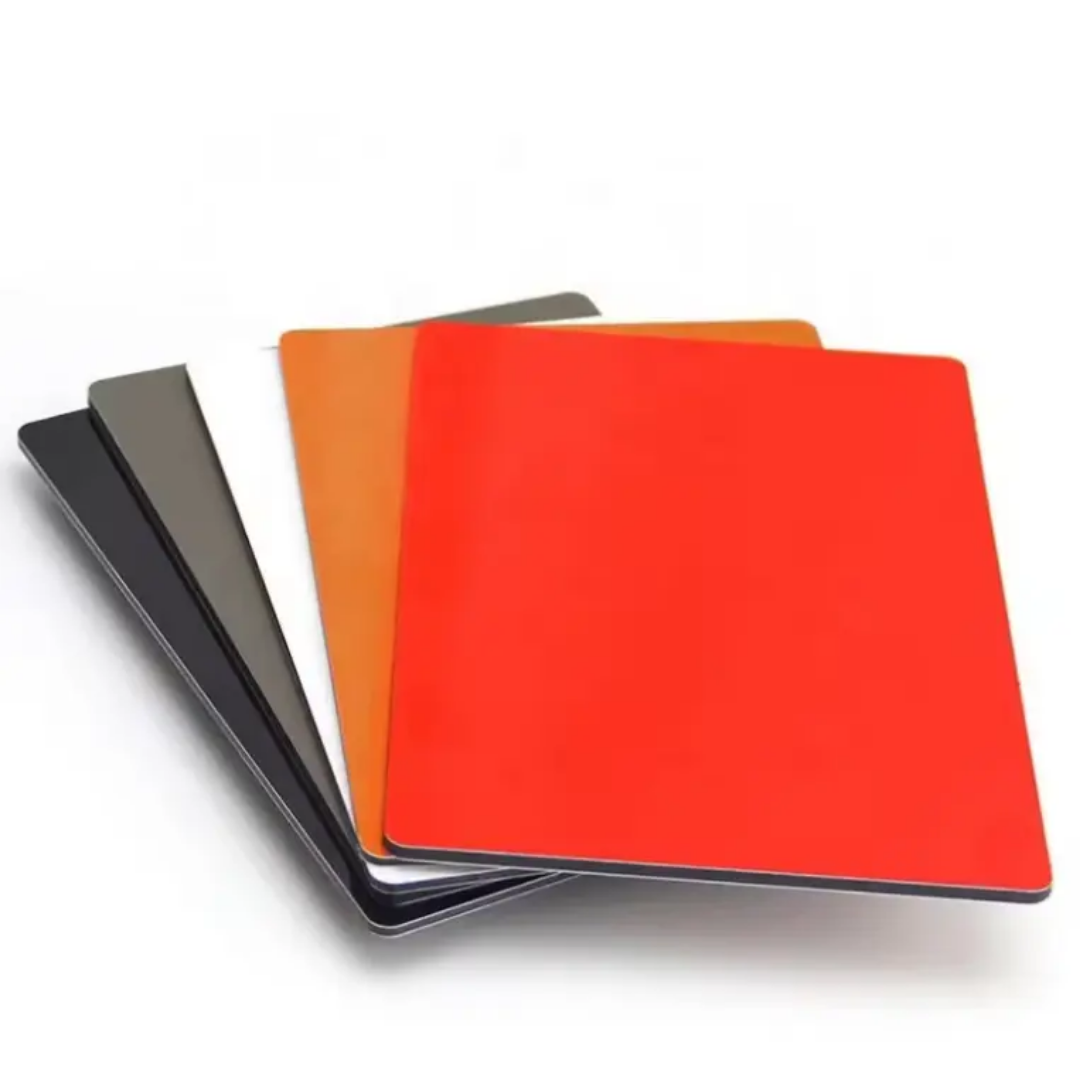
When sourcing materials for modern construction, one of the most critical decisions a procurement specialist faces is selecting the right Aluminum Composite Panel (ACP). While aesthetics and durability matter, fire safety classification is the non-negotiable factor that dictates where and how a panel can be used.
In the industry, you will primarily encounter three classifications: **A2**, B1, and B2. Understanding the technical and regulatory differences between these grades is essential to ensuring project compliance, safety, and long-term value. Here is a detailed breakdown of what these classifications mean and how to choose the right one for your building needs.
1. A2 Class: Non-Combustible Core
The A2 class represents the highest level of fire safety among standard aluminum composite panels. According to the European standard EN 13501-1, A2 materials are classified as "Limited Combustibility."
- Composition: Unlike traditional ACPs that use a polyethylene (PE) core, A2 panels utilize a mineral-filled core (often a fire-retardant compound or aluminum honeycomb structure). This core contains no organic materials that fuel a fire.
- Performance: When exposed to fire, A2 panels will not burn. They produce negligible smoke and do not generate flaming droplets or falling particles that could spread fire to other floors.
- Applications: Due to their non-combustible nature, A2 panels are the standard choice for high-rise buildings (typically over 18-25 meters), hospitals, schools, and public facilities. In most international building codes (such as the International Building Code (IBC) or UK Building Regulations), A2 or equivalent materials are mandatory for high-rise facades.
2. B1 Class: Flame Retardant
The B1 class is defined by the German standard DIN 4102-1 and the European standard EN 13501-1 as "Flame Retardant." This is often considered the mid-tier option, balancing safety with cost-effectiveness.
- Composition: B1 panels feature a core made of low-density polyethylene (LDPE) mixed with a significant percentage of flame-retardant additives. While the core is still technically plastic, the additives prevent the material from igniting easily and stop the spread of flame once the heat source is removed.
- Performance: B1 panels are self-extinguishing. If a fire occurs, they will not contribute to the rapid spread of the blaze. However, they are not non-combustible; under extreme or prolonged heat, they can burn.
- Applications: B1 panels are widely used in low to mid-rise buildings, commercial interiors, and ventilation systems. They are suitable for applications where fire safety is a high priority, but local codes do not mandate non-combustible materials strictly.
3. B2 Class: Standard Combustible (Polyethylene Core)
The B2 class, also under DIN 4102-1, refers to "Normally Flammable" materials. This is the standard grade of aluminum composite panel often used for general applications.
- Composition: B2 panels utilize a core made of standard polyethylene (PE), a thermoplastic that melts and burns readily when exposed to an ignition source.
- Performance: B2 panels do not contain additives to stop combustion. While they are perfectly safe for specific applications, they act as fuel in a fire event, producing heat and dripping burning plastic.
- Applications: Due to fire safety regulations, B2 panels are generally restricted from high-rise external facades. They are best suited for interior decoration, signage, cladding for single-story structures, or temporary installations where strict fire codes do not apply.
Key Comparison: A2 vs. B1 vs. B2
To help with your procurement decisions, here is a direct comparison of the three classifications:
Feature | A2 (Non-Combustible) | B1 (Flame Retardant) | B2 (Standard PE) |
Core Material | Mineral / Fire-resistant | LDPE + FR Additives | Polyethylene (PE) |
Fire Reaction | Does not burn | Self-extinguishing | Burns readily |
Smoke Density | Very Low | Moderate | High |
Dripping | None | Minimal to None | Flaming droplets |
Typical Use | High-rise facades | Mid-rise facades, interiors | Signage, low-rise interiors |
Cost | High | Medium | Low |
How to Choose the Right Classification for Your Project
For professional purchasers and contractors, selecting the correct classification comes down to three factors:
1. Building Height and Type
Local building codes are stringent. If your project involves a high-rise building, A2 is typically the only legally compliant option. Using B1 or B2 on a skyscraper is not just a safety risk; it will likely result in failed inspections and legal liability.
2. Installation Location
Even within the same building, different zones may require different materials.
- External Facades (High-rise): Mandatory A2.
- External Facades (Low-rise): B1 is often acceptable.
- Internal Walls/Ceilings: B1 is usually required for public spaces to ensure escape routes remain clear.
- Signage/Decorative Elements: B2 may suffice if located away from ignition sources.
3. Insurance and Liability
Specifying A2 or B1 materials often lowers building insurance premiums. Moreover, in the event of an incident, using a certified A2 or B1 panel provides a clear chain of accountability, proving that due diligence was performed in material selection.
Conclusion
The difference between A2, B1, and B2 Aluminum Composite Panels lies fundamentally in their core composition and their reaction to fire.
For specifiers and purchasers, A2 panels represent the gold standard for safety, specifically designed for high-rise and high-risk environments. B1 panels offer a balanced solution for mid-rise construction where fire retardancy is required, but non-combustibility is not mandatory. B2 panels remain a cost-effective option for low-risk interior uses and signage.
As global building regulations continue to tighten in the wake of high-profile fire incidents, the market demand for A2 and B1 certified panels is surging. When making your next purchase, always verify the test reports and certification marks to ensure your materials meet the specific requirements of your local building code.