Welcome to Vbond
The Do‘s and Don’ts of Cutting and Routing Aluminum Composite Panels
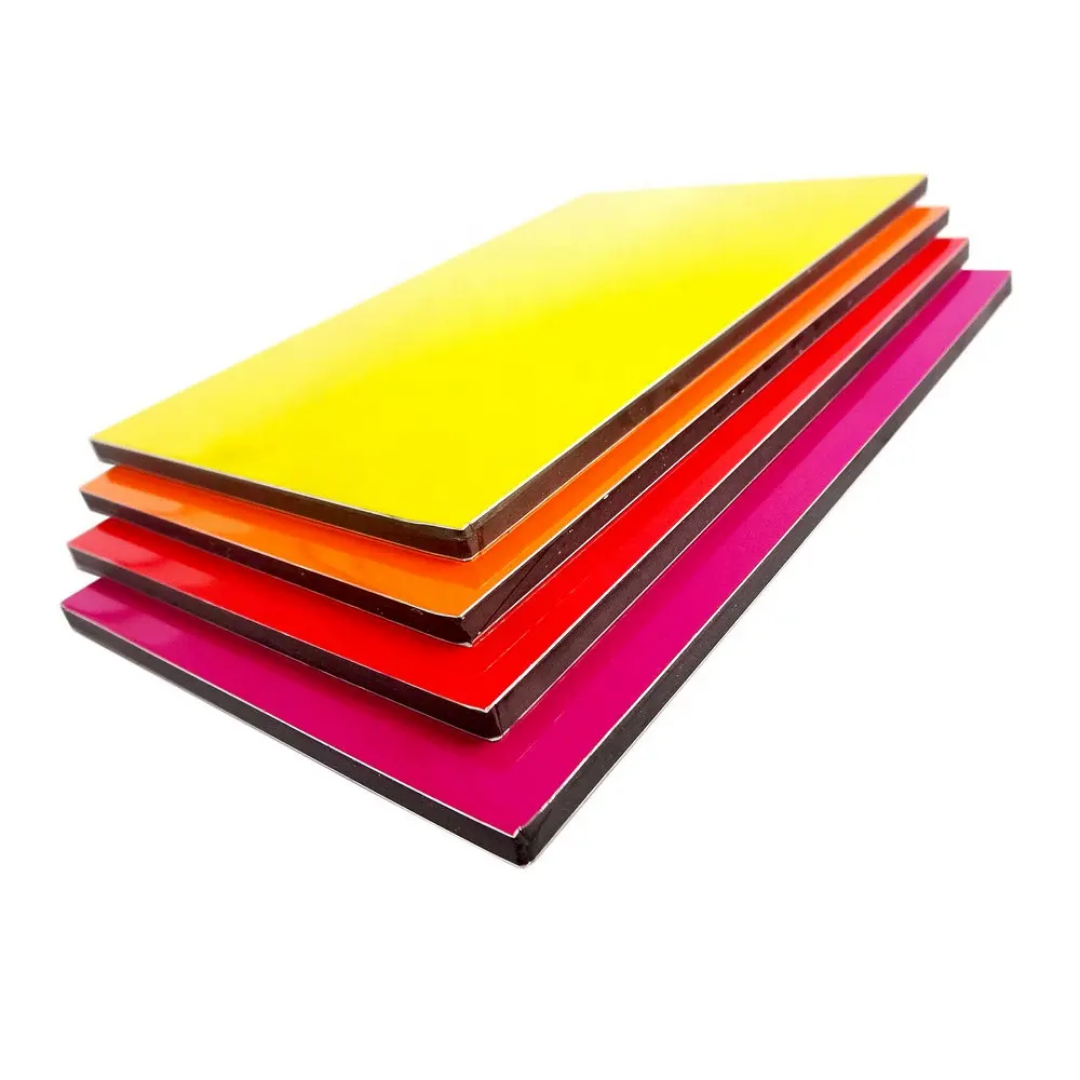
For procurement professionals, the quality of an aluminum composite panel (ACP) facade depends not only on the material itself but also on the craftsmanship of its fabrication. Even the highest-grade PVDF-coated panels can be ruined by improper cutting or routing. Ragged edges, chipped coatings, core delamination, and heat-damaged surfaces are all telltale signs of poor technique—and all are entirely avoidable.
This guide outlines the essential do’s and don’ts for cutting and routing aluminum composite panels, providing procurement professionals with the knowledge to specify fabrication standards and evaluate supplier workmanship.
Understanding the Challenge
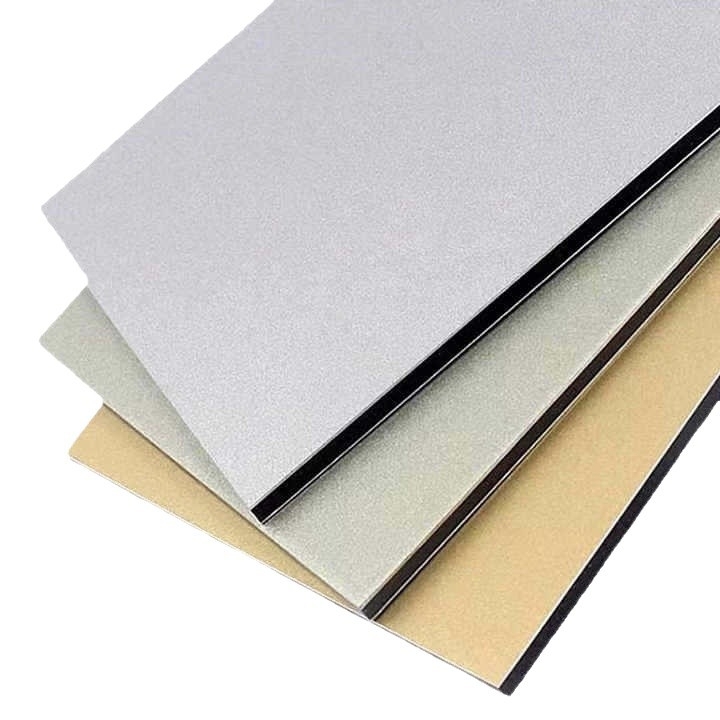
Aluminum composite panels consist of two thin aluminum skins bonded to a non-aluminum core—typically polyethylene (PE), fire-retardant (FR) material, or mineral-filled A2 core. Cutting through this sandwich structure in a single pass requires tools and techniques that address both the metal skins and the core simultaneously. Improper cutting can lead to delamination (layer separation), burring, edge chipping, accelerated tool wear, melting of the plastic core, and jagged edges with visible coating damage[reference:2]. These defects compromise structural integrity and ruin surface finishes, resulting in complete part rejection.
The DO‘s: Best Practices for Professional Results
✅ DO Use the Right Tool for the Job
Different cutting tasks require different tools.
Straight Cuts on Large Panels: A circular saw is the most common and efficient tool for straight-line cuts. Use a carbide-tipped blade designed specifically for aluminum or laminates, with fine teeth (e.g., triple-chip grind). Set the blade depth slightly deeper than the panel thickness—just enough to cut through without excessive exposure.
Curved or Intricate Cuts: A jigsaw with a fine-toothed blade (10–14 teeth per inch) works well for curves and custom shapes[reference:8]. For complex patterns and repetitive cuts, a CNC router offers unmatched precision and repeatability.
Edge Trimming and Grooving: A router with carbide or diamond-tipped bits is essential for edge profiling, V-grooving, and decorative detailing.
Small-Volume or On-Site Work: For smaller panels or field adjustments, the score-and-snap method using a utility knife is effective for straight cuts on panels up to 4mm thick.
✅ DO Keep Tools Sharp and Well-Maintained
Dull blades and bits are a primary cause of uneven cuts, chipping, and melting. Always use sharp, carbide-tipped router bits at recommended RPMs when working with ACP sheets. Dull tools generate excessive friction and heat, which can melt the polyethylene core and delaminate aluminum layers. Replace blades and bits regularly, and test on scrap pieces before cutting your production panels.
✅ DO Control Cutting Speed and Feed Rate
High speeds and incorrect feed rates can overheat the composite material, especially ACPs with thermoplastic cores. Use moderate cutting speeds and maintain a consistent, steady feed motion to avoid localized heat buildup[reference:15]. For circular saws, lower speeds (2,000–3,000 RPM) help prevent the PE core from melting. Avoid aggressive feed rates on CNC routers that can break the surface coating.
✅ DO Secure the Panel Properly
Panel movement during cutting causes inaccurate cuts and edge defects. Clamp the ACP firmly to a stable workbench using soft clamps to avoid scratching the aluminum surface. Use vacuum tables or clamps when routing with CNC equipment. For large sheets, use a long straight edge or guide rail to keep the saw aligned.
✅ DO Protect the Finished Surface
The decorative coating on ACPs is vulnerable to scratches and chips. Always cut with the protective film facing down to prevent blade contact with the finished surface. For routing operations, apply masking tape along the cutting line to minimize chipping and protect the surface from scratches.
✅ DO V-Groove Properly for Folding
When folding ACPs to create trays, cassettes, or corners, the industry-standard method is rout-and-return. A V-shaped groove is routed on the reverse side of the panel, leaving the outer aluminum skin intact. A thin layer of core material (approximately 0.5mm) should remain at the base of the groove—this prevents “spring back” and ensures a clean, accurate 90° fold.
V-grooving bits are available in various angles (60°, 90°, 108°, 120°, and 135°)[reference:26]. For standard 90° bends, a 90° or slightly larger angle (e.g., 110°) is recommended.
✅ DO Smooth Edges After Cutting
After cutting, aluminum edges often have sharp burrs. Use a fine-grit sandpaper (240-grit), a deburring tool, or a smooth single-cut mill file to dress the edges. Sand the edges with long, smooth strokes—not a see-saw motion—to avoid creating uneven surfaces.
✅ DO Consider CNC for Mass Production
For large-scale projects or repetitive tasks, CNC routing offers several advantages: high precision and repeatability; ideal for complex 2D and 3D designs; smooth edge finishes with proper tooling; minimal heat generation to prevent warping; and cost-effectiveness for medium-to-high volume production
✅ DO Test on Scrap First
Before cutting your production panels, always test your tool settings, blade depth, and feed rate on a scrap piece of the same ACP material. This simple step can prevent costly mistakes.
The DON‘Ts: Common Mistakes to Avoid
❌ DON’T Cut by Hand with a Knife for Large Panels
Cutting ACP by hand with a utility knife is dangerous, slow, and results in poor-quality finishes with low precision. While score-and-snap works for small panels (e.g., 3–4mm thick for signage), it is not suitable for large-format architectural panels.
❌ DON‘T Use Dull or Incorrect Blades
Using a dull blade or a blade designed for wood rather than aluminum will cause uneven cuts, chipping, and excessive heat buildup. Always use carbide-tipped blades with fine teeth specifically designed for aluminum or laminates. Dull bits can cause melting of the plastic core or delamination of aluminum layers.
❌ DON’T Apply Excessive Force
Let the tool do the work. Applying excessive pressure while cutting can damage both the panel and the tool, leading to uneven cuts, chipping, and potential injury. Maintain a steady, controlled feed rate.
❌ DON‘T Overheat the Core
Excessive heat during cutting or routing can melt the polyethylene core, causing blade gumming, warped or discolored edges, and delamination. Use moderate cutting speeds, sharp tools, and avoid lingering in one spot. For circular saws, operate at lower speeds (2,000–3,000 RPM) to prevent core melting.
❌ DON’T Neglect Safety Gear
Cutting ACPs involves sharp tools and flying aluminum debris. Always wear safety glasses, gloves, and a dust mask to protect against sharp edges and airborne particles.
❌ DON‘T Cut Without a Guide for Long Straight Cuts
For long, straight cuts on large panels, always use a straight edge or guide rail. Cutting freehand almost guarantees deviation from the marked line, resulting in wasted material.
❌ DON’T V-Groove Too Deep
When V-grooving for folding, leaving too little core material weakens the fold; cutting through the outer skin destroys the panel. Leave approximately 0.2–0.5mm of core material at the base of the groove for a clean, strong fold.
❌ DON‘T Ignore Panel Orientation
When cutting with a circular saw, always position the panel with the finished surface facing down and the protective film in place. This prevents the blade from chipping the visible coating.
❌ DON’T Skip Edge Finishing
Rough, burred edges are not only unsightly but also dangerous for installers. Always deburr and smooth cut edges before installation. A sharp burr can cut through protective gloves and injure workers.
Summary Table: Do‘s and Don’ts at a Glance
Category | DO ✅ | DON‘T ❌ |
Straight cuts | Use a circular saw with a carbide-tipped fine-tooth blade | Cut by hand with a utility knife for large panels |
Curved cuts | Use a jigsaw with a 10-14 TPI blade | Use dull or wood-cutting blades |
V-grooving | Leave ~0.5mm core; use 90°–110° bit | Cut through the outer aluminum skin |
Cutting speed | Use moderate speed; steady feed | Overheat the core with high RPMs |
Workholding | Clamp panel firmly; use soft clamps | Allow the panel to shift during cutting |
Surface protection | Cut with film facing down; use masking tape | Cut directly on the finished surface |
Tool maintenance | Use sharp, carbide-tipped bits | Use dull or incorrect blades |
Edge finishing | Deburr with file or 240-grit sandpaper | Leave sharp burrs on edges |
Safety | Wear goggles, gloves, dust mask | Skip protective gear |
Testing | Test on scrap first | Cut production panels directly |
Summary
The difference between a professional ACP installation and a disappointing one often comes down to fabrication quality. Clean cuts, precise grooves, and smooth edges are not optional—they are essential for panel fit, structural integrity, and aesthetic success.
For procurement professionals, the key takeaways are clear: specify that fabricators use sharp, carbide-tipped blades and bits designed specifically for aluminum composite materials. Require that cutting speeds be controlled to prevent core melting. Insist on proper workholding and surface protection. For folding applications, verify that the V-grooving depth is accurate and consistent.
By understanding and enforcing these do‘s and don’ts, you ensure that the panels you source arrive not only as specified but also ready for flawless installation. Quality fabrication protects your investment, preserves your project timeline, and delivers the premium appearance your building deserves.