Welcome to Vbond
The Essential Tools List for a Professional ACP Installer
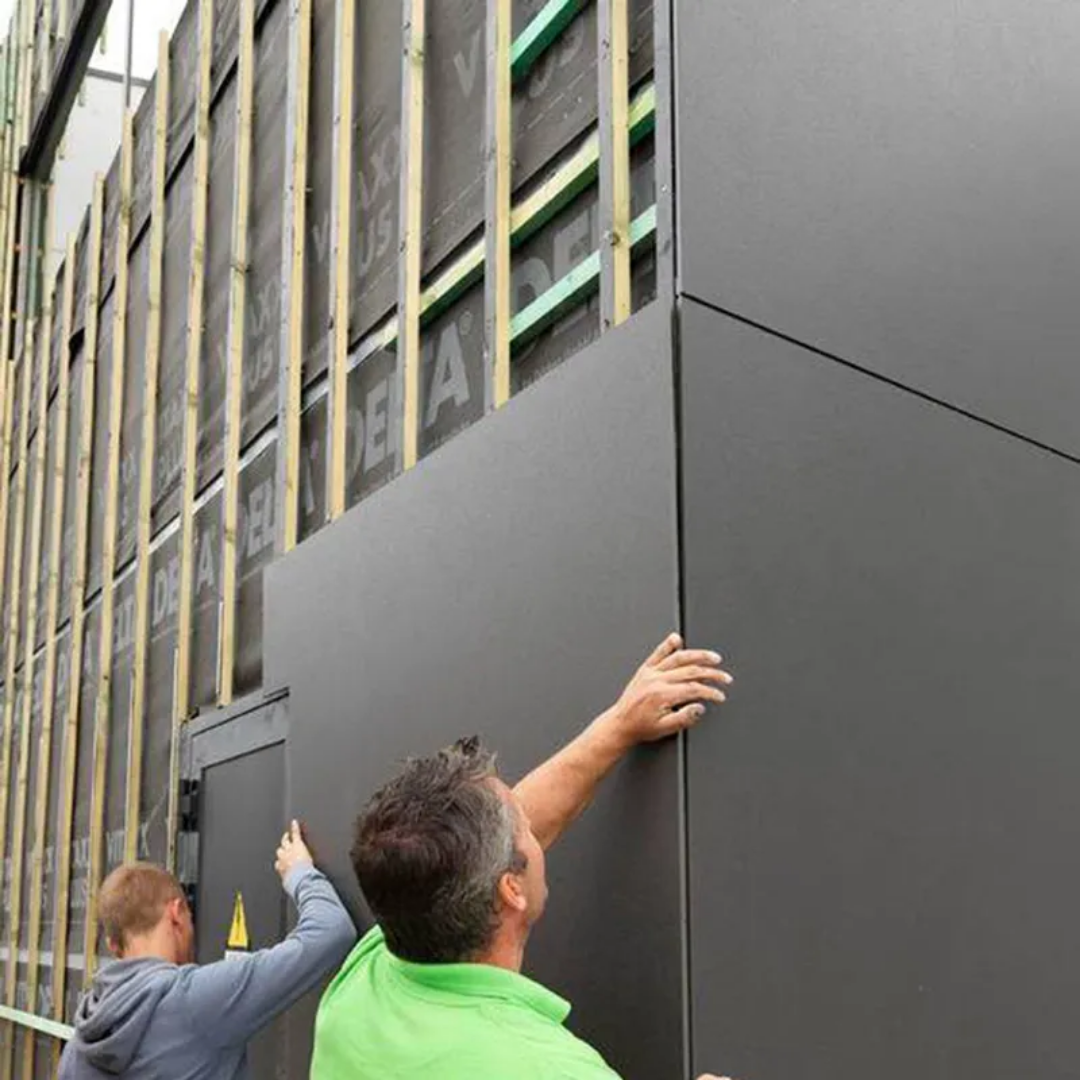
For a flawless Aluminium Composite Panel (ACP) installation, precision, safety, and efficiency are non-negotiable. While skill is paramount, the right tools are the foundation of a high-quality, durable facade. A professional installer's toolkit is a curated collection of specialised equipment designed to handle the material's unique properties. This guide details the essential tools, ensuring your team is equipped for every phase of the job—from measurement to final sealing.
Category 1: Measurement & Layout Tools
Accuracy begins here. Mistakes in layout propagate, causing alignment issues and material waste.
Laser Level & Laser Measure: A rotary laser level is indispensable for establishing perfectly horizontal and vertical datums over long distances. A laser distance measurer ensures fast, precise room dimensions and panel calculations.
High-Quality Tape Measures & Straight Edges: Multiple durable, long-reach tape measures (e.g., 8m/25ft) are essential. Rigid aluminium straight edges (2-3m) are critical for marking precise cut lines and checking substructure alignment.
Chalk Line & Marking Tools: A heavy-duty chalk line for snapping long, straight guidelines. Use non-permanent markers (alcohol-based) or scribers for detailed marking on panel surfaces without causing permanent damage.
Category 2: Cutting & Fabrication Tools
Clean, burr-free cuts are vital for tight joints and professional aesthetics.
Panel Saw/Composite Panel Cutter: A specialised panel saw with a carbide-tipped blade designed for aluminium composite material is the gold standard. It provides straight, splinter-free cuts with a fine finish. For curved cuts, a jigsaw with a fine-toothed metal-cutting blade is required.
CNC Router (For Shop Fabrication): For high-volume or complex projects involving intricate shapes, cut-outs for fixtures, or precise hole patterns, a CNC router ensures absolute consistency, accuracy, and efficiency in a controlled workshop environment.
Deburring Tools & Files: After cutting, every edge must be smoothed. Deburring tools, hand files, and fine-grit sandpaper (e.g., 120-grit) are used to remove sharp aluminum burrs, preventing injury and ensuring a perfect fit.
Category 3: Drilling & Fastening Tools
Secure, correctly installed fixings are critical for structural integrity and wind resistance.
High-Torque Drill/Driver & Impact Driver: A powerful cordless drill/driver combo is the workhorse for drilling into substructure and driving fasteners. An impact driver provides superior torque for setting self-tapping screws without cam-out.
Hole Saws & Step Drills: For creating clean, round holes for pipes, conduits, or vents. Carbide-tipped hole saws and adjustable step drills are essential for precise hole sizing in aluminium.
Quality Drill Bits: Cobalt or carbide-tipped bits specifically for metal. Using blunt or incorrect bits causes work hardening of the aluminium, leading to poor results and damaged tools.
Screwdriver Bits & Magnetic Bit Holder: High-quality, hardened Torx or Pozidriv bits (T20/T25 are common) that match the fastener system. A magnetic holder prevents dropped screws and increases speed.
Category 4: Forming & Assembly Tools
For creating crisp bends and assembling panels securely.
Sheet Metal Brake or Folding Machine: For creating clean, sharp bend lines on panel returns, reveals, or drip edges. A hand-operated or electric brake is crucial for on-site or shop fabrication of folded panels.
Rivet Gun (Pop Riveter): A heavy-duty blind rivet gun for installing rivets where only one side of the panel is accessible, commonly used in joining panels to the substructure or attaching trim.
Rubber Mallet & Rollers: A non-marring rubber mallet is used for gently tapping panels into alignment without damaging the coating. A J-roller or seam roller helps flatten and secure panel adhesives or membrane flashings.
Category 5: Sealing & Finishing Tools
A watertight and aesthetically perfect finish depends on these.
Professional-Grade Caulking Guns: A smooth-action, dripless caulking gun is vital for applying sealants evenly and without waste. For high-volume work, a pneumatic caulking gun increases productivity.
Sealant Finishing Tools: Notched plastic tools or sealant profiling tools are used to tool the sealant bead into the joint, ensuring proper adhesion, a neat aesthetic finish, and a functional weather seal.
Panel Lifters & Suction Handles: For the safe handling of large, unwieldy panels. Adjustable suction cup handles allow installers to grip, lift, and position panels securely without damage, reducing risk and labour.
Category 6: Safety & Site Equipment
Professionalism is defined by a safe worksite.
Full Personal Protective Equipment (PPE): Safety glasses, cut-resistant gloves, hearing protection (for saws/routers), and durable work boots are mandatory.
Stable Access Equipment: Reliable scaffolding, scissor lifts, or mast climbers that provide a stable, secure platform for working at height.
Dust Extraction & Management: A vacuum with HEPA filtration attached to cutting tools is critical to control fine aluminum and plastic dust, protecting installer health and keeping the site clean.
Conclusion: The Toolbox as a Hallmark of Professionalism
An ACP installer's expertise is amplified by their toolkit. Investing in the right specialised equipment is not an expense but a commitment to installation precision, onsite safety, and project efficiency. A well-equipped team can tackle complex details, ensure long-term facade performance, and deliver the crisp, clean lines that define premium architectural cladding. Before mobilising to the site, use this list as a checklist to ensure nothing is left behind.






