Welcome to Vbond
The Future of Aesthetics: What's New in Aluminum Composite Panel Finishes?
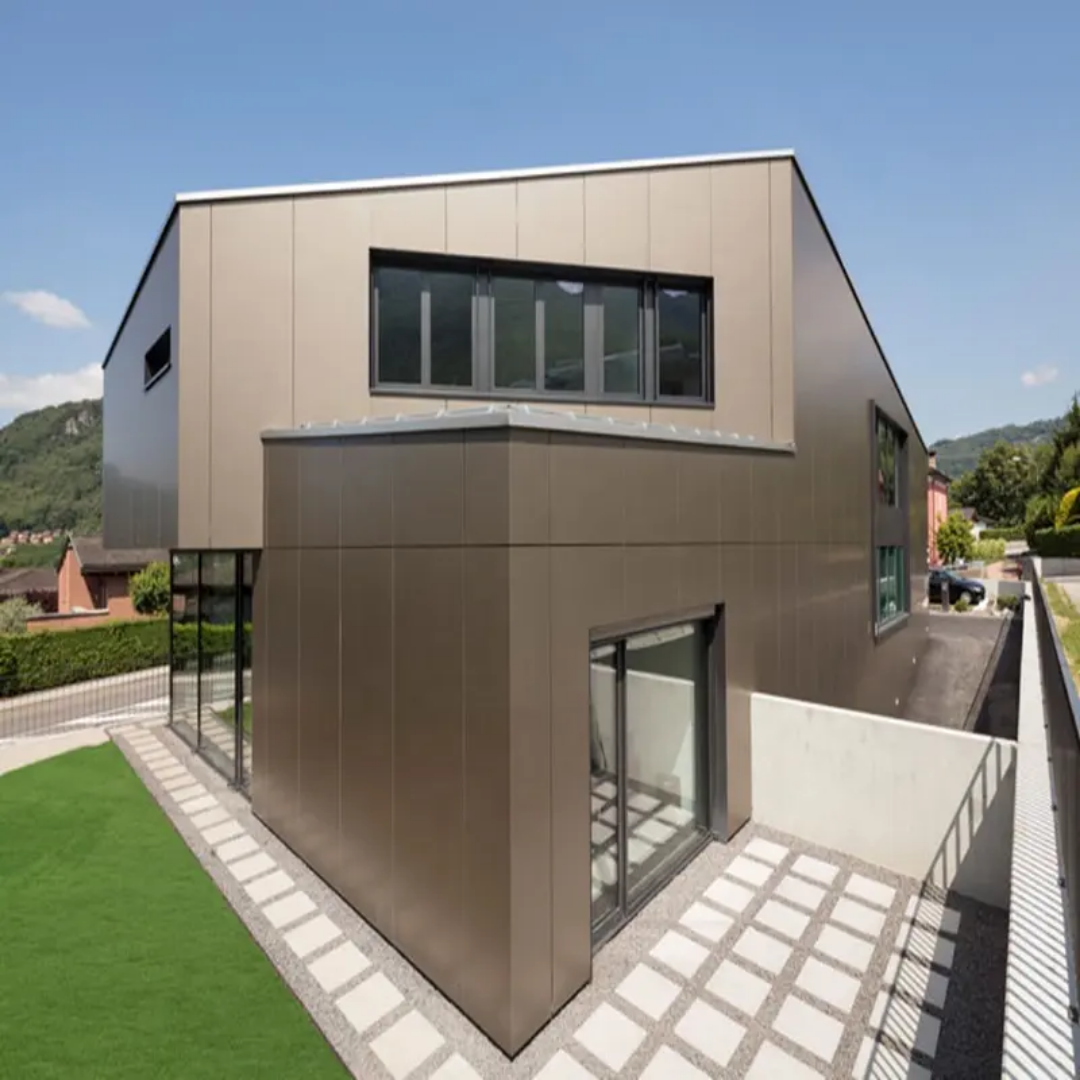
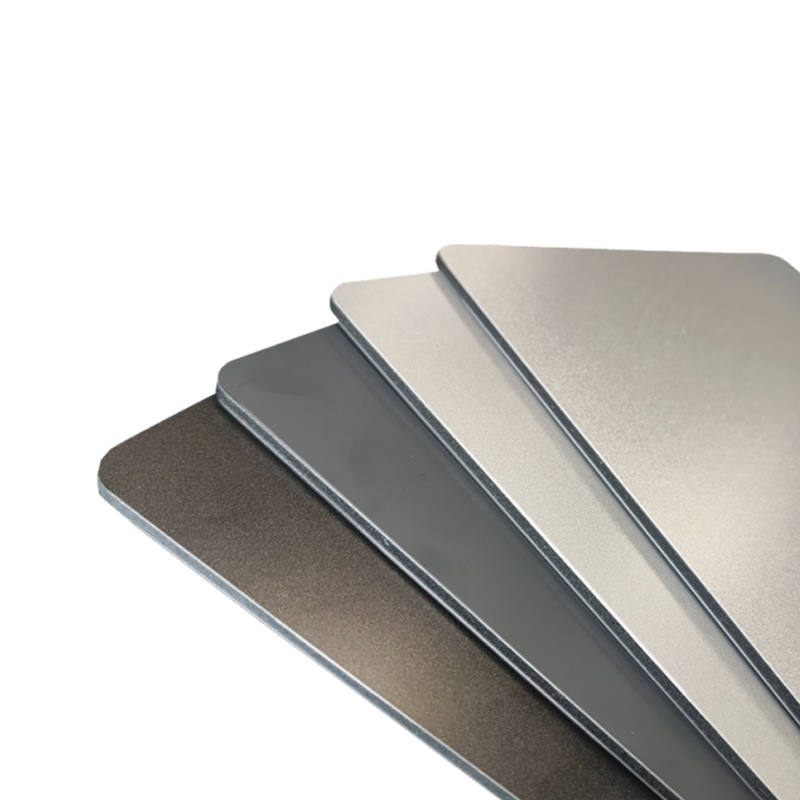
The aluminum composite panel (ACP) industry has come a long way from the days when “color options” meant a handful of basic hues in glossy or matte finishes. Today, ACPs are evolving into sophisticated design tools that push the boundaries of architectural expression. Driven by advances in coating technology, digital printing, nanotechnology, and sustainability demands, the next generation of ACP finishes is redefining what is possible for building facades, interiors, and signage.
For procurement professionals, architects, and specifiers, staying ahead of these trends is essential to delivering projects that are not only visually stunning but also durable, sustainable, and future-proof. This article explores the most exciting developments in ACP finishes and what they mean for the future of architectural design.
1. Hyper-Realistic Natural Material Replication
One of the most significant trends in ACP finishes is the pursuit of authenticity. Today’s wood grain, stone, and marble finishes are nearly indistinguishable from the natural materials they emulate—and they offer superior performance.
Wood Grain Finishes
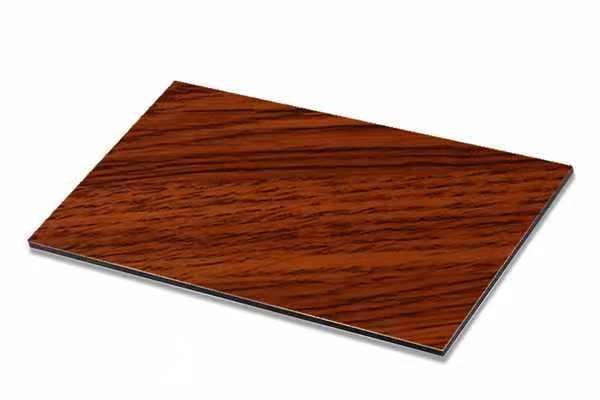
Modern wood grain ACPs use high-definition gravure printing combined with embossed textures that replicate the grain pattern, knots, and even the tactile feel of timber. Species ranging from teak and oak to walnut and cedar are available with remarkable realism. Unlike natural wood, these panels do not warp, rot, or require sealing, and they are available with A2 fire-rated cores for high-rise applications.
Stone and Marble Effects
Digital printing technology now allows for seamless replication of marble veining, granite speckling, and slate textures. The patterns can be customized to match specific quarry sources, and large-format printing eliminates the visible repetition that plagued earlier generations. The result is the prestige of natural stone without the weight, structural reinforcement, or quarrying environmental impact.
2. Ultra-Matte and Super-Matte Finishes
Matte finishes have surged in popularity over the past decade, and the trend is intensifying. The new frontier is ultra-matte and super-matte finishes with gloss levels as low as 2–5 GU (gloss units). These surfaces absorb light rather than reflecting it, creating a velvety, almost non-reflective appearance that emphasizes form and color
Advantages:
- Eliminates glare completely, ideal for dense urban environments
- Hides fingerprints, smudges, and minor surface imperfections
- Creates a sophisticated, contemporary aesthetic
- Enhances color depth and saturation
Leading coating manufacturers now offer ultra-matte PVDF systems that maintain durability and weather resistance while achieving these ultra-low gloss levels—a significant technical achievement.
3. Anti-Fingerprint and Self-Cleaning Nanotechnology
Surface contamination—fingerprints, dust, water spots, and pollution—has always been a maintenance challenge for ACPs. Nanotechnology is providing the solution.
Anti-Fingerprint Coatings
Advanced nano-coatings create surfaces that repel oils and moisture. Fingerprints do not adhere, and those that do can be wiped away effortlessly. This is particularly valuable for interior applications, retail environments, and any surface accessible to the public.
Self-Cleaning (Photocatalytic) Surfaces
Taking nanotechnology further, photocatalytic coatings use titanium dioxide (TiO₂) to break down organic dirt when exposed to UV light. Rain then washes away the loosened contaminants. These “self-cleaning” ACPs maintain their appearance with minimal manual intervention, reducing maintenance costs and preserving aesthetic quality in polluted urban environments.
4. Custom Digital Printing and Personalization
Digital printing has liberated ACP design from the constraints of pre-defined colors and patterns. Today, virtually any image, graphic, or pattern can be printed directly onto ACP surfaces with exceptional durability.
Applications:
- Branded facades: Corporate logos, brand patterns, or signature graphics integrated into the building envelope
- Artistic installations: Murals, abstract compositions, or photographic imagery on a monumental scale
- Cultural expression: Regional motifs, historical references, or community identity woven into architecture
- Wayfinding and signage: Integrated graphics that combine function with design
UV-curable inks and protective clear coats ensure that digitally printed ACPs resist fading for 10+ years, making them suitable for both exterior and interior applications.
5. Textured and Tactile Surfaces
Flat surfaces are giving way to finishes that invite touch. Textured ACPs add a third dimension to design, creating visual depth and tactile engagement.
Embossed Textures
Mechanical embossing creates raised patterns—from subtle linen textures to deep geometric reliefs. These textures catch light differently throughout the day, creating dynamic visual effects.
Soft-Touch and Velvet Finishes
Soft-touch coatings combine matte aesthetics with a velvety, warm feel. These finishes are gaining popularity in interior applications—lobbies, elevator cabs, reception desks—where tactile experience contributes to perceived quality and comfort.
6. Sustainable and Bio-Based Coatings
As green building certifications (LEED, BREEAM, WELL) become standard requirements, the coatings industry is responding with more sustainable formulations.
Low-VOC and VOC-Free Coatings
Water-based PVDF and polyester coatings with dramatically reduced volatile organic compounds (VOCs) are entering the market. These coatings meet the most stringent environmental regulations without compromising durability.
Bio-Based Resins
Emerging technologies are incorporating renewable raw materials—derived from plants rather than petroleum—into coating resins. These bio-based coatings maintain performance while reducing the carbon footprint of the finished panel.
Recyclable and Mono-Material Construction
Manufacturers are developing ACPs designed for end-of-life recyclability, with coating systems that do not contaminate the aluminum recycling stream. This circular economy approach aligns with regulatory trends and corporate sustainability commitments.
7. Metallic and Interference Finishes
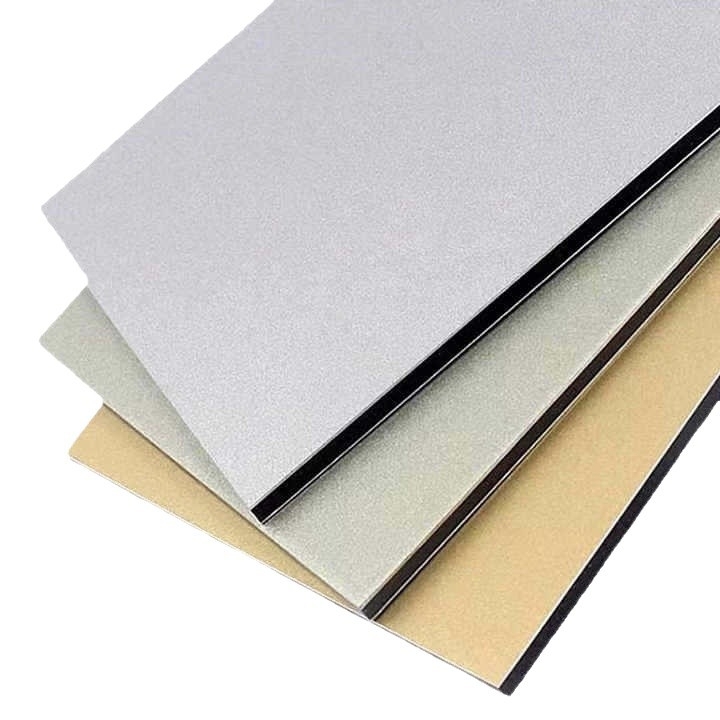
Metallic finishes continue to evolve, moving beyond standard silver and gold to include:
Color-Shifting (Interference) Pigments
These pigments change color based on viewing angle and lighting conditions, creating dynamic facades that transform throughout the day. A panel that appears blue-green at noon may shift to purple at dusk.
Liquid Metal Finishes
High-end liquid metal coatings replicate the appearance of polished bronze, copper, stainless steel, and brass. These finishes offer the prestige of real metal with the lightweight, formable characteristics of ACP.
Satin and Brushed Metallics
Refined metallic finishes with controlled gloss levels offer the luxury of metal without the distracting reflectivity of high-gloss mirror surfaces.
8. Fire-Rated Aesthetic Finishes
Historically, achieving A2 fire classification (non-combustible) often meant limited aesthetic options. That is changing. Manufacturers are now offering A2 mineral-core panels with the full range of aesthetic finishes—wood grain, stone, metallic, custom digital prints, and ultra-matte—previously available only on polyethylene-core panels.
This convergence of safety and aesthetics is critical for high-rise buildings, where A2 materials are mandatory, but design expectations remain high.
9. Dynamic and Responsive Surfaces
Looking further ahead, the next frontier is ACP finishes that actively respond to their environment:
Thermochromic Finishes
Coatings that change color with temperature variations, creating facades that shift from cool to warm hues as the day progresses.
Photochromic Finishes
Surfaces that darken or lighten in response to UV intensity, providing adaptive shading and glare control.
Integrated Lighting
ACPs with embedded LED systems or light-diffusing surfaces that transform facades into programmable light displays.
While these technologies are currently in niche or prototype stages, they point to a future where building envelopes are not passive surfaces but active participants in environmental performance and visual expression.
What These Trends Mean for Procurement Professionals
For buyers and specifiers, the proliferation of new ACP finishes brings both opportunities and responsibilities:
1. Verify Durability Claims
New finishes—especially digital prints, ultra-mattes, and bio-based coatings—require verification. Request accelerated weathering test reports (per ASTM D2244 or ISO 16474) confirming color change (ΔE) and gloss retention over time.
2. Understand Coating Systems
Not all new finishes are created equal. Ensure that aesthetic innovations are built on proven PVDF coating systems for exterior applications. Polyester-based novelties may offer lower upfront cost but shorter service life.
3. Require Physical Samples
Digital renderings cannot convey the true appearance of textured, metallic, or ultra-matte finishes. Full-size physical samples evaluated under site-specific lighting are essential.
4. Confirm Fire Ratings
If specifying high-performance finishes for high-rise projects, verify that the A2 fire rating applies to the finished panel, not just the base core material.
5. Plan for Lead Times
Custom digital prints, special-order finishes, and new coating technologies may require extended production lead times. Factor this into project schedules.
6. Evaluate Total Cost of Ownership
A premium finish with extended durability and reduced maintenance requirements often delivers better lifecycle value than a standard finish with lower upfront cost.
The Future Is Already Here
The pace of innovation in ACP finishes is accelerating. What was considered cutting-edge five years ago—realistic wood grain, high-durability digital printing—is now mainstream. Today’s emerging technologies—ultra-matte, self-cleaning nanocoatings, bio-based resins, and dynamic surfaces—will soon become standard expectations.
For procurement professionals, staying informed about these developments is not just about keeping up with trends. It is about making strategic choices that deliver buildings with lasting visual impact, reduced operational costs, and alignment with sustainability goals. The future of ACP aesthetics is rich with possibility—and it is available today for projects that demand the best.