Welcome to Vbond
The Future of Building Facades: Sustainable ACP Trends in 2026
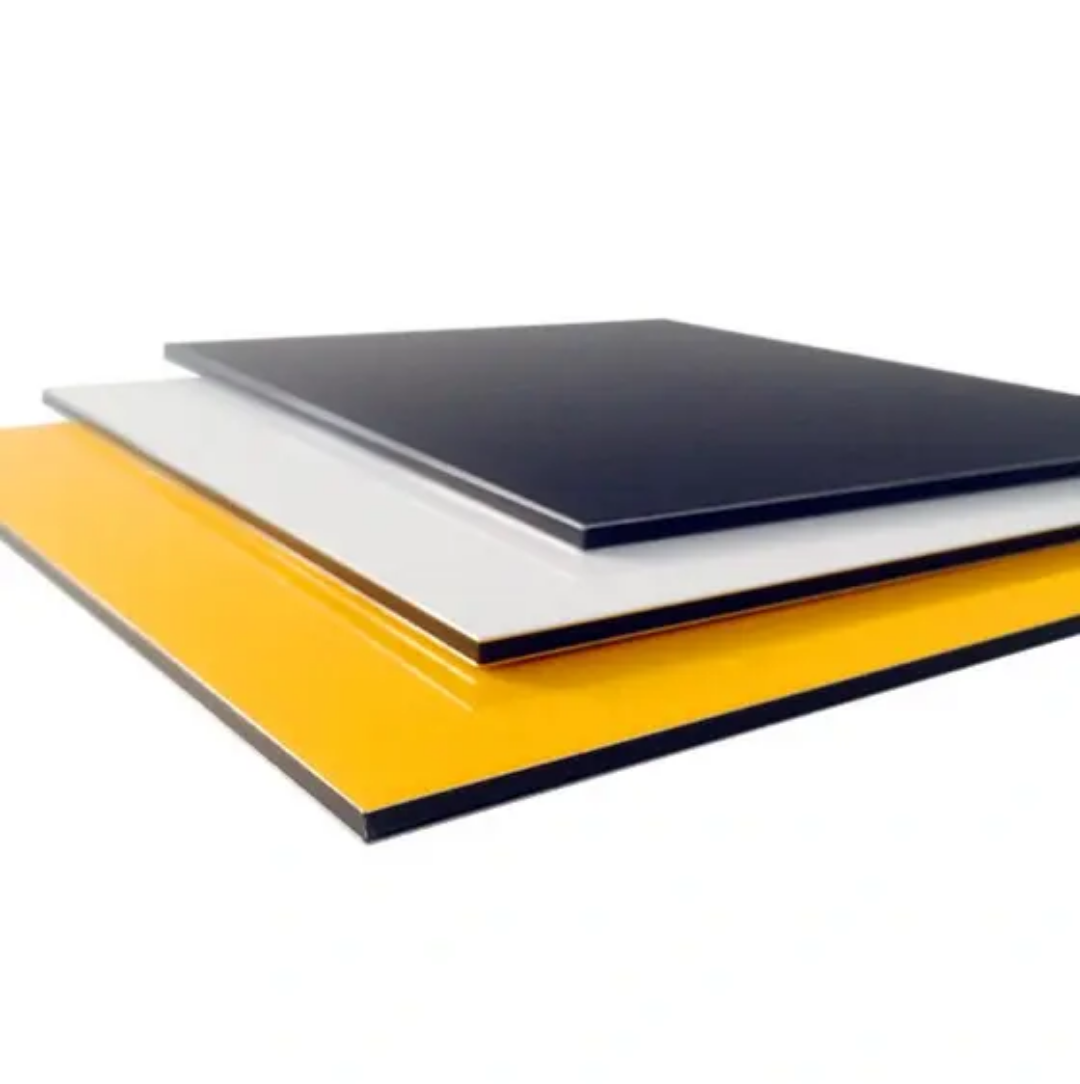
The building facade is undergoing a profound transformation. No longer just a static shell, it is evolving into a dynamic, intelligent, and regenerative interface between the built and natural environment. In 2026, the evolution of Aluminum Composite Panels (ACP) is at the heart of this change. Driven by stringent global regulations, advanced material science, and a holistic view of sustainability, the next generation of ACP is set to redefine industry standards. This article explores the key trends that will shape sustainable ACP facades in the coming year and beyond.
1. Beyond Greenwashing: The Era of Verified Sustainability and Mandatory Assurance
In 2026, sustainability claims face unprecedented scrutiny. With regulations like the EU's Corporate Sustainability Reporting Directive (CSRD) fully in effect, "greenwashing" — making false or exaggerated environmental claims — will meet aggressive enforcement and legal risk. For ACP, this means that sustainability must be quantifiable, verifiable, and integral to the product lifecycle.
Third-Party Verification is Non-Negotiable: Sustainability data will require mandatory assurance from independent auditors, bringing environmental reporting to the rigor of financial reporting. Architects and developers must prioritize ACP products backed by comprehensive, audited Environmental Product Declarations (EPDs) that transparently detail carbon footprint, recycled content, and end-of-life recyclability.
Full Lifecycle Accountability: Leading manufacturers are already demonstrating this with closed-loop production. Examples include using 96.6% post-industrial recycled aluminum, achieving near-total material recovery rates (96.3%-99.3%), and powering plants with on-site renewable energy. Specifying such products is becoming a baseline for compliance and genuine corporate responsibility.
2. Material Innovation: The Next Generation of Core Technologies
The core of an ACP panel is the center of innovation. The future moves beyond standard fire-retardant (FR) cores toward materials that are safe, sustainable, and high-performing.
Inherently Fire-Safe Mineral Cores (A2 Grade): The demand for the highest fire safety, as seen in products with non-combustible A2-grade mineral cores, will become standard for most high-rise and public buildings, driven by stricter global building codes.
Carbon-Capturing and Bio-Based Cores: Cutting-edge research is creating polymers from captured industrial CO₂. One promising example is polypropylene carbonate (PPC), a material that not only sequesters carbon (0.42 tons of CO₂ per ton of plastic) but also boasts a production cost rivaling traditional plastics and superior oxygen barrier properties. This points to a future where ACP cores could actively reduce atmospheric carbon.
Reversible and Recyclable Polymers: The emerging science of Reversibly Cross-linked Polymers (RCPs) offers a paradigm shift. These materials maintain high strength and durability but can be chemically depolymerized at end-of-life, enabling true closed-loop recycling back to high-quality monomers, eliminating downcycling.
3. Smart and Performative Facades: Beyond Aesthetics
The facade of 2026 is a multi-functional building organ. ACP's versatility makes it an ideal substrate for integrating advanced functionalities that enhance building performance and occupant well-being.
Integrated Photovoltaics (BIPV): ACP panels with seamlessly integrated, thin-film solar cells are transitioning from concept to commercial reality. This transforms the building envelope into an active power generator, a key feature for projects targeting net-zero energy, as exemplified by initiatives like the UAE Energy Strategy 2050.
Advanced Thermal and Self-Cleaning Coatings: To combat urban heat islands and reduce cooling loads—especially critical in hot climates—new ACP finishes feature high Total Solar Reflectance (TSR). These "cool wall" coatings, even in dark colors, can reflect infrared radiation, significantly lowering surface temperatures and reducing indoor cooling energy use by up to 24%. Coupled with nano-scale "easy-clean" coatings that repel water, oil, and dirt, these panels dramatically reduce maintenance needs and preserve aesthetic integrity.
Biophilic Integration: ACP's strength and formability provide an ideal structural base for vertical gardens and integrated greenery systems. These biophilic facades reduce heat absorption, improve air quality, and enhance human connection to nature, a trend strongly embraced in urban centers like Dubai.
4. The Digital and Regulatory Ecosystem: AI, Data, and Supply Chain Transparency
Sustainable facades are enabled by digital technology and governed by an expanding regulatory landscape.
AI-Driven Design and Compliance: Artificial Intelligence is becoming crucial for managing complex ESG data across the supply chain. AI tools can optimize facade design for energy performance, automate life-cycle assessments (LCA) for ACP selections, and help ensure all components meet evolving sustainability criteria.
Supply Chain ESG Pressure: Sustainability compliance is cascading down the supply chain. Large contractors and developers, required to report Scope 3 emissions, will demand verified ESG data from all suppliers, including ACP manufacturers. This makes transparency a competitive advantage and a requirement for doing business.
Comparing Sustainable ACP Trends for 2026
Trend | Core Principle | Impact on ACP Specification | Key Driver |
Verified Sustainability | Trust through audited data | Demand for EPDs & 3rd-party certified recycled content | Anti-greenwashing regulations & CSRD |
Advanced Material Cores | Safety & Circularity | Preference for A2 mineral cores & R&D into CO₂-based polymers | Fire safety codes & Net-zero carbon goals |
Smart Performative Skins | Energy Generation & Efficiency | Integration of BIPV & high-TSR coatings | Rising energy costs & urban heat island effect |
Biophilic & Adaptive Design | Human & Ecological Health | Use as a substrate for green walls & responsive systems | Wellness standards & biodiversity frameworks |
Digital & Regulatory Shift | Transparency & Compliance | AI-powered LCA tools & full supply chain ESG disclosure | Mandatory reporting & investor pressure |
Conclusion: Specifying the Future Facade
The future of building facades lies at the intersection of safety, intelligence, and regenerative design. For industry professionals, specifying ACP in 2026 will require a multifaceted approach:
1. Audit the Data: Prioritize products with independently verified, full-lifecycle environmental data.
2. Embrace Multi-Functionality: Look beyond color and form to how the facade can generate energy, manage heat, and improve well-being.
3. Plan for Circularity: Choose materials designed for disassembly and true recycling, moving towards a waste-free construction model.
The ACP facade is becoming a decisive element in creating resilient, sustainable, and human-centric architecture. By embracing these trends, the industry can ensure that the buildings we create today are responsible assets for the future.






