Welcome to Vbond
The Great Gloss Debate: High-Gloss vs. Matte ACP for Commercial Buildings
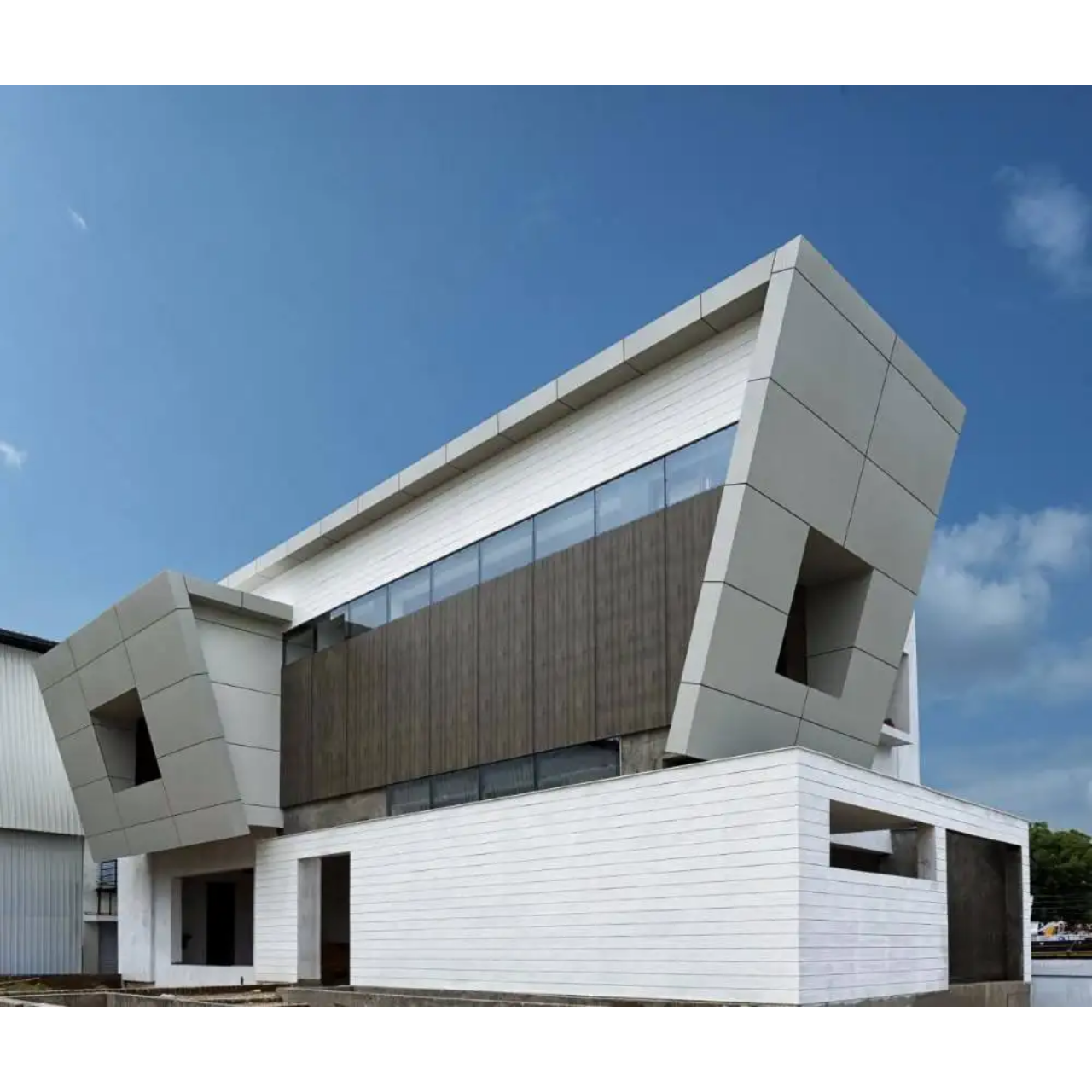
Choosing the right finish for your building's Aluminum Composite Panel (ACP) facade is more than a simple aesthetic preference—it’s a strategic decision that impacts visibility, maintenance, architectural harmony, and long-term performance. The choice between high-gloss ACP and matte ACP defines a building's character and interaction with its environment.
This guide breaks down the technical, practical, and design considerations to help architects, developers, and facility managers make an informed choice for their next commercial project.
1. Defining the Finishes: More Than Just Shine
High-Gloss ACP: Characterized by a polished, reflective surface with a reflectivity rate typically above 70%. It creates a mirror-like effect, actively interacting with light and surroundings.
Matte ACP (or Low-Gloss ACP): Features a non-reflective, diffuse surface with a reflectivity rate usually below 30%. It provides a smooth, contemporary look that absorbs rather than reflects light.
2. Head-to-Head: Performance and Aesthetics
Feature | High-Gloss ACP | Matte ACP |
Visual Impact & Architecture | Creates bold, dynamic facades; conveys modernity, prestige, and technological advancement. Ideal for iconic landmark buildings, corporate HQs, and retail spaces seeking high visibility. | Projects sophistication, subtlety, and solidity. Excellent for minimalist design, blending with natural surroundings, and emphasizing form over reflection. Suits offices, educational, and healthcare facilities. |
Interaction with Light | Highly responsive to ambient light—changes appearance throughout the day. Can enhance natural light distribution via reflection. | Provides consistent color and appearance** regardless of sun angle or time of day. Eliminates light glare issues. |
Camouflaging Imperfections | Low. Highlights surface imperfections, seams, and minor denting due to its reflective nature. Demands impeccable substrate and installation. | High. The diffuse surface effectively conceals minor imperfections, joint lines, and surface irregularities, offering more forgiveness. |
Perception of Scale & Depth | Can create visual illusions, making buildings appear slimmer or more dynamic. Reflection can blur boundaries. | Emphasizes the true texture and massing of the building. Colors appear deeper and more saturated. |
*Maintenance & Cleanliness | Shows dirt, water spots, and streaks more readily. Requires more frequent cleaning to maintain a pristine appearance. Fingerprints and smudges are visible in accessible areas. | More forgiving of dust, dirt, and cleaning streaks. Maintains a cleaner appearance for longer intervals between washes. |
3. Critical Technical and Practical Considerations
Glare and Light Pollution: High-gloss facades can create significant solar glare, potentially disturbing drivers, adjacent buildings, or public spaces. This may be regulated by local ordinances. Matte finishes eliminate this risk.
Durability and Coatings: Both finishes utilize the same high-performance PVDF (Kynar 500/Hylar 5000) coatings for outstanding color retention, chalk resistance, and UV stability. The difference is in the surface texture, not the protective quality.
Thermal Performance: Gloss level has a minimal direct effect on thermal performance. However, high-gloss panels may reflect slightly more solar radiation, potentially reducing cooling loads—a factor often calculated in building energy modeling.
Cost Implications: Matte finishes sometimes carry a small premium due to specialized coating formulations. However, potential lower lifetime cleaning costs for matte can offset this initial difference.
4. Application-Specific Recommendations
Choose High-Gloss ACP for:
Signature Architecture: Buildings designed to be landmarks and make a bold statement.
Corporate & Retail Brands: Seeking to project innovation, energy, and luxury.
Light Manipulation: Projects where reflecting the sky or surroundings is a desired design feature.
Urban Settings: Where adding dynamic visual interest to a dense streetscape is a goal.
Choose Matte ACP for:
Large-Scale Facades: Where consistent, uniform appearance is critical without panel-to-panel reflection variance.
Sensitive Environments: Near highways, airports, or residential areas where glare mitigation is a priority.
Budget & Maintenance-Conscious Projects: Where lower long-term upkeep is valued.
Modern & Minimalist Design: Scandinavian, Brutalist, or contemporary styles that emphasize form and materiality.
Hot Climates: Where reducing visual heat glare is beneficial for occupant comfort.
The Verdict: It’s About Context and Concept
There is no universally "better" finish. The decision hinges on the architectural narrative, site context, and operational priorities.
For maximum visual impact and a dynamic, ever-changing facade, choose High-Gloss ACP. Be prepared for a commitment to higher maintenance and ensure compliance with glare regulations.
For sophisticated elegance, material honesty, and practical, low-maintenance performance, choose Matte ACP. It offers durability and design consistency that ages gracefully.
Pro Tip: Always review large-scale physical samples of both finishes in the intended colors, viewing them vertically under natural light at different times of day. This is the most reliable way to evaluate the true effect and make a confident, project-specific choice.
Ultimately, by moving beyond the gloss debate to a detailed analysis of performance, you can select the ACP finish that not only looks stunning on day one but also delivers lasting value and beauty for the life of your commercial building.






