Welcome to Vbond
The Grenfell Tower Legacy: A Technical Look at Modern Fire-Safe ACP
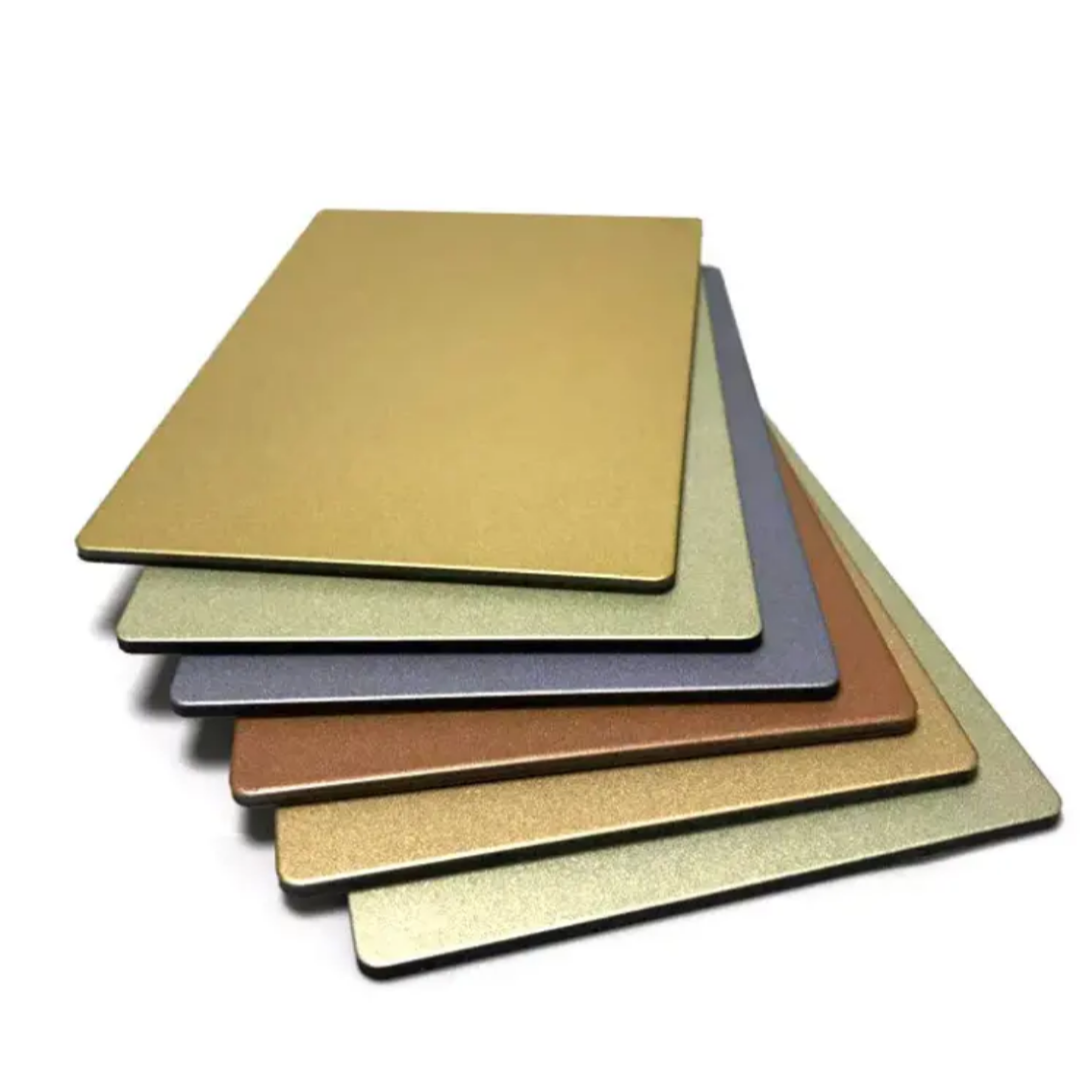
On June 14, 2017, the world watched in horror as Grenfell Tower in London became an inferno that claimed 72 lives and exposed a global failure in building safety. The fire started from a faulty refrigerator in a fourth-floor apartment, but what turned a domestic incident into a catastrophic disaster was the building's recently installed cladding—Aluminum Composite Panels (ACP) with a combustible polyethylene core. Seven years later, the legacy of Grenfell is written into building codes, material standards, and engineering practices worldwide. This article provides a technical examination of how the tragedy has reshaped the specification, testing, and certification of fire-safe ACP for modern construction.
The Grenfell Failure: Understanding the Technical Catastrophe
What Burned at Grenfell?
The Grenfell Tower refurbishment (2015-2016) installed an external cladding system typical of many urban renewal projects: aluminum composite panels fixed over insulation. However, the specific materials selected created a deadly combination. The ACP consisted of two thin aluminum skins bonded to a 100% polyethylene (PE) core—essentially, a plastic-filled panel marketed as an economical cladding solution.
Polyethylene is highly combustible. When exposed to fire, it melts at approximately 120°C, produces intense flaming droplets, and releases enormous heat energy. Behind these panels, the insulation was also combustible polyisocyanurate (PIR), and the design created a cavity that acted as a chimney. When the fire from the fourth-floor apartment breached a window and ignited the ACP, the result was vertical flame spread at terrifying speed—driven by what fire engineers call the "chimney effect".
The Systemic Failure
The Phase 2 report of the Grenfell Tower Inquiry, released in 2024, delivered a devastating verdict: all 72 deaths were avoidable. The report documented decades of negligence, from government deregulation to manufacturers manipulating fire test results. Critically, the inquiry found that manufacturers of ACP components failed to disclose the significantly higher fire risk associated with installing panels in cassette form versus rivet fixing—information that could have changed specification decisions.
This tragedy revealed that relying on small-scale laboratory tests alone was dangerously insufficient. The ACP used at Grenfell reportedly achieved a Class A rating under ASTM E84 (flame spread <25) when tested horizontally, yet performed catastrophically when installed vertically on a real building facade. The lesson was clear: fire safety cannot be reduced to a single number from a bench test.
The Science of Fire-Safe ACP: Core Technologies
In response to Grenfell, the industry has developed and mandated ACP grades that genuinely resist fire. Understanding these technologies is essential for any specifier.
The Core Material Revolution
Modern fire-retardant ACP relies on mineral-filled core technologies that fundamentally alter combustion behavior. Two primary classifications dominate the market today:
1. Fire-Retardant (FR) Class B1
These panels contain approximately 70% mineral content (typically magnesium hydroxide and aluminum trihydroxide) blended with polyethylene. The minerals are halogen-free and inorganic, meaning they do not contribute fuel to a fire. When exposed to heat, these minerals undergo endothermic decomposition—they absorb thermal energy and release water vapor, actively cooling the panel and suppressing flames. B1 panels are classified as "fire-retardant" with low flammability, generating minimal heat and smoke while delaying flame spread.
2. Non-Combustible Class A2
The gold standard for high-risk applications, A2 panels contain 90% mineral content with minimal polymer binder. These materials are classified as non-combustible under international standards. In a fire, A2 panels produce negligible heat, zero flaming droplets, and minimal smoke—critical factors for occupant evacuation and firefighter access. Testing confirms that A2 cores can withstand temperatures exceeding 1000°C for over two hours without structural failure.
How Mineral Cores Break the Fire Triangle
Fire requires three elements: fuel, heat, and oxygen. Mineral-filled ACP eliminates the fuel component. Unlike polyethylene cores that undergo complete pyrolysis with intense heat release, mineral cores achieve partial char formation or maintain complete structural integrity. The endothermic reactions of magnesium hydroxide and aluminum trihydroxide absorb energy that would otherwise accelerate fire growth.
This chemistry translates directly to life safety. The leading cause of fire deaths is smoke inhalation (carbon monoxide and carbon dioxide) in approximately 80% of cases. Mineral-core ACP acts as an active smoke suppressant, maintaining visibility for evacuation while eliminating the flaming droplets that spread fire downward to lower floors.
Testing Protocols: From Laboratory to Reality
The Grenfell disaster exposed the inadequacy of relying solely on small-scale fire tests. Modern certification now requires rigorous multi-stage evaluation.
Small-Scale Material Testing
Initial material characterization uses standardized laboratory methods. ASTM E84 (Steiner Tunnel) measures flame spread and smoke development, with Class A requiring flame spread <25. EN 13501-1 provides the European classification system, rating materials from A1 (completely non-combustible) to F (highly flammable). Compliant fire-safe ACP typically achieves B-s1,d0 (for B1) or A2-s1,d0 (for A2), indicating limited smoke production and no flaming droplets.
ISO 5660 cone calorimeter tests measure heat release rate (HRR) on small specimens. Mineral cores demonstrate peak heat release rates reduced by approximately 65% compared to standard PE cores.
Full-System Assembly Testing
The critical innovation post-Grenfell is the mandate for full-scale system testing. Laboratory tests on isolated materials cannot predict how complete wall assemblies will perform.
BS 8414-1 (UK) and BS 8414-2 represent the most rigorous protocols. These tests construct complete multi-story facade assemblies (minimum 9m height × 6m width) subjected to intense propane burner flames exceeding 4.5MW—simulating a severe compartment fire venting through windows. Tests continue for 60+ minutes while thermocouple arrays (50+ measurement points per square meter) track temperature propagation, flame spread, and structural integrity.
NFPA 285 (US) similarly evaluates vertical flame spread characteristics, establishing criteria that flames must not extend beyond 10 feet from the test window opening.
Critically, research reveals that approximately 40% of panels passing laboratory tests subsequently fail full-scale evaluations due to overlooked factors, including thermal bridging at panel joints, improper fastener selection, and air cavity effects that accelerate vertical flame spread. This reality has driven regulatory changes worldwide.
Regulatory Transformation: The Post-Grenfell Landscape
United Kingdom: Fundamental Reform
The UK has implemented the most sweeping changes. Following the Grenfell Inquiry Phase 2 report, which found that "Approved Document B" failed to provide information needed to design fire-safe buildings, the government has pursued multiple reforms.
Scotland moved decisively, banning highly combustible metal composite material panels on all buildings regardless of height and prohibiting combustible external wall cladding systems on domestic and high-risk buildings exceeding 11 meters. The regulations require external wall cladding systems to be non-combustible or subject to large-scale fire testing.
The Building Safety Act 2022 and Fire Safety Act 2021 have established new regulatory regimes, with enhanced third-party certification requirements and mandatory competence regimes for designers and installers. PAS 9980 now provides a methodology for assessing external wall fire risk in existing buildings.
International Response
Australia, following the 2014 Lacrosse building fire in Melbourne, updated national building codes and conducted extensive cladding audits. The UAE changed building codes to prohibit combustible cores in cladding, now requiring full-scale testing for tall buildings.
In New Zealand, the Enright Report (2017) found "reasonable grounds" that six types of ACP would be unlikely to satisfy performance requirements for vertical fire spread, recommending suspension of certifications.
The Danish Perspective
The Danish Institute of Fire and Security Technology (DBI) notes that Denmark's regulatory system with pre-approved solutions prevents facade constructions like Grenfell Tower. Denmark uses ACP with fire-retardant cores, not combustible versions, and the certification scheme provides documentation and oversight. However, experts caution that "simple and traditional construction can become complex in design and execution," requiring competence throughout the construction value chain.
Engineering Considerations for Modern ACP Specification
For architects, engineers, and specifiers, the post-Grenfell era demands heightened diligence.
Material Selection Protocol
Specifying fire-safe ACP requires verification beyond manufacturer claims. Critical steps include:
1. Demand third-party certification: Look for documented evidence of compliance with EN 13501-1 (A2 or B-s1,d0), NFPA 285, or equivalent standards.
2. Verify full-system testing: Material certificates alone are insufficient. Require evidence that the complete wall assembly (panels, insulation, cavity barriers, attachments) has passed BS 8414 or equivalent full-scale testing.
3. Confirm core composition: For high-risk buildings (schools, hospitals, high-rise residential), specify A2 mineral-core panels with documented non-combustible performance.
4. Review installation methodology: The Grenfell inquiry highlighted that cassette installation creates different fire risks than rivet fixing—specifications must account for installation details.
The Role of Quality Assurance
Consistent fire performance demands rigorous quality control. Advanced manufacturers now implement blockchain-based traceability systems where each panel receives a laser-etched QR code linking to complete fire test documentation and production history. AI-powered thermal imaging systems continuously scan panels for core density variations exceeding 2%, which could compromise fire barrier continuity.
These measures have reduced fire performance variability in certified ACPs by over 75% since 2020.
Emerging Technologies and Future Directions
The field continues to evolve with transformative innovations:
Nano-engineered intumescent coatings incorporating graphene oxide platelets form ultra-lightweight char layers when heated, reducing heat transfer through panel assemblies by 70% while maintaining adhesion at temperatures up to 800°C.
Embedded IoT sensor networks within panel cores can detect thermal anomalies at 80°C (well below ignition thresholds) and transmit real-time alerts to building management systems, enabling predictive fire prevention.
Self-extinguishing core materials containing microencapsulated flame retardants that activate at specific temperatures, and aerogel-infused panel designs maintaining structural integrity beyond 1200°C, are projected to redefine fire safety expectations by 2030.
Virtual testing platforms using computational fluid dynamics (CFD) and digital twin technology can now simulate complete building facade fire scenarios with 92% correlation to physical tests.
Conclusion: Building a Safer Legacy
The Grenfell Tower tragedy was a watershed moment for the construction industry. The 72 lives lost were not taken by fire alone, but by decades of regulatory failure, commercial greed, and professional negligence. The final report's conclusion was unequivocal: "Everyone failed".
Yet from this devastation has emerged a transformed understanding of fire-safe construction. Modern Aluminum Composite Panels bear little resemblance to the combustible PE-core materials that clad Grenfell. Today's A2 mineral-core panels, validated through full-scale testing and verified through rigorous certification, deliver genuine fire resistance that protects lives and property.
For specifiers, the legacy of Grenfell imposes both a burden and an opportunity: the burden of diligence in material selection, verification, and installation; and the opportunity to build structures that honor the memory of those lost by ensuring such a tragedy never repeats.
As the Grenfell Inquiry's Phase 2 report made clear, "the 72 deaths were all avoidable". The question for today's construction industry is whether we have learned enough to ensure future generations can say the same about buildings designed and constructed in our time.






