Welcome to Vbond
The Growing Trend of Digital Printing on Aluminum Composite Panels
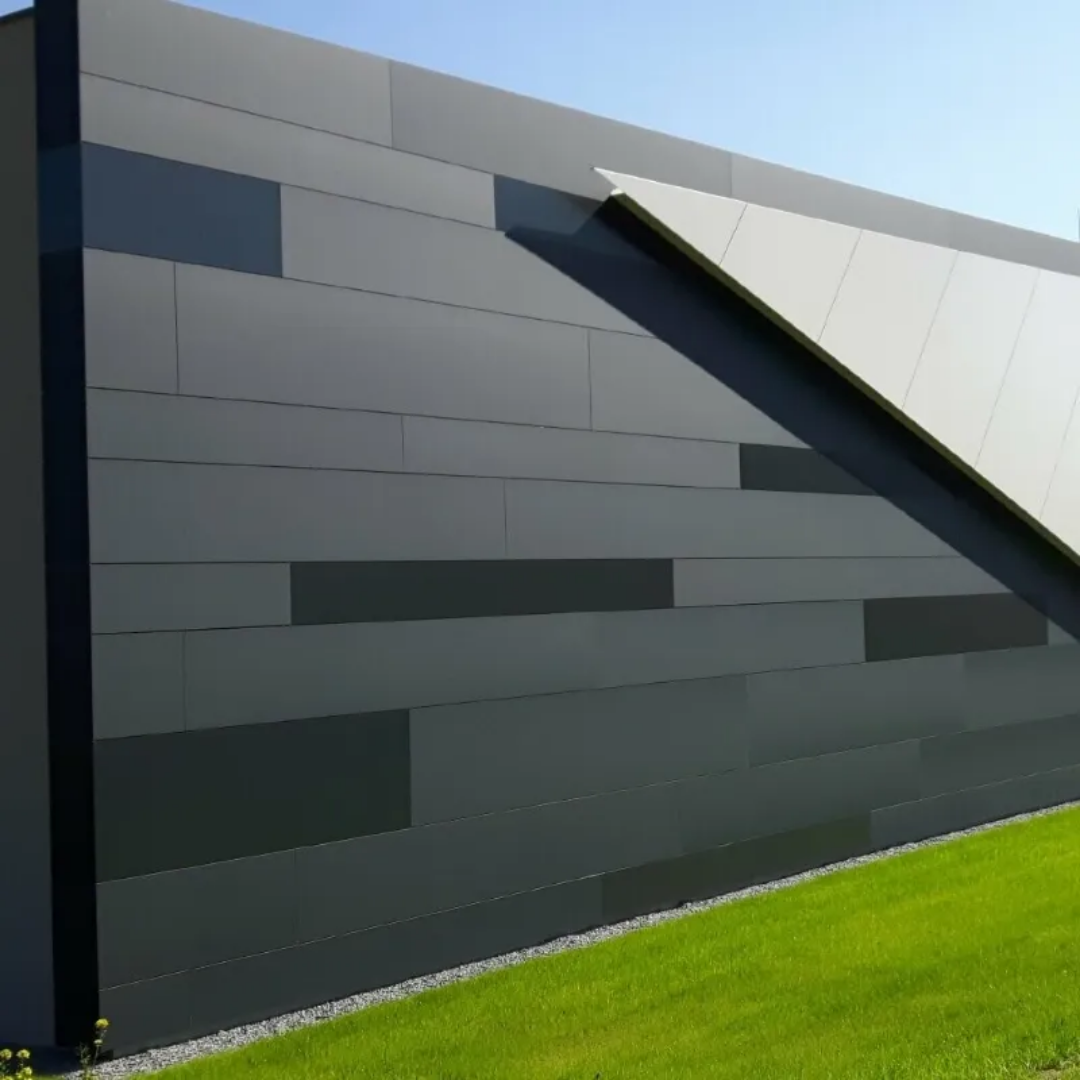
Once confined to flat, single-color finishes, aluminum composite panels (ACPs) are now becoming dynamic canvases for architectural expression. The rise of digital printing technology is revolutionizing the ACP industry, allowing architects, brand managers, and building owners to transform standard cladding into vibrant, custom-designed facades. This shift is redefining what is possible in modern construction, merging the durability of ACPs with the limitless creative potential of high-resolution digital imaging.
This guide explores the technology, benefits, and applications driving this trend, providing essential insights for procurement professionals looking to stay ahead of the curve.
1. Why Digital Printing is Gaining Traction in the ACP Market
The global market for aluminum composite panels is projected to experience significant growth, driven by trends like digital printing, sustainability, and lightweight designs[reference:0]. As of 2025, the market is valued at over $7 billion, with expectations to surpass $11 billion by the early 2030s.
Several key factors are fueling the adoption of digitally printed ACPs:
Demand for Customization: Generic facades are no longer sufficient. Retailers, corporate offices, and luxury residences demand unique, branded environments that stand out. Digital printing enables the creation of bespoke patterns, logos, and photographic murals without the high costs of traditional manufacturing methods.
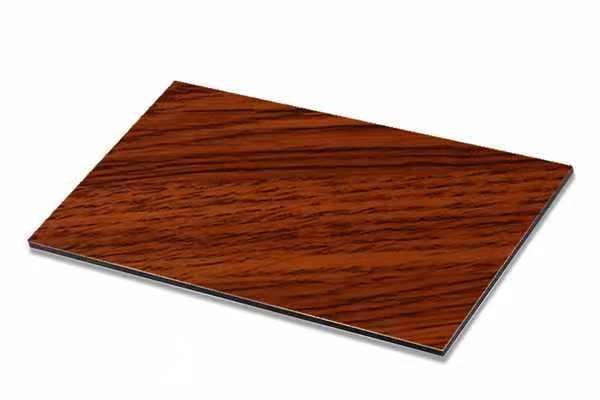
Mimicking Natural Materials: Digital printing allows ACPs to accurately replicate the look of expensive materials like marble, wood, and stone at a fraction of the cost and weight, all while maintaining the superior weather resistance of aluminum.
Rapid Prototyping and Short Runs: Unlike screen printing, which requires expensive setup and is only cost-effective for large volumes, digital printing has low setup costs and is ideal for short production runs, allowing for rapid prototyping and design changes.
2. The Technology Behind the Trend: UV Digital Printing
While several digital methods exist, UV digital printing is the industry standard for exterior ACP cladding due to its speed, durability, and eco-friendliness.
UV printing is a direct-to-substrate process that uses ultraviolet light to instantly cure (dry) specialized inks as they are applied directly onto the aluminum surface[reference:6]. This technology is often executed on large-format flatbed printers, which can accommodate rigid panels, making them ideal for printing directly onto ACP sheets.
Unlike traditional methods that may require printing plates or screens, UV printing uses digital files to apply full-color, high-resolution images directly, enabling rapid production with exceptional precision. For the best adhesion and a glossy finish, a UV adhesion promoter is often applied to the panel’s surface before printing to ensure the ink bonds permanently.
3. Key Advantages for Building Projects
For professional buyers, the appeal of digital printed ACPs extends far beyond their aesthetic qualities, offering tangible benefits in terms of performance and cost.
Superior Image Quality: Digital printing on ACPs can achieve resolutions up to 1200dpi, enabling photo-realistic images and complex designs with a pattern repetition error of less than 0.1mm.
Enhanced Durability: When paired with a high-quality protective clear coat or PVDF (polyvinylidene fluoride) coating, the printed surface can resist UV radiation, preventing fading for up to 10 years, while also offering good scratch and stain resistance. Some manufacturers offer PVDF-coated panels with UV printing, providing superior corrosion and UV resistance compared to standard PE-coated panels, with warranties ranging from 8–20 years.
Design Versatility: The panels can be printed on one or both sides, offering flexibility for applications like interior partitions or freestanding signage. Additionally, they can be easily cut, routed, and bent after printing without damaging the graphic, allowing for complex 3D installations.
4. Diverse Applications Across Industries
The lightweight, durable nature of ACPs makes them suitable for a wide range of environments.
Architectural Facades & Exteriors: Digital printing is transforming building exteriors, from corporate headquarters with branded motifs to shopping malls using printed ACPs to simulate natural stone textures.
Interior Design & Branding: In interiors, printed ACPs are used for feature walls, ceiling panels, and decorative elements. They allow offices, hotels, and retail stores to incorporate custom designs, cultural elements, or abstract art to create unique spatial atmospheres.
Signage & Displays: ACPs are a perfect substrate for durable outdoor signage. Their rigid, weather-resistant construction supports high-impact, photo-quality graphics for billboards, shop displays, and wayfinding systems.
5. Future Outlook: What to Expect
The market for digitally printed ACPs is expected to continue its rapid expansion. The global market for color printing aluminum composite panels is projected to grow from nearly $3 billion in 2025 to almost $4 billion by 2032, indicating strong, sustained demand.
Future trends will likely focus on the integration of additional performance features, such as:
Nano-Coatings: Applied as a protective layer over the print, nano-coatings offer self-cleaning properties, enhanced UV resistance, and scratch resistance, making printed facades even more durable and low-maintenance.
3D Textured Printing: Emerging technologies are enabling the creation of embossed or raised patterns that add depth and a sense of realism to printed panels.
Sustainability: As green building initiatives grow, manufacturers are focusing on eco-friendly ACPs made from recyclable materials and low-VOC printing processes, aligning with stricter environmental regulations.
6. How to Select the Right Digital Printed ACP for Your Project
When sourcing digital printed ACPs, procurement professionals should prioritize the following:
1. Substrate Quality: Ensure the base ACP has a high-quality PVDF coating. This not only protects the panel from the elements but also provides the best surface for ink adhesion and long-term color retention.
2. Print Resolution: Look for suppliers offering high-resolution UV printing (e.g., 1200dpi) to ensure fine details and crisp imagery.
3. Protective Topcoat: Verify that a clear, UV-resistant topcoat is applied over the ink to protect the print from scratching, chalking, and fading due to sun exposure.
4. Warranty & Testing: Request accelerated weathering test reports to confirm the printed panel's colorfastness (ΔE value) and gloss retention for the specific project location.
Conclusion
Digital printing is revolutionizing the role of aluminum composite panels, moving them from simple building materials to integral components of architectural storytelling. For buyers, this trend offers an unprecedented opportunity to achieve highly customized, durable, and cost-effective facades. By choosing high-quality PVDF-coated ACPs paired with advanced UV printing, you can create a building envelope that is not only visually stunning but also built to last for decades.