Welcome to Vbond
The Impact of Tariffs and Trade Wars on the Aluminum Composite Panel Industry
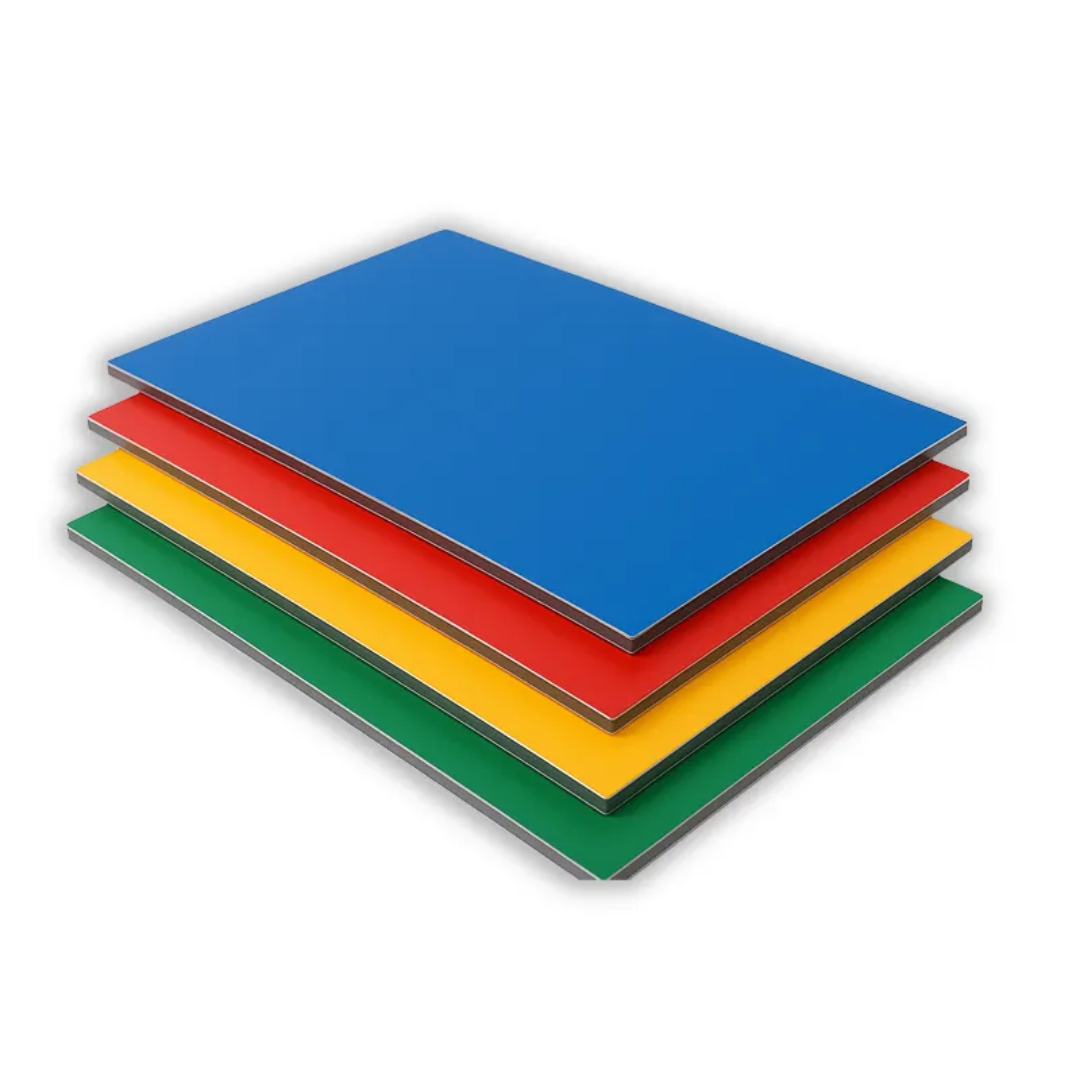
For procurement professionals, the aluminum composite panel (ACP) industry has always been global in nature. Raw aluminum is sourced internationally, manufacturing is concentrated in key regions, and finished panels are shipped across oceans to meet construction demand worldwide. But in recent years, the industry has faced an unprecedented wave of trade barriers that are fundamentally reshaping supply chains, pricing dynamics, and sourcing strategies.
Between 2025 and 2026, a cascade of tariffs, anti-dumping duties, and countervailing measures has transformed the trade landscape for aluminum products—including the aluminum composite panels that clad buildings across the globe. From the United States’ aggressive Section 232 tariffs to India’s safeguard duties and the Gulf Cooperation Council’s anti-dumping actions, the message is clear: the era of frictionless global trade in aluminum products is over.
This article provides a comprehensive analysis of how tariffs and trade wars are affecting the aluminum composite panel industry, examining key markets, quantifying impacts, and offering actionable strategies for procurement professionals navigating this volatile environment.
1. The Escalating Tariff Landscape
The current wave of trade restrictions targeting aluminum products can be traced to several overlapping policy initiatives, each with distinct mechanisms and affected product ranges.
Section 232 Tariffs (United States)
The United States has emerged as the most aggressive enforcer of aluminum tariffs. Under the authority of Section 232 of the Trade Expansion Act of 1962, the U.S. has progressively escalated duties on aluminum imports across three key phases.
In March 2025, the U.S. eliminated previous country-specific exemptions and raised the base aluminum tariff from 10% to 25%, applied uniformly to all trading partners. Just three months later, in June 2025, the rate was doubled to 50%, marking the highest level since the Section 232 regime was first implemented in 2018. Only the United Kingdom retained a 25% rate under strict supply chain conditions.
The 2025 tariff escalation directly impacted the ACP supply chain. However, the most significant development for ACP importers came in 2026, when the U.S. government refined its approach by extending the 50% duty to downstream derivative products and clarifying that the tariff is additive to all other applicable duties. Importantly, the revised rules eliminated a previous loophole that allowed importers to avoid the full duty on composite products by underreporting the value of the aluminum component. The tariff now applies to the full commercial value of finished products—including aluminum composite panels—substantially increasing the landed cost of Chinese-made ACPs in the U.S. market.
Section 301 Tariffs (United States)
In addition to Section 232 duties, Chinese-origin aluminum products have been subject to Section 301 tariffs since the U.S.-China trade war began in 2018. These duties, which target goods from China specifically, range from 7.5% to 100% depending on the product category. For aluminum composite panels classified under relevant HS codes, Section 301 adds another layer of cost on top of the 50% Section 232 duty and any anti-dumping/countervailing duties (AD/CVD) that may apply.
AD/CVD Orders (United States)
The U.S. Department of Commerce has also initiated scope inquiries to determine whether certain aluminum composite products fall under existing anti-dumping and countervailing duty orders. In April 2025, a scope inquiry was launched to examine whether aluminum foil composite panels imported from China are covered by AD/CVD orders on common alloy aluminum sheet. Such inquiries can result in additional duties being applied retroactively, creating significant financial uncertainty for importers.
Global Anti-Dumping Measures Against Chinese Aluminum
The United States is far from alone in targeting Chinese aluminum products. More than 20 countries and regions have imposed anti-dumping measures on Chinese aluminum, with duty rates ranging from 4% to as high as 376%. Several key markets have taken notable actions in 2025–2026:
India: The Indian government has imposed anti-dumping duties on certain aluminum products, including aluminum foil. The Aluminum Association of India has also called for a uniform import duty of 15% on all aluminum products and stricter quality norms on non-standard scrap imports. In addition, India has implemented a 12% safeguard duty on flat-rolled aluminum products, with the initial 200-day temporary measure extended to a three-year definitive measure.
Vietnam: Vietnam has extended its anti-dumping measures on certain aluminum products originating from China for an additional five years, with duty rates ranging from 2.85% to 35.58%. The country first initiated its anti-dumping investigation in 2019, and the extended measures will remain in place through 2029.
Gulf Cooperation Council (GCC): In March 2025, the GCC imposed definitive anti-dumping duties on Chinese-origin aluminum alloy products at rates of 7.1–20% on a CIF basis. The measure took effect on April 25, 2025, and is valid for up to five years. The affected products include painted and coated aluminum alloy plates, sheets, strips, and coils with thicknesses ranging from 0.2mm to 8mm—a category that directly includes many ACP products.
Mexico: Mexico has emerged as a significant new front in trade protectionism. In 2025, the country proposed tariff reforms that would impose duties as high as 50% on products from countries without free trade agreements (including China). The final approved tariff schedule, effective January 1, 2026, includes 38 separate tariff lines for aluminum products. Eighteen are new duties, with key categories such as profiles, wire rods, and structural parts set at 35%. Notably, primary aluminum and its alloys—which were originally slated for a 10% duty—were removed from the list and reduced to 0%.
Brazil: As a member of the Mercosur trade bloc, Brazil maintains a tiered tariff system that heavily favors regional trading partners. Non-Mercosur countries face import duties ranging from 0% to 35%, with a complex overlay of additional taxes including the Industrial Products Tax (IPI), state VAT (ICMS), and federal social contributions (PIS/COFINS). For products from non-member countries like China, total effective tax rates can exceed 50% of CIF value. Recent global trade disruptions have also led to additional emergency measures affecting aluminum trade flows into Brazil.
2. How These Tariffs Affect the ACP Industry
The cumulative effect of these trade barriers has been transformative for the aluminum composite panel industry. Understanding the specific mechanisms of impact is essential for procurement planning.
Direct Cost Increases
For importers in tariff-imposing countries, the most immediate effect is a sharp increase in landed costs. A Chinese ACP manufacturer selling a panel at $15 per square meter FOB now faces potential U.S. import duties of 50% (Section 232) plus Section 301 duties and any applicable AD/CVD, effectively doubling the delivered cost to $30 or more before ocean freight, insurance, and inland transportation are added.
In markets like the GCC, a 20% anti-dumping duty on CIF value adds directly to the import bill. In Mexico, the new 35% tariff on aluminum structural components similarly inflates costs for ACPs and related installation hardware.
Supply Chain Rerouting
To circumvent these trade barriers, some manufacturers and importers have turned to third-country transshipment—shipping Chinese aluminum products through intermediate countries to avoid direct duties. The U.S. has responded by expanding its enforcement mechanisms. The 2025–2026 Section 232 revisions explicitly prohibited transshipment through third countries and authorized the imposition of punitive tariffs when such practices are detected.
Manufacturing Decentralization
A more structural response has been the decentralization of manufacturing capacity. Chinese ACP producers have accelerated plans to establish overseas factories in countries with preferential trade access to key markets. Vietnam, Thailand, and Mexico have become attractive locations for new ACP production facilities, allowing manufacturers to bypass duties on Chinese-origin goods while still leveraging Chinese expertise and supply chains.
Price Volatility and Contract Uncertainty
The rapid pace of tariff changes—from 25% to 50% in just three months, followed by significant rule changes in 2026—has made long-term contracting difficult. Procurement professionals who signed fixed-price supply agreements in early 2025 found those contracts underwater by mid-year. Conversely, suppliers have become reluctant to offer long-term price guarantees, pushing more transactions into spot markets where prices are higher and less predictable.
3. Market Outlook and Strategic Adaptations
Growing Global Demand for Fire-Rated ACPs
The global aluminum composite panel market continues to expand despite trade frictions. The market is projected to grow from $7.46 billion in 2025 to $7.87 billion in 2026, and to reach $12.79 billion by 2035, representing a compound annual growth rate (CAGR) of 5.55%. Key growth drivers include rapid urbanization in Asia and the Middle East, increasing demand for lightweight and durable building materials, and stricter fire safety regulations worldwide.
Notably, fire-rated ACPs (A2 and B1 classifications) are becoming a dominant segment, now accounting for nearly 49% of new installations as building codes tighten globally. This regulatory-driven demand is less sensitive to tariff-induced price increases, as fire-rated panels are often mandatory for high-rise and public buildings, creating inelastic demand even as costs rise.
Procurement Strategies for a Tariff-Restricted World
For procurement professionals sourcing aluminum composite panels, the new trade environment demands strategic adaptation:
1. Diversify Sourcing Geographies: Reliance on a single country for ACP supply is increasingly risky. Consider sourcing from countries with preferential trade agreements with your target market. For U.S. buyers, this might mean exploring suppliers in South Korea or Mexico (subject to USMCA rules). For European buyers, Turkish or Moroccan suppliers may offer advantages.
2. Verify Compliance and Documentation Rigorously: With AD/CVD investigations and scope inquiries expanding, importers must ensure that their products are correctly classified and that all documentation is accurate. Misclassification can lead to retroactive duty assessments, penalties, and supply disruptions.
3. Build Tariff Contingencies into Contracts: Long-term supply agreements should include clauses addressing tariff changes. Force majeure provisions may not cover trade policy changes, so explicit tariff-adjustment mechanisms are essential.
4. Consider Local Fabrication from Imported Coils: Rather than importing finished panels, some buyers are importing aluminum coils and performing final fabrication (cutting, coating, laminating) in the destination country. This can reduce tariff exposure if duties on raw coils are lower than on finished panels.
5. Maintain Safety Stock: The unpredictability of trade policy—combined with potential supply chain disruptions from rerouting and capacity constraints—makes safety stock more valuable than ever. Procurement professionals should consider holding higher inventory levels for critical ACP products.
6. Monitor Policy Developments Closely: Trade policies are evolving rapidly. The 2026 revisions to Section 232 tariffs, the ongoing expansion of AD/CVD investigations, and potential new measures in Europe and elsewhere require constant monitoring. Partner with customs brokers and trade attorneys who specialize in aluminum products.
4. Conclusion
The aluminum composite panel industry is navigating the most challenging trade environment in its history. From the United States’ 50% Section 232 tariffs to India’s safeguard duties, Vietnam’s anti-dumping extensions, and Mexico’s new 35% aluminum tariffs, trade barriers have proliferated across every major market.
For procurement professionals, the implications are profound. Landed costs for imported ACPs have risen sharply, supply chains have become less predictable, and the risk of retroactive duty assessments has increased. Yet the fundamental drivers of ACP demand—urbanization, construction activity, fire safety regulation, and the material’s unique combination of lightweight durability and design flexibility—remain strong.
The most successful procurement organizations will be those that adapt quickly: diversifying sourcing, strengthening compliance, building contingency mechanisms into contracts, and maintaining a close watch on a rapidly evolving policy landscape. In a world of tariffs and trade wars, proactive supply chain management is no longer optional—it is essential to maintaining competitive advantage in the aluminum composite panel market.