Welcome to Vbond
The Psychology of a Secure Building: How ACP Influences Public Perception
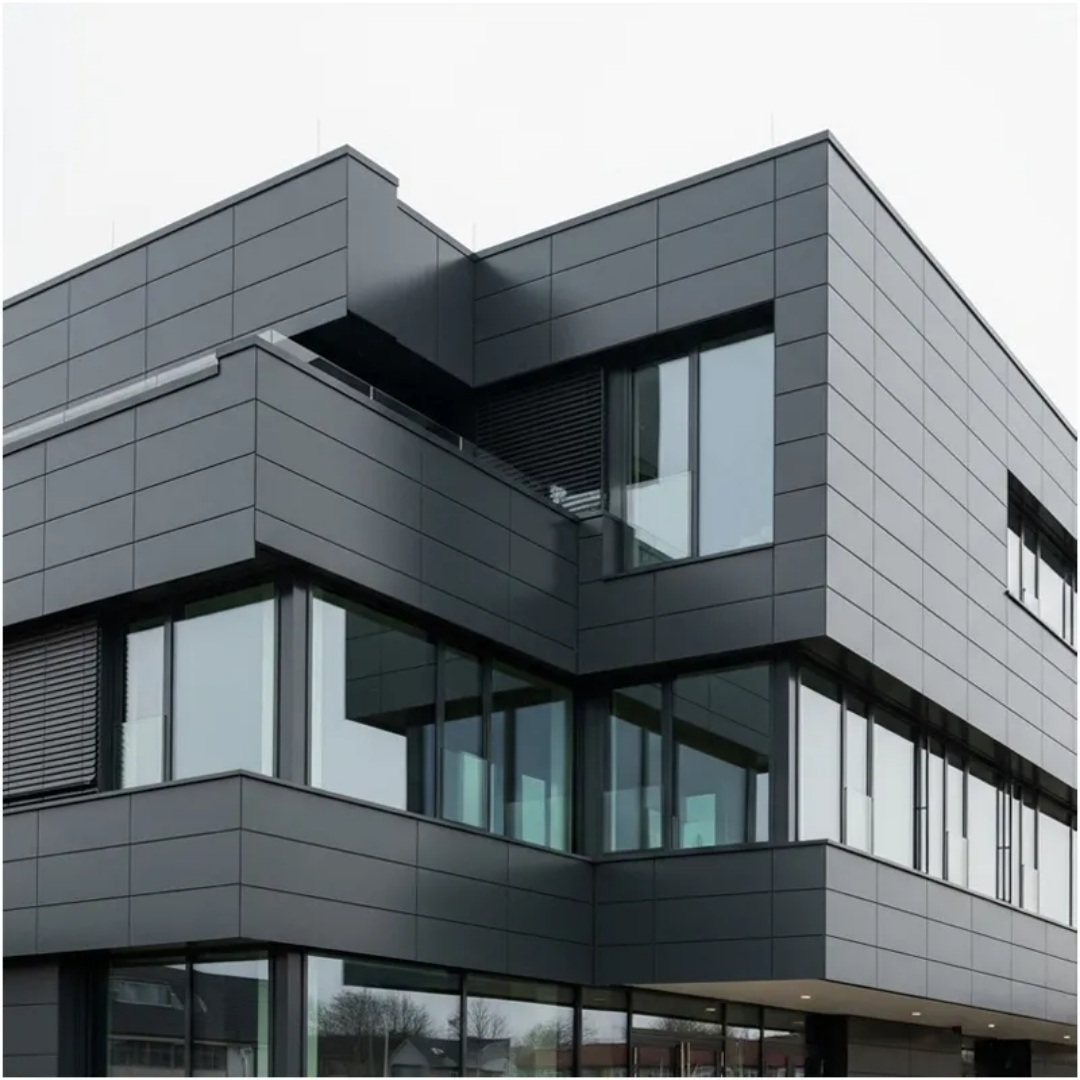
Introduction: When the Building Speaks to Our Subconscious
Before anyone steps through the entrance, before they read the signage or interact with security personnel, they have already formed a judgment. They have looked at the building and asked a primal question: "Is this place safe?"
This instinctive assessment happens in milliseconds, driven by visual cues that our subconscious mind interprets as signals of security or danger. In the world of modern architecture, few elements influence this split-second judgment as powerfully as the building envelope—and specifically, the aluminium composite panels (ACP) that clothe the structure.
The psychology of a secure building is not merely about actual safety statistics. It is about the perception of safety, which influences everything from property values to occupant wellbeing and public trust. This article explores the profound psychological impact of ACP cladding and how material choices shape the way people experience and trust the built environment.
The Primal Connection Between Shelter and Security
Architecture as the "Third Skin"
Psychologists and architects have long understood that buildings function as a form of "third skin" following our biological skin and our clothing. This protective layer must communicate safety at a fundamental level. When it fails to do so, the psychological consequences can be severe.
Research into historical housing patterns reveals that visual access—the ability to see and be seen—plays a critical role in perceived security. Studies of traditional houses in Bushehr, Iran, demonstrate that spatial configurations allowing clear visual connections between spaces significantly enhance occupants' sense of safety. This principle, rooted in Jane Jacobs' concept of "eyes on the street," suggests that building envelopes must balance transparency and opacity to create a feeling of secure observation.
For ACP facades, this translates to design choices that avoid creating hidden recesses, dark corners, or confusing sightlines. The material's ability to form clean, continuous surfaces contributes to spatial clarity, which psychological research links directly to reduced anxiety.
The Weight of Visual Integrity
A building that appears well-maintained and structurally sound communicates safety. Conversely, visible deterioration—peeling paint, rust streaks, or panel deformation—triggers alarm signals in the observer's brain. This is where ACP quality becomes psychologically significant.
Premium ACP with durable PVDF coatings maintains its appearance for decades, resisting chalking, fading, and corrosion. The visual integrity of a pristine facade tells the public that someone cares about this building, that it is occupied and valued, and therefore likely safe. This aligns with Crime Prevention Through Environmental Design (CPTED) principles, which emphasize that well-maintained environments discourage antisocial behavior .
The Grenfell Effect: When Cladding Became a Psychological Trigger
The Trauma of Visible Risk
No discussion of ACP and psychological perception can avoid the shadow of Grenfell. The 2017 tragedy, which claimed 72 lives, fundamentally altered how the public views building cladding—and specifically, aluminium composite materials.
The psychological aftermath extended far beyond the immediate victims. A survey by the UK Cladding Action Group revealed devastating mental health impacts among residents of buildings with similar cladding:
- 69.5% felt anxious or worried daily
- 25.5% sought medical attention for mental trauma
- 15.3% required medication for anxiety and depression
- 8.7% reported suicidal feelings directly related to the cladding crisis
One respondent captured the psychological torment: "I wake up every night worrying about everything." Another described their life as frozen: "If I could sell my flat even by breaking even or having a small loss, I would—but the reality is I cannot and will not be able to sell it until the cladding is replaced. In the meantime, I live in danger—unable to progress any of my life aspirations".
This testimony reveals that the perception of unsafe cladding doesn't merely cause mild concern—it creates profound psychological distress that permeates every aspect of life.
The Visibility of Risk
Critically, the distress is amplified because the cladding is visible. Residents see their building's skin every day, and that skin has been labeled dangerous. Unlike hidden structural issues that can be forgotten, facade materials are constantly present, constantly reminding occupants of potential danger.
This phenomenon explains why government audits worldwide have focused on identifying and publicizing buildings with combustible cladding. In South Australia, authorities developed a Life Safety Assessment tool categorizing buildings from "low" to "extreme" risk based on cladding materials and existing fire safety provisions. In Auckland, officials published a list of 116 buildings with ACP cladding, including hospitals, stadiums, and television headquarters—making the risk visible and forcing public confrontation with safety concerns.
Material Transparency: The Antidote to Fear
Knowing vs. Not Knowing
Psychological research consistently demonstrates that uncertainty amplifies fear. When people don't know whether their building is safe, they assume the worst. This is where clear communication about material specifications becomes a mental health intervention.
Former RIBA president Paul Hyett, testifying at the Grenfell Inquiry, revealed a shocking truth: "None of us had any idea that such dangerous components were being incorporated into cladding panels". He described learning about the difference between fire-retardant and polyethylene cores "by accident," highlighting an industry-wide failure to understand and communicate material properties.
This ignorance, now replaced by heightened awareness, has created a psychological landscape where occupants demand transparency. Building owners who can demonstrate—visibly and credibly—that their ACP cladding meets safety standards can alleviate the anxiety that uncertainty breeds.
The Visual Language of Safety
Material choices communicate safety through visual language. Fire-rated ACP panels, clearly specified and visibly certified, send different signals than generic alternatives. When building occupants see documentation of compliance with standards like NFPA 285, BS 476, or ASTM E84, their anxiety decreases.
The physical appearance of fire-rated panels also matters. Premium FR ACP, with its mineral core and high-quality finish, looks and feels substantial. It doesn't appear cheap or temporary. This visual substance reinforces the psychological sense of protection.
VIVA ACP's FR A2+ Corrugated Composite Panel, featuring a honeycomb aluminum core tested at 1960°C for over two hours without producing toxic fumes or molten droplets, represents the gold standard. When occupants know such materials protect them, the psychological burden lifts.
Fire Performance and Perceived Safety
Understanding FR vs. Non-FR Panels
The core difference between fire-rated and standard ACP lies in composition. FR (Fire Retardant) panels incorporate mineral cores with 70-90% inorganic materials like Magnesium Hydroxide and Aluminum TriHydroxide. Non-FR panels use polyethylene (PE) cores—essentially virgin plastic that burns readily and produces toxic fumes.
The behavioral differences during fire are stark:
- FR panels delay flame spread for up to 120 minutes, enabling evacuation
- FR panels don't release poisonous fumes or burning droplets
- Non-FR panels contribute fuel to fires and generate lethal smoke
These technical distinctions translate directly to psychological outcomes. Knowing that your building's skin actively fights fire spread—rather than accelerating it—fundamentally changes how occupants experience their environment.
The 120-Minute Window
VIVA ACP's FR panels provide up to 120 minutes of fire resistance. This isn't merely a technical specification; it's a psychological anchor. When occupants understand they have two hours to evacuate safely, the terror of potential fire diminishes. The building becomes an ally in survival rather than a potential death trap.
Fire safety experts note that most fire deaths result not from flames but from asphyxiation due to toxic smoke. FR panels that don't release poisonous fumes address the primary killer directly. For occupants aware of this protection, the psychological relief is substantial.
Regulatory Compliance as Reassurance
The Power of Certification
In the post-Grenfell world, regulatory compliance has become a psychological necessity. Building occupants seek external validation that their environment meets established safety standards.
The South Australian cladding audit demonstrates how regulatory frameworks can either reassure or terrify. Buildings rated "low" or "moderate" risk—meaning existing fire safety provisions allow safe egress—provide occupants with evidence-based reassurance. Those rated "high" or "extreme" trigger justified anxiety and demand remediation.
ACP manufacturers who invest in third-party certification provide building owners with powerful psychological tools. Certifications from bodies like Thomas Bell Wright (Dubai-based multi-accredited firm) or compliance with ASTM D1929, NFPA 285, and ASTM E84 translate technical safety into perceived safety.
The Cost of Non-Compliance
Buildings with non-compliant cladding face not only regulatory action but psychological consequences that affect property values and occupant wellbeing. In Auckland, the identification of buildings with Grenfell-style cladding created immediate distress among residents, even when officials emphasized that other fire safety measures made the buildings "not necessarily dangerous" .
The nuance—that sprinklers, alarms, and evacuation plans compensate for cladding performance—gets lost in public perception. Visible non-compliant cladding becomes a psychological wound that no amount of technical explanation full heals.
Designing for Perceived Security
Visual Access and Natural Surveillance
The concept of "defensible space," developed by Oscar Newman in the 1970s, remains foundational to security psychology. Buildings that enable natural surveillance—where occupants can observe public areas—feel safer and actually experience less crime.
ACP facades contribute to this dynamic through their design flexibility. Architects can incorporate glazed areas, vary panel opacity, and create sightlines that maximize visual access while maintaining aesthetic cohesion. The material's ability to form precise openings and integrate with window systems enables the "eyes on the street" effect that Jane Jacobs identified as crucial for urban safety.
Material Integrity as Security Signal
Research into environmental psychology consistently finds that material quality signals security. Buildings clad in premium ACP with consistent color, flat panels free from oil canning, and durable finishes communicate that resources have been invested in protection.
Conversely, cheap ACP that fades, delaminates, or warps signals neglect. Even if the structure is technically sound, the visual deterioration triggers subconscious alarms. This is why building owners must consider not just initial appearance but long-term material performance when selecting ACP.
Color Psychology in Facade Design
Color choices influence perceived security in subtle but measurable ways. Warm, welcoming colors at entrances reduce anxiety. Consistent color schemes across building sections create visual coherence that feels orderly and therefore safe.
The RAL COLOUR FEELING 2027+ palette, with its grounding neutrals (Pepper White, Pale Sienna, Olivine Grey) and purposeful accents, offers opportunities to balance approachability with security signaling. The "Empathetic" design direction—promoting wellbeing through nurturing color combinations—directly addresses psychological needs.
Case Studies: Perception in Practice
The PWC Tower, Auckland: Managing Visible Risk
When Auckland authorities identified the PWC Tower as containing ACP cladding, the psychological challenge became immediate. How do you reassure thousands of future occupants that their building is safe?
The response combined technical transparency with visible safety systems. Developers emphasized that the ACP used was "modified, having fire performance" and compliant with New Zealand's Building Code. They detailed a comprehensive safety infrastructure: rooftop fire hydrants, floor-level fire extinguishers, automatic sprinklers, smoke detection, area pressurization systems, and floor-by-floor evacuation plans.
This multi-layered approach—acknowledging the cladding while demonstrating redundant safety systems—addressed the psychological need for reassurance without denying reality.
Corporate Identity and Security Signaling
For corporate buildings, ACP facades serve dual psychological functions: projecting brand strength while signaling security. Virgo Aluminium Composite Panels highlight how ACP's environmental resistance, fire safety, and aesthetic versatility combine to create facades that communicate corporate competence.
When clients, employees, and investors see a building that appears both impressive and secure, they transfer those qualities to the organization within. The building becomes a metaphor for the company's ability to protect what matters.
The Path Forward: Transparency and Trust
The Industry's Responsibility
The Grenfell Inquiry revealed systemic failures in material understanding and communication. Architects, contractors, and manufacturers all shared responsibility for a situation where dangerous products were specified in ignorance.
Moving forward, the industry must prioritize transparency. This means:
- Clear labeling of core compositions
- Accessible technical data sheets explaining fire performance
- Visible certification of compliance with safety standards
- Honest communication about material limitations
For ACP manufacturers like VIVA, initiatives such as opening NABL-accredited testing facilities to the industry—free and brand-blind—represent the transparency needed to rebuild trust.
Educating the Public
Psychological safety requires understanding. Building occupants who know what protects them feel safer than those left in ignorance. This suggests that building owners should proactively communicate about cladding materials, fire safety systems, and evacuation procedures.
When residents understand that their FR ACP panels contain 90% mineral core, tested to withstand flames for two hours without toxic emissions, the psychological burden lifts. Knowledge replaces fear.
Conclusion: The Building That Reassures
The psychology of a secure building is not abstract theory—it is lived experience. Every day, millions of people enter buildings and make instantaneous judgments about safety based on visual cues they may not consciously recognize.
Aluminium composite panels, as the visible skin of modern architecture, carry enormous psychological weight. When specified responsibly—with fire-rated cores, durable finishes, and certified performance—they communicate protection. When chosen poorly, they become sources of constant anxiety.
For architects, developers, and building owners, the lesson is clear: material choices are psychological choices. By selecting ACP that prioritizes safety, durability, and visual integrity, we create buildings that don't just house people but reassure them.
In the end, the most successful buildings are those that answer the primal question before it's asked. They look safe. They feel safe. And because of thoughtful material selection, they are safe.






