Welcome to Vbond
The Restoration of a Historic Facade Using Modern ACP Technology
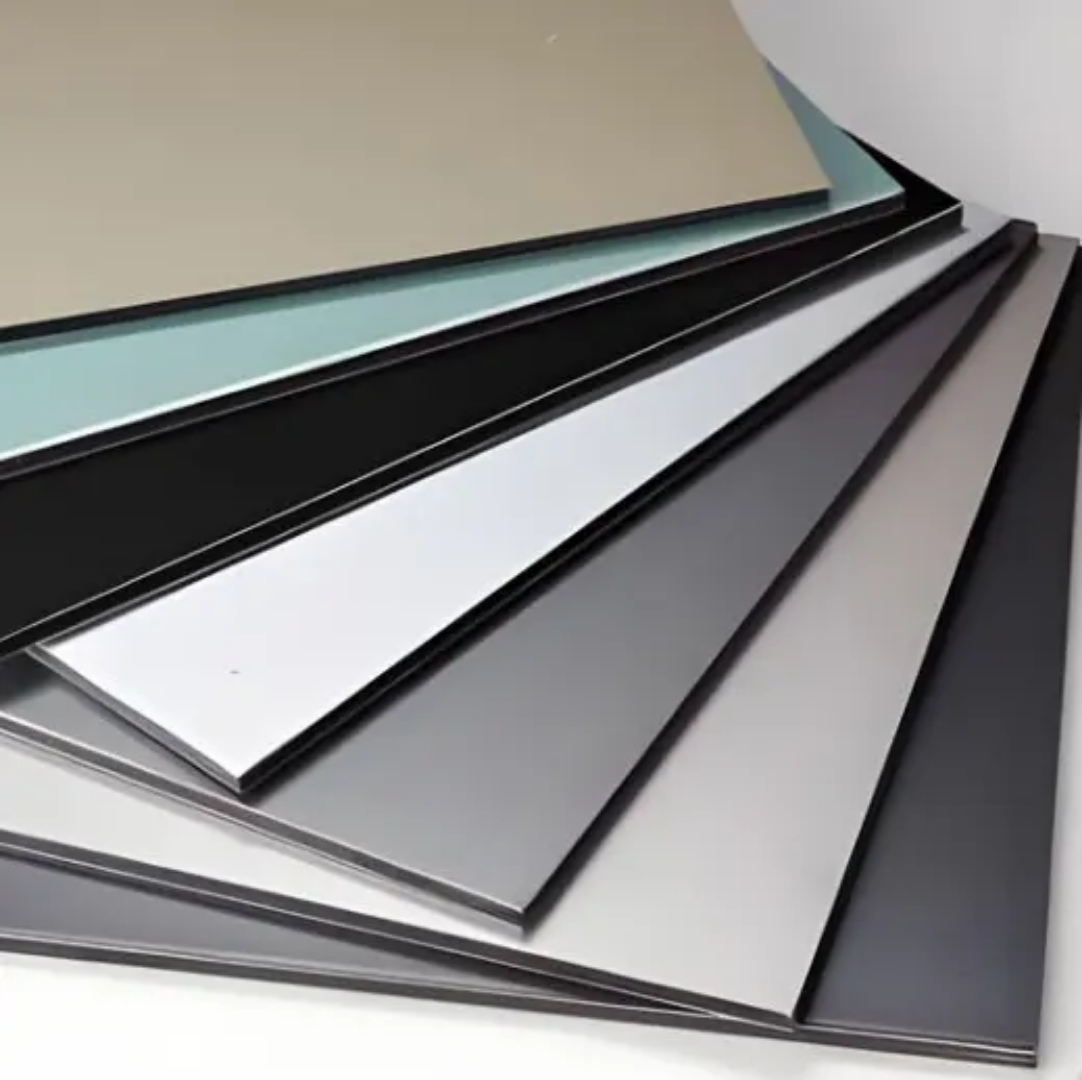
The tension between preservation and progress has long defined architectural conservation. How do we honor the craftsmanship of the past while meeting the performance demands of the present? For a growing number of restoration projects, the answer lies in Aluminum Composite Panels (ACP). Once viewed as a material solely for contemporary construction, ACP has emerged as a powerful tool in the conservation architect's palette. This case study examines how modern ACP technology is being deployed to restore historic facades, preserving heritage aesthetics while delivering 21st-century performance, durability, and sustainability.
The Conservation Challenge: When Heritage Meets Deterioration
Historic buildings tell stories. Their facades embody the craftsmanship, materials, and architectural language of bygone eras. But time takes its toll. Masonry spalls, terra cotta cracks, ornamentation erodes, and original materials become impossible to source. Traditional restoration methods—matching old bricks, carving replacement stone, replicating intricate details—are increasingly expensive, time-consuming, and reliant on vanishing craft skills.
The core challenge facing conservation architects is this: how do you preserve the visual integrity of a historic facade while upgrading its physical performance? Modern building codes demand improved insulation, weather resistance, and fire safety. Owners require reduced maintenance costs and extended building life. And communities expect restored landmarks to retain their authentic character.
Aluminum Composite Panels have emerged as an unexpected but elegant solution to this dilemma. Through advanced manufacturing techniques, ACP can now replicate historic materials—stone, masonry, wood, terra cotta—with astonishing fidelity while delivering structural and environmental performance that original materials never could.
The Technology: How Modern ACP Serves Historic Restoration
Material Composition and Properties
Contemporary aluminum composite panels consist of two thin aluminum skins bonded to a mineral-filled or polyethylene core. For restoration applications, specifiers typically select panels with fire-retardant (FR) or non-combustible (A2) cores to meet strict building code requirements. The aluminum faces receive advanced coatings—PVDF fluorocarbon, polyester, or anodized finishes—that provide exceptional durability and color stability.
What makes ACP revolutionary for restoration is its ability to be fabricated into virtually any shape while maintaining a perfectly flat, stable surface. Panels can be curved, folded, perforated, and formed to replicate historic profiles, moldings, and decorative elements. The lightweight nature of ACP—typically 3-6 kg/m²—means it can be installed over existing substrates without massive structural reinforcement, a critical advantage when working with aged buildings.
The Art of Replication: Finishes and Textures
The most significant technological advance for heritage applications is the range of finishes now available. Modern ACP can authentically replicate:
- Stone and Masonry: Advanced printing technologies create convincing simulations of limestone, granite, sandstone, and marble, complete with natural veining and color variation
- Wood Grains: Realistic timber finishes capture the warmth and texture of traditional wood cladding without susceptibility to rot, insect damage, or weathering
- Metallic Effects: Brushed, polished, and aged metal finishes evoke historic bronze, copper, and lead without the weight or corrosion concerns
- Terra Cotta and Ceramic: Custom colors and textures can reproduce the appearance of historic architectural ceramics
These finishes are not superficial. High-performance PVDF coatings provide exceptional resistance to UV degradation, chalking, and fading, ensuring that restored facades maintain their appearance for decades with minimal maintenance .
Case Study 1: The Jack Valenti Building, Washington, D.C.
One of the most instructive examples of historic facade restoration using ACP is the transformation of the Jack Valenti Building at 888 16th Street NW in Washington, D.C.
The Project
Originally constructed in the 1960s, this 12-story building required a complete transformation of its facade. The existing structure was outdated, energy-inefficient, and visually unremarkable. The goal was to create a "trophy-class" office building while respecting the historic context of the nation's capital.
The Solution
Designers at Gensler selected Larson aluminum composite panels from Alucoil, fabricated by East Coast Metal Systems. The panels were coated with PPG's Duranar Sunstorm Ultra-Cool finish in Anodic Clear, providing a sophisticated metallic appearance.
Robert Blabolil, senior associate and designer with Gensler, explained the rationale: "Metal composite material was selected for its durability, system depth and natural color selection. There was limited depth in which the design team had to fit when recladding the existing structure. The use of the metal composite material ensured the team was able to maintain an optimized system profile depth that was relative to that of the historic building façade".
Technical Execution
The project team employed advanced 3D laser scanning of the existing building to create precise digital models. This was essential because the 1960s structure had settled and shifted over decades; relying on original drawings would have resulted in misaligned panels. "We did a three-dimensional scan of the building to create a drawing of the building and then ordered everything to fit to that drawing," said Eric McShane, senior project manager at Brawner Builders.
The final facade combined Portuguese limestone, granite, curtain wall, and 2,470 ACP panels (33,300 square feet). The metal composite material allowed the design team to minimize joints and maximize vertical spans, creating clean transitions between window bays and maximizing daylighting into the interior.
Outcome
The restored Jack Valenti Building demonstrates how ACP can complement traditional materials—stone and glass—to achieve a facade that respects its historic context while projecting contemporary sophistication. The lightweight ACP panels reduced structural loading, the factory-finished surfaces ensured consistent quality, and the durable coatings promised long-term performance.
Case Study 2: Raymond Elementary School, Washington, D.C.
While not a pure restoration, the Raymond Elementary School project illustrates how ACP can sensitively interface with historic fabric.
The Project
Originally built in the 1920s, this Washington D.C. landmark received a 50,000 square-foot addition designed by Studios Architecture. The new wing had to present a modern appearance while blending with the historic red brick of the original school.
The Solution
Architects selected ALUCOBOND PLUS aluminum composite material in Olivine Metallic. The muted green color, subtle sheen, and textured surface achieved a contemporary refresh while complementing the historic brick and blending with neighboring townhouses.
The panels supported an efficient installation with minimal disruption to the operating school, delivered durability and low maintenance, and contributed to the building's high-performance envelope. The project achieved net-zero energy status and LEED Gold certification, demonstrating that modern materials can enhance both heritage and sustainability goals.
Case Study 3: Christ Church Spire, Quebec
A remarkable example of aluminum's role in heritage conservation comes from Quebec, where EVOQ Architecture completed the restoration of the Christ Church Spire.
The Project
More than 80 years ago, this church spire was clad in cast aluminum panels—believed to be the first such use of aluminum in this application. After eight decades of exposure to harsh Canadian weather, the panels performed remarkably well, requiring only relatively minor restoration and cleaning to prepare them for another lifecycle of service.
The Significance
Lead conservation architect John Diodati noted that the original decision to use aluminum was prescient. The material's light weight, corrosion resistance, and durability proved ideal for the spire application. The restoration project, featured by the International Aluminium Institute, demonstrates aluminum's long-term sustainability and its compatibility with heritage conservation principles.
The Technical Advantages of ACP in Restoration
1. Structural Efficiency
Historic buildings were never designed to support heavy cladding systems. Adding stone or masonry veneers often requires expensive structural reinforcement. ACP's lightweight nature—typically one-tenth the weight of stone—minimizes additional loading and often allows installation directly over existing substrates.
2. Dimensional Stability
Unlike wood, which expands and contracts with humidity, or masonry, which can crack with settlement, ACP maintains dimensional stability. This is particularly valuable when restoring buildings with irregular geometries or when spanning large areas without visible joints.
3. Weather Resistance
Historic materials are often vulnerable to moisture. Wood rots, masonry spalls from freeze-thaw cycles, and terra cotta can crack. ACP's aluminum skins provide an impermeable barrier, and properly designed rainscreen systems manage moisture effectively.
4. Fire Safety
Modern restoration must address fire safety deficiencies in historic buildings. Mineral-core ACP panels achieve Class A fire ratings, resist ignition, and produce minimal smoke and no flaming droplets—critical for life safety and code compliance.
5. Sustainability
Aluminum is infinitely recyclable, and many ACP manufacturers incorporate significant recycled content. The durability of ACP means fewer replacements over the building's life, conserving resources. For projects pursuing green building certifications, ACP with Environmental Product Declarations (EPDs) contributes valuable points.
Design Considerations for Heritage ACP Applications
Respecting Context
Successful restoration using ACP requires a deep understanding of the historic building's architectural language. The goal is not to deceive—to make ACP look exactly like stone—but to create a harmonious composition that respects the original while clearly belonging to its own time. As the Raymond Elementary School project demonstrates, a carefully chosen metallic finish can complement historic materials without imitating them.
Fabrication Precision
Historic buildings are rarely plumb, level, or true. Advanced fabrication techniques, including 3D laser scanning and CNC routing, allow ACP panels to be custom-fabricated to match as-built conditions precisely. This was essential to the success of the Jack Valenti Building project.
Installation Expertise
ACP installation on historic facades requires specialized expertise. Installers must understand both the material's characteristics and the building's idiosyncrasies. Proper detailing of joints, flashings, and interfaces with retained historic fabric is essential for long-term performance.
Regulatory and Approval Considerations
Restoration projects involving historic buildings typically require approval from heritage conservation authorities. In many jurisdictions, guidelines require that new materials be "distinguishable from original" while remaining "compatible in scale, form, and character." ACP's ability to be finished in subtle, neutral colors and its capacity for custom fabrication make it well-suited to meeting these criteria.
For heritage-listed buildings, early consultation with conservation officers is essential. Projects may require detailed heritage impact assessments, materials approvals, and possibly archaeological monitoring during construction. The Turret Lodge restoration in Ireland, completed by Architectural Conservation Professionals, exemplifies the rigorous research and stakeholder engagement required for successful heritage projects.
Conclusion: A New Chapter in Architectural Conservation
The restoration of historic facades using modern ACP technology represents a convergence of tradition and innovation. Advanced manufacturing, realistic finishes, and proven performance allow conservation architects to preserve the visual language of the past while delivering buildings that meet contemporary standards for energy efficiency, safety, and durability.
The Jack Valenti Building, Raymond Elementary School, and Christ Church Spire demonstrate that ACP is not a compromise but an enhancement—a material that expands the possibilities for sensitive, sustainable restoration. As coating technologies advance and fabrication techniques become more sophisticated, the potential for ACP in heritage applications will only grow.
For architects, building owners, and communities committed to preserving architectural heritage, modern ACP offers a compelling proposition: facades that look to the past while performing for the future.






