Welcome to Vbond
The Rise of ACP in Sustainable Building Design: Fact or Greenwashing?
Introduction: Navigating the Sustainability Claim
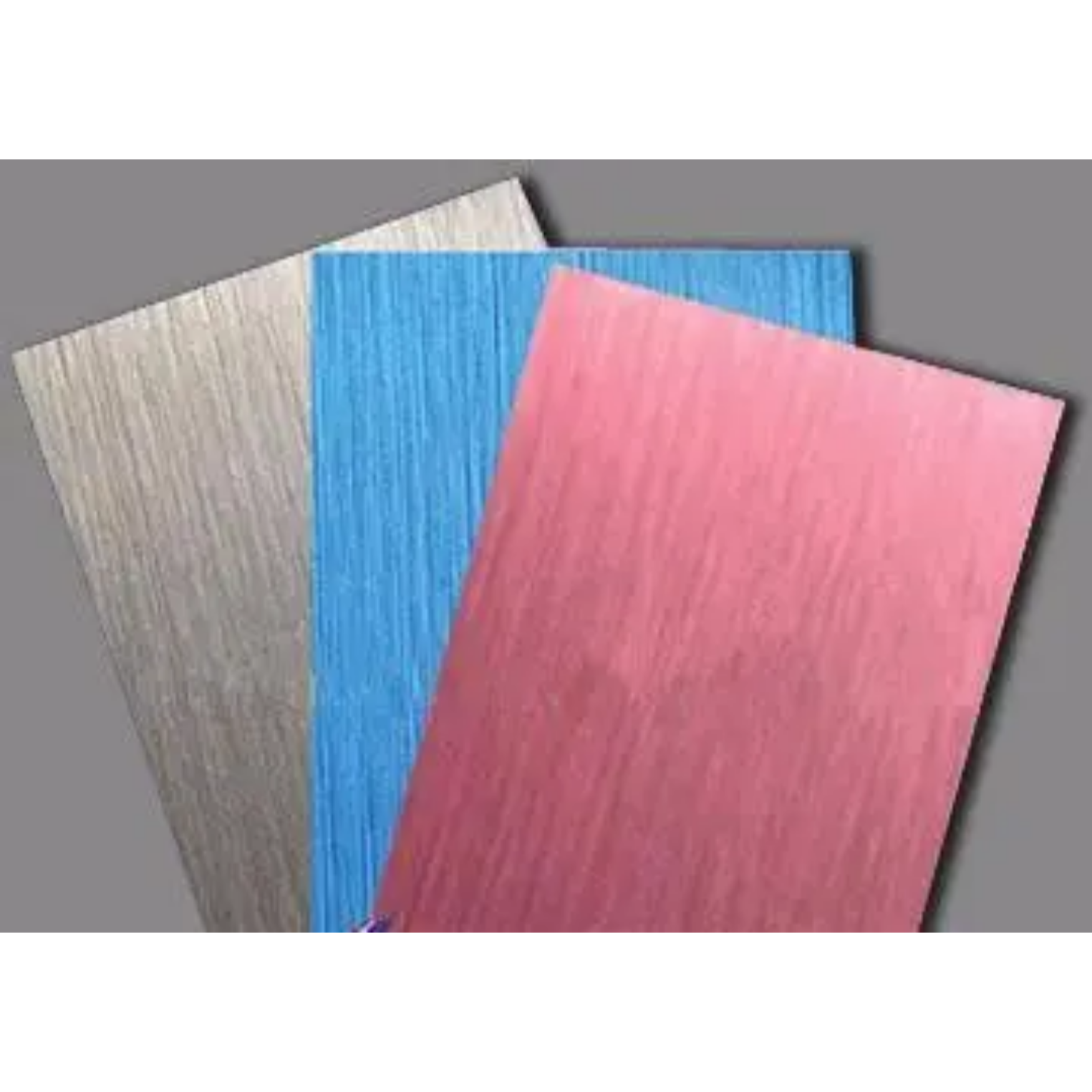
Aluminum Composite Panels (ACP) are ubiquitous in modern architecture, prized for their lightweight, durability, and aesthetic versatility. As the construction industry intensifies its focus on sustainability, ACP manufacturers are increasingly marketing their products as "green" or "eco-friendly." This presents a critical question for architects, developers, and specifiers: Is the rise of ACP in sustainable design a verifiable fact based on lifecycle performance, or is it merely corporate greenwashing? This article provides a nuanced, evidence-based analysis to separate valid environmental benefits from marketing hype.
Deconstructing the "Green" Claims: A Multi-Faceted Analysis
To assess ACP's true sustainability profile, we must examine its entire lifecycle through the lenses of materials, manufacturing, performance, and end-of-life.
1. The Case for "Fact": Legitimate Sustainability Arguments
Several substantiated strengths support ACP's role in sustainable design:
Durability and Longevity: ACP cladding systems with high-quality PVDF coatings can have service lives exceeding 30-40 years with minimal maintenance. This longevity reduces the frequency of replacement and associated resource extraction, manufacturing energy, and construction waste—a core principle of sustainable resource management.
Energy Efficiency in Operation: When integrated into advanced rainscreen cladding systems, ACP facades contribute to improved building envelope performance. They protect continuous insulation, reduce thermal bridging, and can be specified with cool-color coatings (high Solar Reflectance Index - SRI) to mitigate urban heat island effect and lower building cooling loads.
Lightweight Construction: Compared to solid stone or precast concrete, ACP's minimal weight reduces structural demands. This can lead to material savings in the building's primary frame and foundation, translating to lower embodied carbon for the entire structure. It also simplifies logistics, requiring less fuel for transportation.
Material Efficiency and Waste Reduction: Modern ACP fabrication is highly precise, utilizing CNC cutting and nesting software to optimize panel layouts from standard sheets, dramatically reducing on-site job waste. Off-site prefabrication of cassettes further enhances this efficiency.
2. The "Greenwashing" Red Flags: Critical Challenges and Concerns
Despite the above, significant environmental challenges persist, often glossed over in marketing:
The Core Problem: Recyclability and Circularity: The fundamental Achilles' heel of traditional ACP (with a polyethylene core) is its composite, inseparable material makeup. The bonding of aluminum skins to a plastic core makes true, high-value recycling economically and technically challenging. Most end-of-life ACP currently ends up in landfills or is downcycled, failing the test of a circular economy.
Embodied Carbon of Aluminum: The production of virgin aluminum is extremely energy-intensive, contributing significantly to the panels' upfront embodied carbon footprint. While the aluminum layers themselves are fully recyclable in theory, the composite nature impedes this in practice.
Fire Safety and Chemical Concerns: Past tragedies linked to combustible core materials have rightly cast a shadow. While fire-retardant (FR) and mineral cores address safety, they can introduce other complex chemical compositions, complicating end-of-life processing and raising questions about full material transparency.
The Verdict: A Spectrum of Performance, Not a Binary Answer
Labeling ACP as universally "sustainable" or "greenwashed" is an oversimplification. The truth lies on a spectrum dictated by specification choices.
The "Greenwashing" End of the Spectrum: Using standard, non-FR PE-core ACP based solely on cost, with no plan for end-of-life recovery, and justifying it with vague "green" labels is indeed greenwashing.
The "Legitimate Contributor" End of the Spectrum: Specifying ACP with a high-recycled aluminum content, a non-combustible mineral core, and a cool PVDF coating for a durable, energy-efficient facade that is part of a design for disassembly (DfD) system, with a documented end-of-life takeback program by the manufacturer, represents a credible, optimized sustainable application.
A Framework for Responsible Specification
To leverage ACP's benefits while minimizing its environmental impact, professionals must adopt a rigorous specification framework:
1. Prioritize Core Composition: Move beyond PE cores. Specify mineral-filled or fire-retardant cores with lower environmental impact and better recovery potential. Inquire about core material health certifications.
2. Demand Transparency and Data: Request Environmental Product Declarations (EPDs) and Health Product Declarations (HPDs) from manufacturers. These documents provide verified data on global warming potential, recycled content, and material ingredients.
3. Optimize for Lifecycle, Not Just First Cost: Evaluate the total lifecycle cost and carbon. A slightly more expensive, durable, and recyclable panel may offer superior long-term environmental and economic value.
4. Plan for the End at the Beginning: Engage with manufacturers who offer or participate in take-back and panel recycling pilot programs. Design connections for disassembly to facilitate future material recovery.
The Future: Innovation Driving Authentic Sustainability
The industry is responding to these challenges. Emerging innovations are key to ACP's legitimate, sustainable future:
Development of Mono-Material and Recyclable Cores: Research into cores that are chemically compatible with aluminum recycling streams is ongoing.
Enhanced Recycling Technologies: Mechanical and chemical processes for separating aluminum from core materials are improving, slowly increasing recycling rates.
Increased Use of Post-Consumer Recycled Aluminum: Leading manufacturers are boosting the recycled content in their aluminum skins, directly lowering embodied carbon.
Conclusion: An Imperfect Tool with a Path to Improvement
The rise of ACP in sustainable design is neither a clear-cut fact nor pure greenwashing; it is a complex, evolving narrative. ACP possesses genuine, performance-based sustainability attributes, particularly in durability and operational energy efficiency. However, its lingering end-of-life challenges and embodied carbon cannot be ignored. For the professional specifier, the responsibility is to move past generic marketing claims. By demanding transparency, selecting superior core materials, and planning for circularity, ACP can be responsibly integrated into a high-performance, sustainable building envelope. Its ultimate "green" credentials are not inherent but are forged through informed, intentional, and rigorous specification practices.






