Welcome to Vbond
The Rise of Wood and Stone Finishes in Aluminum Composite Panels
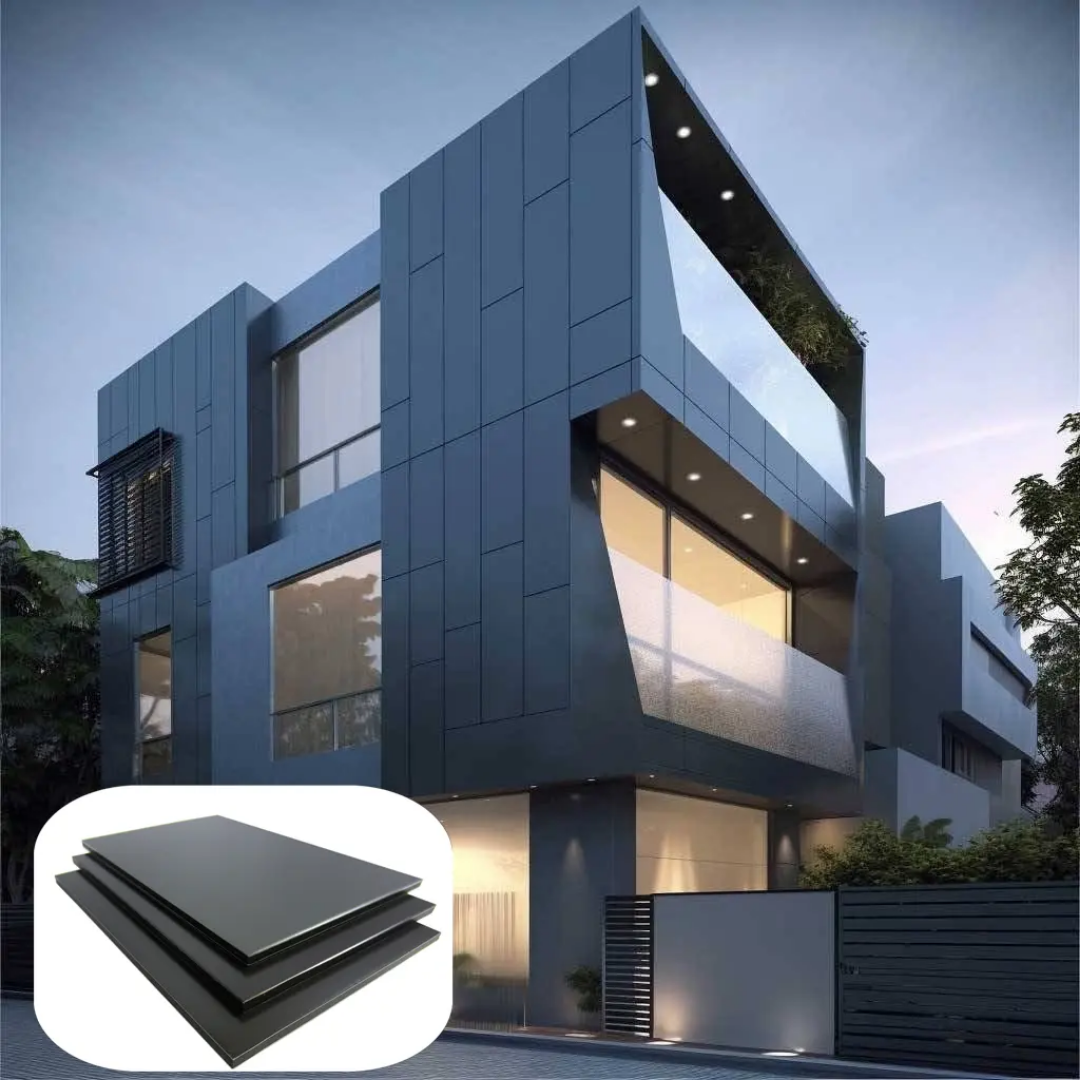
For decades, architects faced a difficult choice: specify authentic wood or natural stone for their facades to achieve warmth, texture, and prestige—or opt for aluminum composite panels (ACPs) to gain durability, lightweight construction, and cost efficiency. Today, thanks to advances in coating and printing technologies, that choice is no longer necessary.
Wood and stone finishes in aluminum composite panels have emerged as one of the fastest-growing segments in the architectural cladding market. These products combine the timeless aesthetic appeal of natural materials with the performance advantages of engineered metal composites. For procurement professionals, understanding the technology, applications, and quality considerations behind these finishes is essential to making informed specifications that deliver both visual impact and long-term reliability.
Why the Shift Toward Natural Material Aesthetics?
The demand for wood and stone finishes in ACPs is driven by several converging trends:
1. Sustainability Pressures
Natural wood cladding, while beautiful, raises concerns about deforestation, treatment chemicals, and limited lifespan. Natural stone extraction is energy-intensive and generates significant waste. Wood and stone finish ACPs offer a low-impact alternative—reducing reliance on virgin natural materials while providing superior durability and recyclability.
2. Design Versatility
Architects increasingly seek to bring biophilic design elements into urban environments. Wood finishes add warmth and organic texture to modern structures, while stone finishes convey permanence and prestige. ACPs allow these aesthetics to be applied to complex geometries, curved surfaces, and large-scale elevations that would be impractical or prohibitively expensive with natural materials.
3. Performance Demands
Natural wood is susceptible to moisture, insect damage, warping, and fire. Natural stone can be heavy, brittle, and prone to staining. Wood and stone finish ACPs deliver the visual impact of these materials with the performance characteristics of aluminum—lightweight, weather-resistant, fire-rated, and dimensionally stable.
How Wood and Stone Finishes Are Achieved
The quality of a wood or stone finish ACP depends entirely on the manufacturing process. Two primary technologies dominate the market:
1. PVDF Coating with Digital Printing
High-end wood and stone finishes are achieved using PVDF (polyvinylidene fluoride) coating systems combined with advanced digital printing or gravure printing technologies. The process involves:
- A primer layer for adhesion
- A base coat that establishes the background color
- A printed pattern layer that replicates the grain or veining of wood or stone
- A clear topcoat (clear coat) that provides UV protection, scratch resistance, and depth
This method produces finishes with exceptional durability, color retention, and realism. Leading coating suppliers such as PPG, AkzoNobel, and Sherwin-Williams offer wood and stone effect programs backed by long-term warranties.
2. Polyester Coating with Sublimation
An alternative method uses polyester coatings combined with heat transfer (sublimation) printing. A pattern is printed on a transfer film, then heat-pressed onto the coated panel. This process can achieve highly detailed, realistic patterns at a lower cost, though durability and UV resistance typically do not match high-end PVDF systems.
For high-rise or long-lifecycle projects, PVDF-based wood and stone finishes are the preferred choice due to superior weathering performance.
Advantages of Wood and Stone Finish ACPs Over Natural Materials
Attribute | Natural Wood | Natural Stone | Wood/Stone Finish ACP |
Weight | Heavy | Very heavy | Lightweight |
Installation | Complex, skilled labor required | Specialized equipment needed | Fast, standard metal fabrication |
Fire Safety | Combustible unless treated | Non-combustible, but can spall | A2 or B1 fire-rated options available |
Maintenance | Regular sealing, staining | Periodic sealing, cleaning | Low-maintenance, easy cleaning |
Consistency | Natural variation, color mismatch risk | Veining variation, batch issues | Controlled, repeatable patterns |
Cost | Moderate to high | High | Moderate, with cost stability |
Durability | Decay, insect, and moisture vulnerability | Freeze-thaw, staining vulnerability | 20–30 year lifespan with PVDF coatings |
Applications Where Wood and Stone Finish ACPs Excel
Wood and stone finish ACPs have found broad application across commercial, residential, and institutional sectors:
High-Rise Residential
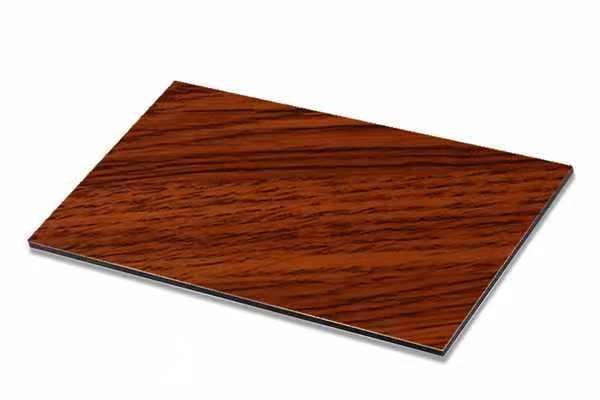
Wood finish ACPs bring warmth to tower facades, softening the hard lines of glass and steel while meeting stringent fire safety requirements when specified with A2 mineral-core panels.
Hospitality and Retail
Hotels, restaurants, and retail spaces use stone finish ACPs to create luxurious, high-end impressions without the weight and cost of natural stone. The ability to form large, seamless panels allows for dramatic, uninterrupted facades.
Corporate Headquarters
Architects increasingly specify wood finish ACPs for office buildings to align with corporate sustainability goals and create biophilic work environments that connect occupants with nature.
Renovation and Recladding
For existing buildings, wood and stone finish ACPs offer a lightweight solution that can be installed over existing facades, transforming appearance without extensive structural reinforcement.
Critical Considerations for Procurement Professionals
While wood and stone finish ACPs offer compelling advantages, not all products are created equal. Professional buyers must scrutinize several key factors:
1. Pattern Repeat and Consistency
Unlike solid colors, patterned finishes are susceptible to visible repetition. High-quality manufacturers use large-format printing with long pattern repeats (typically 4 meters or more) to create a natural, non-repetitive appearance. For large elevations, verify the pattern repeat length and request a mock-up showing how multiple panels align.
2. Coating System Specification
Specify the exact coating system rather than relying on generic descriptions. PVDF-based wood and stone finishes with clear topcoats provide the best UV resistance, color retention, and scratch protection. Polyester-based alternatives may be suitable for interior applications or low-rise buildings in mild climates.
3. Fire Rating Compatibility
Ensure that the wood or stone finish ACP meets the required fire classification for your project. High-quality products are available in both A2 (mineral core) and B1 (flame-retardant core) configurations. Never assume that a decorative finish automatically carries the same fire rating as the manufacturer’s standard product line.
4. Weathering Test Data
Request accelerated weathering test reports (per ASTM D2244 or ISO 16474) that demonstrate color change (ΔE) and gloss retention after specified exposure periods. For wood finishes, pay particular attention to the fading of red and brown pigments, which can be more susceptible to UV degradation.
5. Realistic Physical Samples
Digital renderings and fan decks cannot convey the true texture, depth, and realism of wood and stone finishes. Request full-size physical samples (minimum 12" x 12") and evaluate them under natural and artificial lighting. For large projects, a full-scale mock-up is essential to validate appearance across multiple panels.
6. Warranty Coverage
Confirm that the warranty covers the decorative finish specifically, not just the underlying coating system. Some warranties exclude or limit coverage for wood and stone effect finishes due to the complexity of the printing process. Verify terms in writing before finalizing specifications.
Quality Tiers in Wood and Stone Finish ACPs
Tier | Technology | Characteristics | Typical Applications |
Premium | PVDF with digital/gravure printing + clear topcoat | High realism, 20+ year durability, wide color/grain range, full warranty | High-rise facades, corporate headquarters, luxury residential |
Standard | PVDF without clear topcoat or polyester with sublimation | Good realism, 10–15 year durability, moderate color range | Mid-rise buildings, retail, hospitality interiors |
Economy | Polyester with simple printing | Limited realism, 5–10 year durability, visible pattern repeat | Interior applications, temporary structures, low-budget projects |
Future Trends
The wood and stone finish ACP market continues to evolve. Emerging trends include:
- Textured finishes: Advanced manufacturing now allows embossed textures that replicate the tactile feel of wood grain or stone surface, adding another dimension of realism.
- Custom patterns: Digital printing enables fully customized patterns, allowing architects to create unique designs, brand identities, or artistic expressions.
- Sustainable sourcing: Manufacturers increasingly use recycled aluminum content and low-VOC coating systems to meet green building certification requirements (LEED, BREEAM).
- Expanded fire-rated options: A2 mineral-core panels with wood and stone finishes are becoming more widely available, expanding applications in high-rise and high-occupancy buildings.
Conclusion
The rise of wood and stone finishes in aluminum composite panels represents a fundamental shift in architectural cladding. No longer must designers compromise between aesthetics and performance. Today’s advanced PVDF-coated ACPs deliver the warmth of timber and the grandeur of stone with the durability, fire safety, and cost predictability of engineered metal composites.
For procurement professionals, the opportunity is clear: specify with confidence by focusing on proven coating technologies, verified fire ratings, comprehensive weathering test data, and robust warranty coverage. When these elements align, wood and stone finish ACPs deliver not just a facade, but a lasting architectural statement.