Welcome to Vbond
The True Cost of Cheap Aluminum Composite Panels: A Buyer’s Risk Assessment
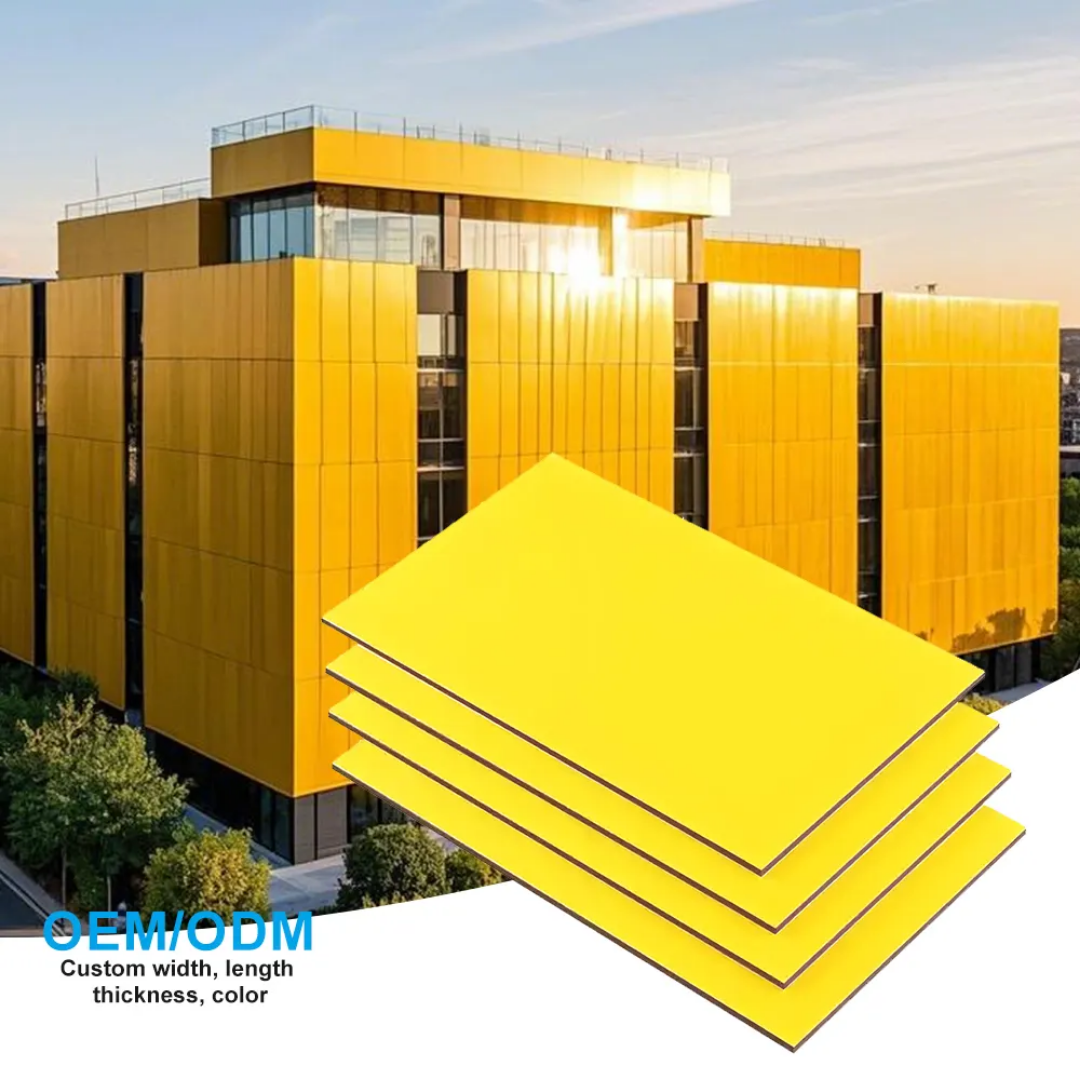
When sourcing materials for modern construction, the Aluminum Composite Panel (ACP) has become a staple for architects and developers. Its lightweight nature, design flexibility, and sleek aesthetics make it an attractive choice for facades, cladding, and signage.
However, the market is flooded with budget-friendly options that promise the same visual appeal at a fraction of the price. While the initial cost savings can be tempting for procurement teams and project managers, the long-term liabilities often outweigh the upfront benefits.
This article provides a comprehensive risk assessment for buyers, exploring the hidden costs—from fire safety hazards to structural degradation—and explains why due diligence in material selection is not just a matter of budget, but a matter of legal and ethical responsibility.
1. The Allure of Low-Cost ACPs
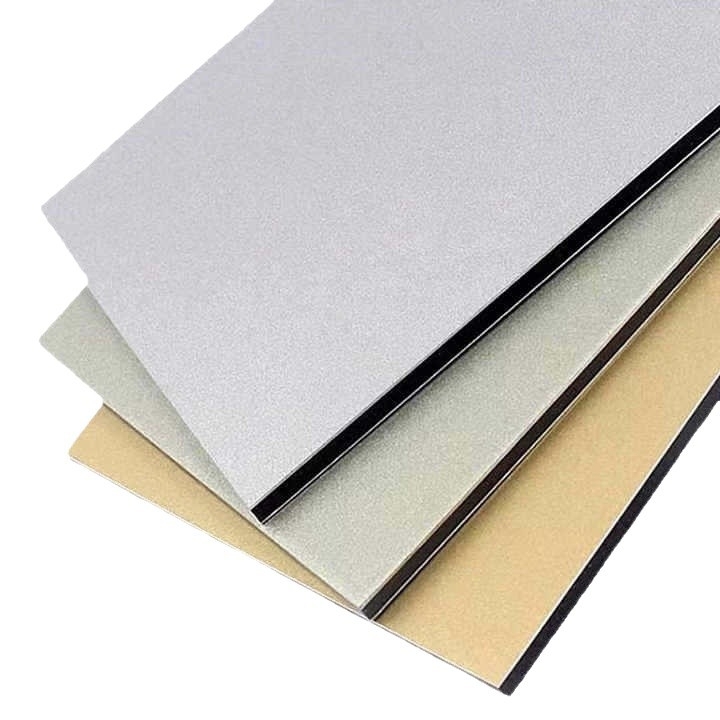
To understand the risk, we must first understand the market. Cheap Aluminum Composite Panels typically consist of two thin aluminum sheets bonded to a non-aluminum core. While premium panels use mineral-filled (FR) cores or high-grade polyethylene, budget variants often rely on unregulated, low-density polyethylene (PE) cores.
The Initial "Savings" Trap
A low-cost panel can reduce the *material budget* by 30% to 50% compared to certified, fire-retardant alternatives. For a large-scale commercial project, this translates to hundreds of thousands of dollars in "saved" capital. But as industry experts note, this is a classic case of high initial risk for low short-term cost.
2. The Critical Risk: Fire Safety & Combustibility
The most severe risk associated with cheap ACPs is combustibility. The core material is the deciding factor in how a panel behaves during a fire.
Polyethylene (PE) Core Hazards
Standard PE cores are highly flammable. In the event of a fire:
- Rapid Flame Spread: The core acts as a fuel source, allowing flames to travel vertically across the facade at alarming speeds.
- Toxic Smoke Emissions: Burning PE releases dense, toxic smoke (carbon monoxide and soot), which is the primary cause of death in building fires rather than the flames themselves.
- Regulatory Non-Compliance: Most jurisdictions (including the US, UK, UAE, and EU) have tightened building codes post-Grenfell Tower tragedy. Installing non-compliant, combustible panels can result in stop-work orders, legal injunctions, or mandatory recladding—a cost that can be 10x the original installation expense.
3. Structural Degradation and Weather Performance
Beyond fire safety, cheap panels fail to perform in environmental durability.
Delamination
The bond between the aluminum skin and the core is critical. Low-quality manufacturers use substandard adhesive films. Over time (often within 3 to 5 years), exposure to UV radiation, humidity, and thermal expansion causes the layers to separate. This delamination results in bubbling, warping, and the potential for panels to detach from the building facade, posing physical hazards to pedestrians.
Color Fade and Chalking
Cheap panels utilize PVDF (Polyvinylidene fluoride) coatings of low quality or inferior polyester coatings. Unlike premium finishes that guarantee 20+ years of color retention, budget panels suffer from rapid color fading, chalking (a white powdery residue), and streaking, ruining the architectural intent of the project.
4. Legal Liability and Insurance Implications
Buyers often overlook the legal exposure involved in specifying non-certified materials.
- Warranty Voids: If a cheap panel fails, the manufacturer often disappears or cites "improper installation" to void the warranty. Many of these importers are shell companies with no assets to back their claims.
- Insurance Premiums: Insurance carriers are increasingly requiring certified test reports (such as ASTM E84, NFPA 285, or EN 13501-1) before insuring commercial properties. Buildings clad in cheap ACPs face significantly higher premiums or outright denial of coverage.
- Litigation: In the event of a fire or injury, architects, contractors, and building owners can be held jointly liable. The "I didn’t know" defense is not valid in court when it comes to life safety.
5. The Total Cost of Ownership (TCO)
When evaluating the true cost, buyers must move beyond the purchase price to the Total Cost of Ownership (TCO).
Factor | Premium (Certified) ACP | Cheap (Non-Compliant) ACP |
Initial Cost | Higher | Low |
Maintenance | Minimal (wash only) | High (repainting, repairs) |
Safety | Fire-retardant core; Non-combustible | Flammable; Toxic fumes |
Lifespan | 20–30 years | 3–8 years |
Insurance | Standard premiums | High risk; Difficult to insure |
Resale Value | Maintains asset value | Negative impact; Stigma |
6. How to Mitigate Risk: A Buyer’s Checklist
To avoid the pitfalls of cheap aluminum composite panels, procurement officers and specifiers should adhere to strict verification protocols.
A. Demand Documentation
Do not rely on brochures. Request:
- Mill Certificates: Verify aluminum gauge and coating thickness (usually 0.5mm or 0.3mm skin thickness).
- Fire Test Reports: Look for NFPA 285 (full-scale wall assembly test) for high-rise applications, or ASTM E84 (tunnel test) for surface burning characteristics.
- Warranty: Ensure the warranty is backed by a stable manufacturer, not a trading company.
B. Perform Supplier Due Diligence
Visit the factory or request a third-party audit. Reputable manufacturers (such as Alucobond, Reynobond, or established Chinese Tier-1 factories like Jixiang or Seven) invest heavily in continuous coil coating and automated lamination lines, ensuring consistency that cheap fabricators cannot match.
C. Verify Core Composition
If safety is a priority, specify FR (Fire Retardant) or A2 (non-combustible) cores. While more expensive, these materials ensure compliance with international building codes and provide genuine peace of mind.
Conclusion: Value Over Volume
The true cost of cheap aluminum composite panels is never limited to the invoice. It encompasses potential life safety risks, legal liability, structural failure, and reputational damage.
For architects, the facade is the skin of the building—it defines the structure’s identity. For developers and contractors, it is a long-term asset. Cutting corners on ACP quality transforms a modern architectural feature into a ticking time bomb of maintenance costs and safety violations.
In the world of construction materials, you are not simply buying a panel; you are buying certification, durability, and accountability. Invest wisely, or prepare to pay the real price later.