Welcome to Vbond
The Ultimate Checklist for Auditing an Aluminum Composite Panel Factory Overseas
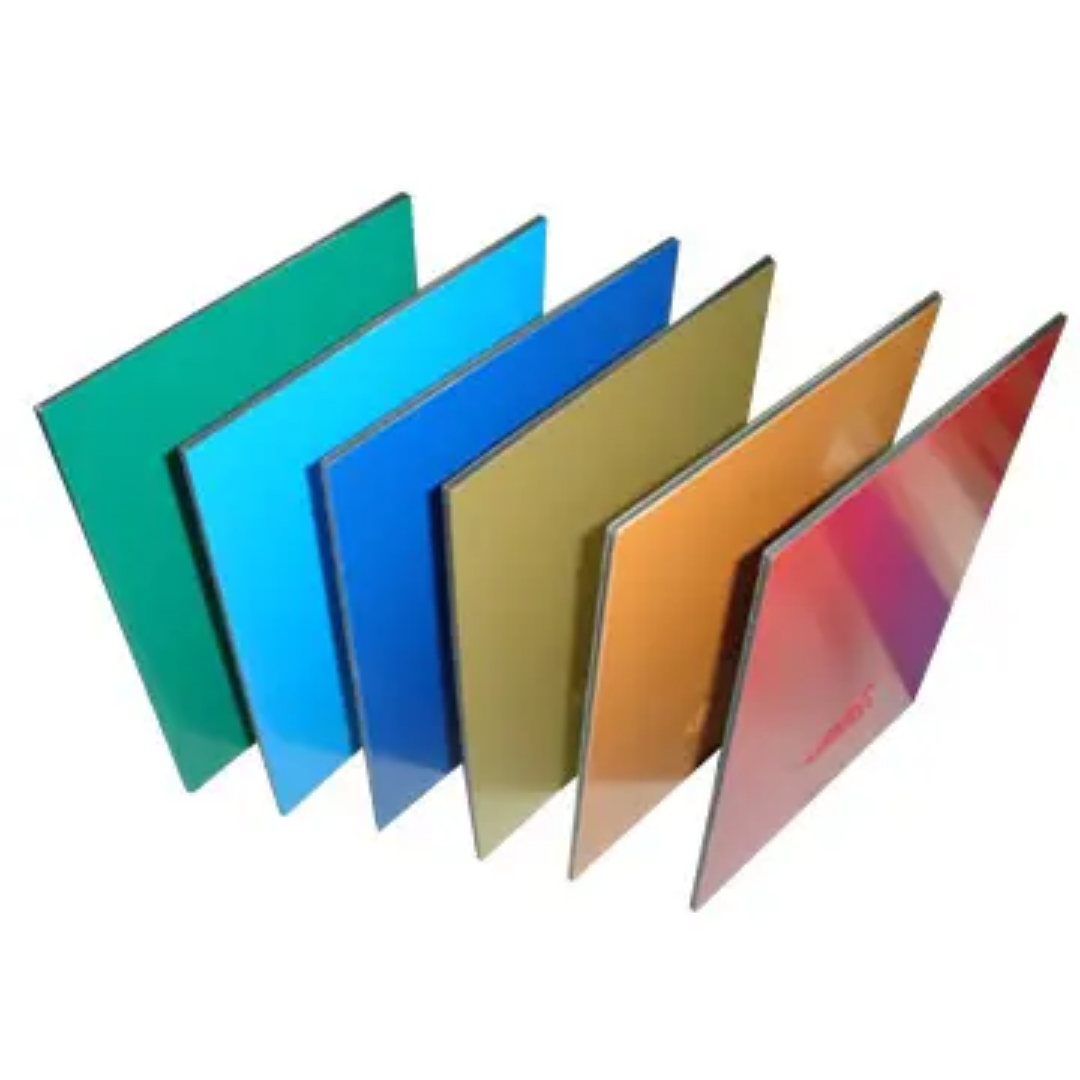
Discover the ultimate checklist for auditing an overseas aluminum composite panel factory. Learn how to inspect raw materials, production lines, quality control, and certifications to ensure supplier reliability.
In the world of modern construction and architectural cladding, Aluminum Composite Panels (ACP) are a staple. However, the quality of these panels can vary dramatically from one manufacturer to another. If you are sourcing ACP from overseas—particularly from major hubs like China—a physical factory audit is not just a formality; it is a crucial step in mitigating risk.
Walking into a foreign factory for the first time can be daunting. You might be greeted with a pristine showroom and a polished sales pitch, but the real story is always on the production floor.
This ultimate checklist is designed to guide you through every corner of an ACP manufacturing facility, ensuring you partner with a factory that delivers durability, safety, and consistency.
Phase 1: The First Impression - Housekeeping and Safety
Before you even look at the machines, look at the floor. The state of the facility speaks volumes about the management’s attitude toward quality.
- Facility Layout and Cleanliness: Is the factory organized, or are there metal shavings and offcuts scattered everywhere? A cluttered workspace often leads to mixed-up materials and accidents.
- Safety Protocols: Check if workers are wearing appropriate personal protective equipment (PPE). Are there fire extinguishers, and are they accessible? Since ACP involves flammable cores (like PE), fire safety protocols are non-negotiable .
- Environmental Compliance: Look for operational wastewater treatment facilities and fume extraction systems. Factories that cut corners on environmental laws pose a high risk of being shut down, which would disrupt your supply chain.
Phase 2: Raw Material Verification (The Input Determines the Output)
You cannot make premium panels from cheap ingredients. This stage is about verifying what goes into the panels before production starts.
- Aluminum Coil Inspection:
- Alloy Grade: Verify that the coils are the correct grade (commonly AA1100 or AA3003) as specified. Reputable factories will have Mill Test Certificates.
- Thickness Tolerance: Bring a micrometer. High-quality coils should have a tolerance of ±0.02mm. Unscrupulous manufacturers might use thinner aluminum to cut costs.
- Surface Quality: Check the coil for oil residue, oxidation, or scratches, as these will ruin the final finish.
- Core Material Analysis:
- PE (Polyethylene) Core: For standard panels, check the density (ideal is 0.91–0.93g/cm³) and the Melt Flow Index (MFI). Inconsistent PE leads to weak bonding.
- FR (Fire Retardant) Core: If you are ordering fire-resistant panels, this is critical. Ask to see the purity testing for mineral fillers (like Magnesium Hydroxide or ATH). An uneven dispersion of fire retardants means the panel might fail a fire test.
- Paint and Coating Verification:
- PVDF vs. PE: Confirm the paint type. For exterior use, PVDF (Polyvinylidene Fluoride) is standard. Check the batch numbers for paint to ensure they aren't switching to cheaper alternatives mid-production.
- Protective Film: Inspect the peel strength of the protective masking film. If it’s too weak, it falls off during transport; if it’s too strong, it’s a nightmare for installers to peel off.
Phase 3: Production Line Deep Dive
This is where you observe the transformation of raw materials into finished goods. Pay close attention to the "hidden" steps that aren't visible in the final product.
1. The Cleaning and Pre-Treatment Stage
Watch how the aluminum coil is cleaned. It must undergo a chemical conversion coating (chromating or equivalent) to ensure the paint sticks. If this step is skipped due to cost-cutting, the paint will eventually peel off the building facade.
2. The Lamination Process
This is the heart of ACP manufacturing.
- Temperature and Pressure: The machine settings should show a consistent temperature (usually 180-200°C) and pressure (8-12 MPa). Fluctuations here cause delamination later on.
- Line Speed: The line speed should be steady. Going too fast to meet a deadline usually results in poor bonding.
3. The Coating Line
- Automatic vs. Manual: Fully automatic spray lines ensure uniform thickness. Manual spraying often leads to orange peel effects or inconsistent color.
- Curing Oven: Ensure the oven temperature is adequate to properly cure the paint. Under-cured paint is soft and fades quickly.
Phase 4: The Quality Control Lab (The Heart of the Audit)
Almost every factory claims to have "strict QC." Your job is to verify that the testing equipment is actually used and not just gathering dust.
- Peel Test (Bond Strength): Ask to see a peel test being performed. The bond strength between the aluminum and the core should be ≥6N/mm for exterior grades. Check the machine’s calibration sticker.
- Coating Thickness: Use a thickness gauge. PVDF coatings should typically be around 25μm total. Beware of manufacturers who thicken the primer to cheat on thickness while skimping on the expensive topcoat.
- Color Consistency (Spectrophotometer): Place a new panel next to a reference sample. The Delta E (ΔE) value should be less than 0.5-1.0 for a "perfect match." For weathering tests, a ΔE ≤ 5 after QUV testing is acceptable.
- Impact and Bend Tests: Watch them perform a T-Bend test (to check flexibility) and an impact test (dropping a weight on the panel). The coating should not crack, and the panel should not delaminate.
- Dimensional Accuracy: Measure the panels. Length and width should be within ±2mm, and the diagonal difference should be less than 3mm. Warpage should be ≤1mm per meter.
Phase 5: Certifications and Documentation
Paperwork is the backbone of traceability.
- ISO 9001:2015: This certifies they have a quality management system, but it doesn't guarantee the product quality—it guarantees consistency in process.
- Fire Test Reports: Demand to see actual test reports (e.g., EN 13501-1, ASTM E84, or GB/T 17748). Ensure the report matches the product you are ordering (same thickness, same core).
- Batch Traceability: Ask how they handle non-conforming products. Is there a system of red tags and quarantine areas? Can they trace a finished panel back to the specific batch of aluminum coil used?
Phase 6: The Shipping and Packaging Inspection
You don't want your premium panels arriving as scrap metal due to poor packaging.
- Interleaving: Ensure that panels have a protective film and that paper or foam is placed between them to prevent scratching.
- Packing for Transit: Check the strength of the wooden crates or pallets. For sea freight, the packaging must protect against moisture and rough handling. Look for corner protectors and steel strapping.
Conclusion: The "Go/No-Go" Decision
An audit is your only chance to see behind the curtain. Trust your instincts. If a factory fails on cleanliness, fails to provide test data, or refuses to let you see specific areas of the production line, it is a major red flag.
A world-class ACP factory will welcome your scrutiny because they are proud of their process. By using this checklist, you ensure that the panels you import will stand the test of time, weather, and regulatory scrutiny.