Welcome to Vbond
Top 10 Benefits of Using Aluminum Composite Panels (ACP) in Construction
In today's competitive construction landscape, selecting the right facade material is critical for balancing aesthetics, performance, and budget. Aluminum Composite Panels (ACP) have emerged as a premier engineered solution, transforming skylines globally. This comprehensive guide details the ten definitive benefits that make ACP a superior choice for architects, contractors, and developers, explaining not just what the advantages are, but why they matter for modern construction projects.
1. Exceptional Lightweight Nature
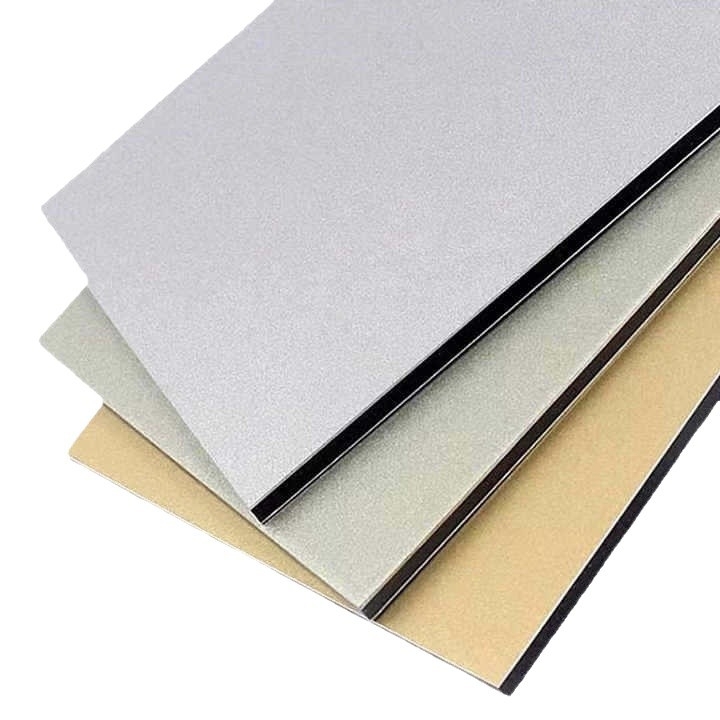
ACP’s sandwich panel structure—consisting of two thin, rigid aluminum sheets bonded to a lightweight thermoplastic or mineral core—provides an outstanding strength-to-weight ratio. This drastically reduces the dead load on a building’s primary structure and foundation. The benefit is twofold: it enables the use of lighter, less expensive structural supports and expands architectural possibilities for over-cladding and high-rise applications where weight is a paramount concern.
2. Superior Design Versatility and Aesthetic Appeal
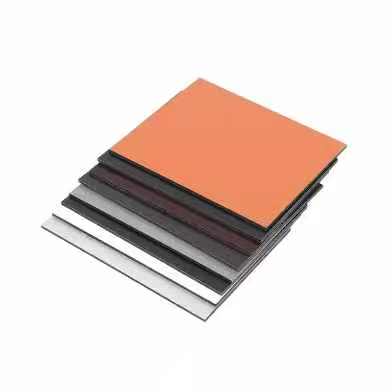
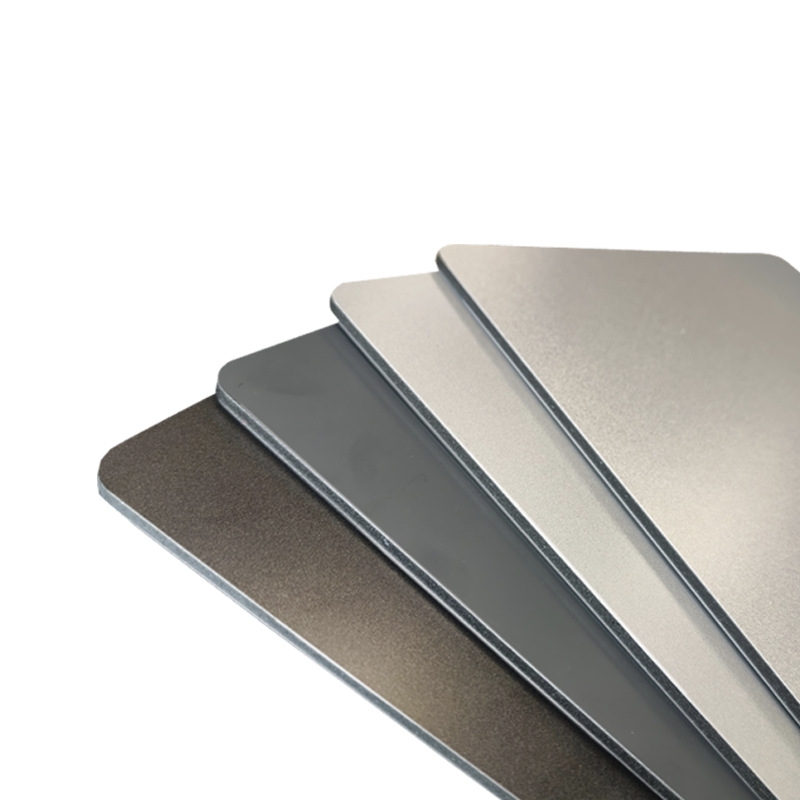
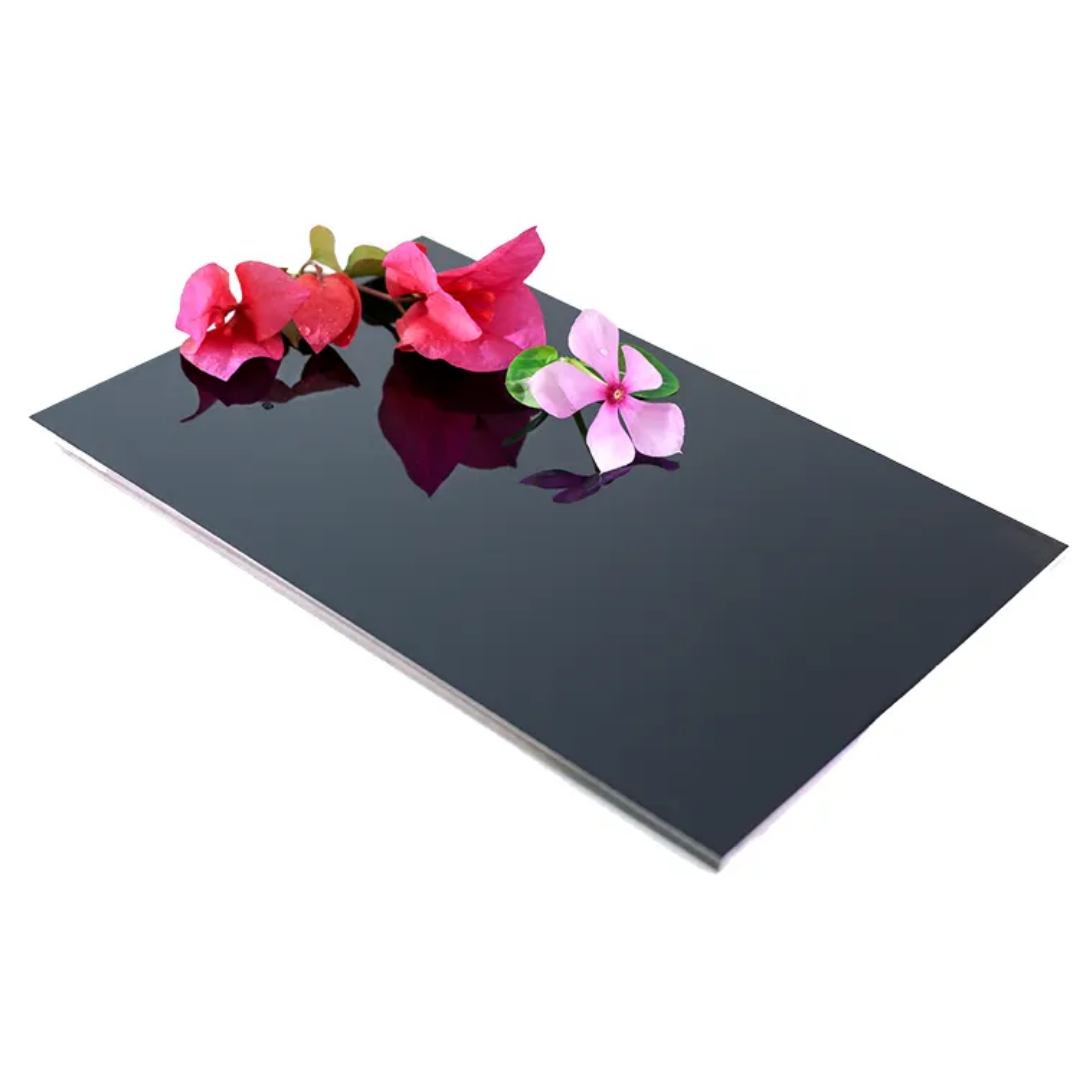
No other cladding material offers such expansive creative freedom. ACP is available in an unlimited spectrum of colors, metallic finishes, mirror effects, wood grains, and stone patterns. Advanced PVDF (Kynar 500®) coatings ensure long-term color retention and fade resistance. The material can be easily cold-formed, bent, and folded on-site, allowing for seamless corners, dynamic curves, and complex geometric facades that fulfill the most ambitious architectural visions.
3. Enhanced Durability and Long-Term Performance
Engineered as a complete building envelope system, ACP delivers robust performance. The aluminum skins are inherently corrosion-resistant and impervious to rot, insects, and fungi. When integrated into a properly designed, ventilated rainscreen facade, the panels provide excellent resistance against harsh environmental factors, including UV radiation, temperature extremes, and pollution, ensuring a long service life with minimal degradation.
4. Outstanding Flatness and Uniform Visual Surface
A key technical advantage of ACP is its ability to maintain exceptional panel flatness over large areas. The composite construction minimizes the visual effect of "oil canning" (subtle waviness) common in thin, solid metal sheets. This results in a sleek, monolithic, and high-quality appearance that is essential for achieving the crisp, clean lines demanded by contemporary architecture.
5. Simplified and Rapid Installation
ACP is a quintessential dry-construction system. Panels arrive on-site pre-finished and pre-cut to specifications, eliminating messy on-site painting. Installation using mechanically fixed systems (like rout-and-return or cassette systems) is fast and efficient. This streamlined process significantly reduces labor costs and construction timelines, leading to faster project completion and earlier return on investment.
6. Cost-Effectiveness and Value Engineering
Compared to traditional materials like natural stone, terracotta, or solid aluminum, ACP provides a high-end architectural aesthetic at a fraction of the material and installation cost. The combined savings from reduced structural load, faster installation, and lower maintenance contribute to a favorable life-cycle cost and make it a pool for value engineering without compromising design intent.
7. Excellent Thermal Insulation and Energy Efficiency
The core material in ACP acts as a thermal break. When deployed as part of a ventilated facade system, it creates an air cavity that enhances the building’s thermal insulation performance. This reduces thermal bridging, lowers heating and cooling loads, and contributes directly to improved building energy efficiency, helping projects meet stringent sustainability standards and reduce operational carbon footprint.
8. Low Maintenance and Easy Cleanability
ACP facades require minimal upkeep. The non-porous, smooth surface resists dirt accumulation and is easily cleaned with water and mild detergents. Unlike porous materials that can stain or weather, a well-maintained ACP facade retains its like-new appearance for decades, translating to lower long-term maintenance costs for building owners.
9. Fire Safety Performance (When Correctly Specified)
Modern ACP technology addresses fire safety head-on. It is imperative to specify fire-rated ACP panels with non-combustible mineral cores (classified as A2 or B1 per EN 13501-1). These advanced panels meet rigorous international building fire codes and safety regulations, making them a safe and compliant choice for mid- and high-rise buildings, ensuring occupant safety and developer liability protection.
10. Sustainability and Recyclability
Aluminum is one of the most infinitely recyclable materials on earth. Leading ACP manufacturers incorporate post-consumer recycled content and operate take-back programs. At the end of its long life, the aluminum skins can be fully recycled, supporting circular economy principles and contributing to green building certification points under systems like LEED, BREEAM, or WELL.
Conclusion: The Engineered Choice for Smart Construction
The benefits of Aluminum Composite Panels extend far beyond surface-level aesthetics. They represent a holistic, high-performance construction solution that synthesizes engineering intelligence with architectural artistry. From enabling breathtaking designs and accelerating project schedules to enhancing building performance and ensuring safety, ACP delivers tangible, multifaceted value. For any project aiming to achieve durability, beauty, efficiency, and cost-control in unison, specifying ACP is not just an option—it is a strategically sound decision.