Welcome to Vbond
Troubleshooting Common ACP Issues: Fading, Dents, and Moisture
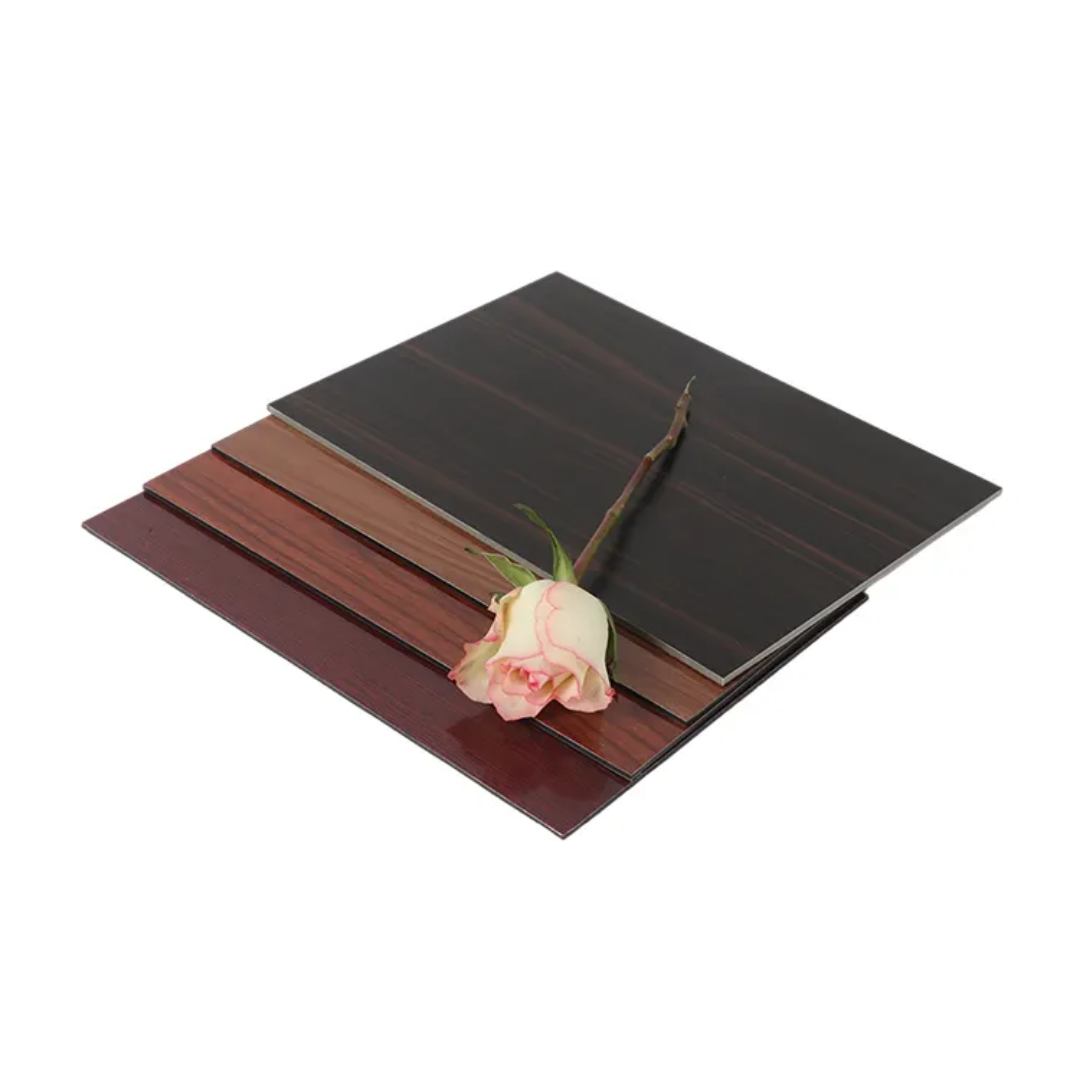
Aluminum Composite Panels (ACP) are celebrated for their durability and modern aesthetic, but like any building material, they can present specific challenges over time. Proactive identification and understanding of common issues—such as fading, denting, and moisture ingress—are key to maintaining performance and longevity. This guide serves as a professional troubleshooting manual for building owners, facility managers, and installers, offering clear diagnostics and effective solutions.
Issue 1: Color Fading & Chalking
The Problem: The vibrant facade color appears washed out, uneven, or has a white, powdery residue (chalking) on the surface.
Root Causes & Diagnosis:
Inferior Coating Quality: The most common cause. Low-grade polyester (PE) or acrylic coatings degrade rapidly under UV exposure, losing pigments and binders.
Non-Compliant PVDF: Panels marketed as "PVDF" may contain insufficient resin content (<70%), failing to provide adequate UV protection.
Environmental Stress: Extreme pollution, coastal salt spray, or industrial fallout can accelerate coating breakdown.
Professional Solutions & Prevention:
For Existing Facades: Professional cleaning with a mild, non-abrasive detergent may remove surface chalking temporarily. However, significant fading indicates irreversible coating failure. Long-term resolution involves facade recoating by a specialist using certified PVDF systems or, ultimately, panel replacement.
Prevention is Key: Specify panels with genuine, high-performance PVDF (Kynar 500/Hylar 5000) or FEVE coatings and a written 20+ year warranty against fading and chalking. Demand certified coil samples and mill certificates during procurement.
Issue 2: Dents, Oil-Canning, & Surface Deformation
The Problem: Visible indentations, waviness ("oil-canning"), or rippling on the panel surface.
Root Causes & Diagnosis:
Impact Damage: Caused by equipment, debris, or improper handling during/after installation.
Oil-Canning: A visual waviness perceived on flat, light-colored panels. It's often a system design flaw, not a material defect. Causes include:
Inadequate Substructure: Frame spacing exceeding the panel's recommended span, or using undersized/weak rails.
Thermal Expansion: Improperly designed joint allowances restricting natural panel movement.
Poor Flatness: Low-quality panels with inconsistent skin thickness or internal stresses.
Professional Solutions & Prevention:
For Minor Dents: Small dents can sometimes be carefully eased out by a specialist using heat and suction, though color matching may be an issue. Often, panel replacement is the only flawless fix.
Addressing Oil-Canning: This requires systemic analysis. Solutions may include adding secondary stiffening behind the panel, adjusting fixing points, or, in severe cases, redesigning the support grid. Prevention lies in meticulous engineering design, adhering to manufacturer-specified spans, and using rigid, high-tensile aluminum cores and flat skins.
Issue 3: Moisture Ingress & Core Degradation
The Problem: Water penetration behind panels, leading to stains, corrosion, bulging, or in severe cases, panel delamination and structural compromise.
Root Causes & Diagnosis:
Failed Sealant Joints: The primary cause. Sealant can fail due to UV degradation, poor adhesion (from unclean surfaces), improper tooling, or movement exceeding its capability.
Incorrect Detailing: Faulty design or installation at penetrations, corners, windows, and roof interfaces.
Poor Drainage: Trapped moisture due to inadequate or blocked weep holes in a drained and back-ventilated system.
Mechanical Damage: Punctures or cracks in the panel skin.
Professional Solutions & Prevention:
Immediate Action: Identify and stop the water source. This may involve resealing failed joints after removing old sealant and meticulously preparing surfaces. Ensure weep holes are clear.
Assessment: Remove affected panels to inspect the substructure for corrosion. Wet mineral cores may require drying; severely degraded polyethylene cores necessitate full panel replacement.
Prevention: Implement a robust maintenance program with bi-annual inspections of sealant joints. Ensure original installation follows a pressure-equalized rain screen principle and uses high-performance structural sealants** compatible with ACP.
Conclusion: A Proactive Approach Preserves Value
Effective troubleshooting of ACP issues separates symptoms from root causes. While fading is a material selection failure, oil-canning is often a design/installation error, and moisture is typically a detailing/maintenance shortfall.
The cornerstone of avoidance is a quality-first specification, paired with expert installation and planned preventive maintenance. Investing in certified materials, engineered support systems, and professional workmanship from the outset minimizes these risks, protecting your building's aesthetic, integrity, and value for decades. When issues do arise, engage with qualified facade specialists who can diagnose not just the symptom, but the underlying system failure.






