Welcome to Vbond
Using ACP to Camouflage Unsightly Building Utilities and Vents
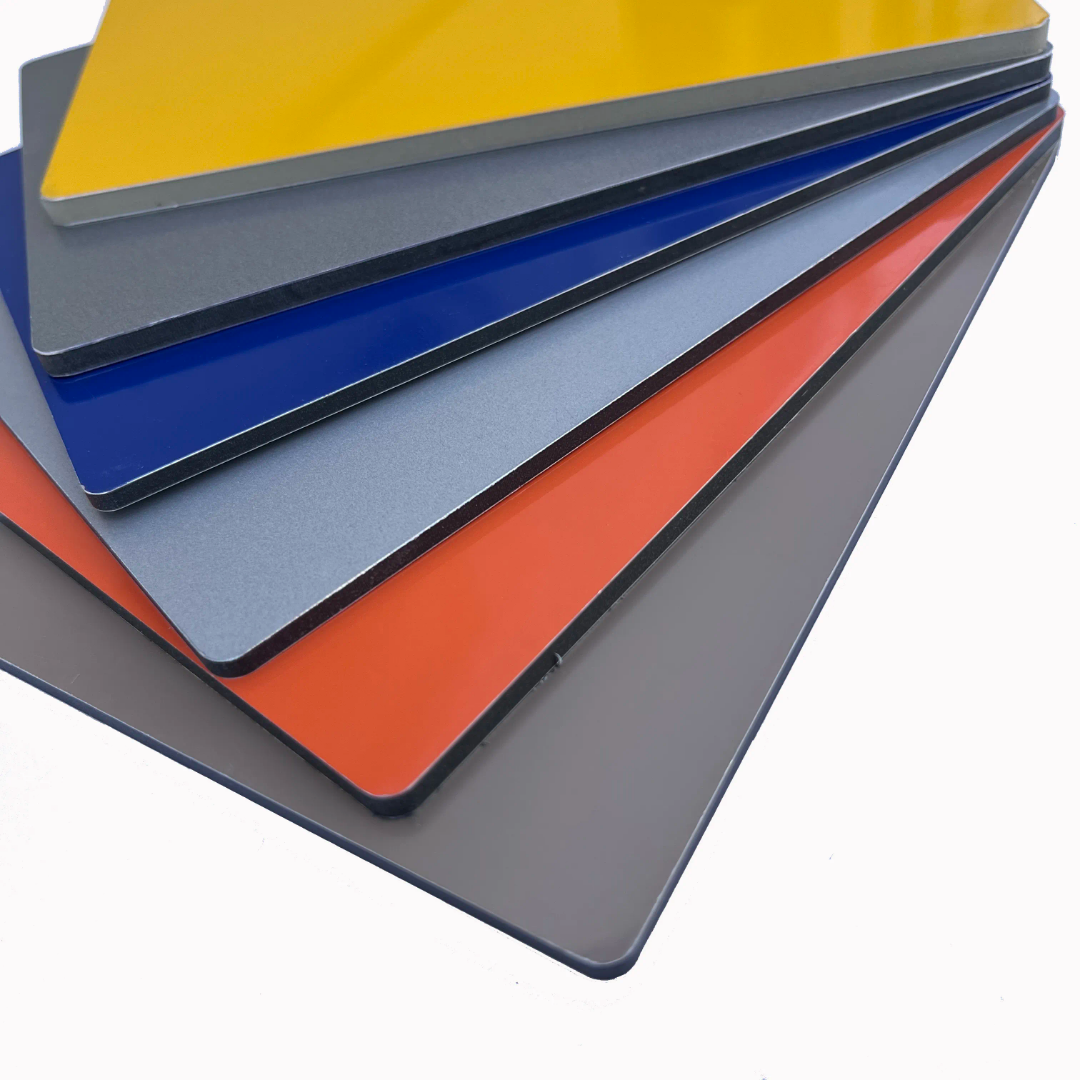
Every building, regardless of architectural merit, has a dirty secret. Rooftops are cluttered with HVAC units, exhaust fans, and plumbing stacks. Sidewalls sprout unsightly vent terminals, electrical conduits, and flue pipes. These functional necessities—often added as afterthoughts or required by code—frequently compromise the clean aesthetic architects work so hard to achieve.
For decades, the solution was either expensive custom screening fabricated on-site or simply accepting the visual clutter. Today, Aluminium Composite Panels (ACP) offer a superior alternative. When designed intelligently, ACP can transform eyesores into design features, hiding utilities while maintaining the access, airflow, and safety they require.
This article provides a technical guide to using ACP as a camouflage solution for building utilities and vents, ensuring your projects remain photogenic without compromising functionality.
The Problem: When Function Fights Form
Building utilities present a unique design challenge because they rarely cooperate with architectural geometry. Vents must terminate in specific locations to meet code requirements for exhaust dispersion. Mechanical equipment requires specific clearances for airflow and maintenance. Plumbing vents must penetrate the roof at the stack location, not where they look best.
Common eyesores include:
- Roof penetrations: Plumbing stacks, vent pipes, exhaust flues
- Wall-mounted equipment: HVAC condensers, exhaust fans, louvers
- Rooftop mechanical units: Air handlers, chillers, cooling towers
- Utility connections: Gas meters, electrical panels, conduit runs
- Retrofit additions: Equipment added after original constructio
Traditional screening methods often fail because they:
- Block required airflow
- Deny maintenance access
- Create their own visual distraction
- Corrode or deteriorate in weather
- Require costly custom fabrication
ACP addresses each of these limitations through its unique combination of properties.
Why ACP is the Ideal Camouflage Material
Aluminium Composite Panels possess specific characteristics that make them uniquely suited to utility screening applications.
1. Lightweight Strength
ACP's sandwich construction—two thin aluminum skins bonded to a polyethylene or mineral core—creates an exceptional strength-to-weight ratio. This means screens can span significant distances without heavy supporting structures, which is particularly valuable on rooftops where dead load is a concern.
2. Fabrication Flexibility
ACP can be cut, routed, folded, and curved using standard woodworking or metalworking tools. This allows fabricators to create custom enclosures that exactly match building geometry, wrapping around obstacles and fitting into tight spaces where off-the-shelf solutions won't work.
3. Weather Resistance
The aluminum surfaces, protected by high-performance PVDF or polyester coatings, resist the corrosion and UV degradation that plague painted metal screens. In coastal or industrial environments, this durability is essential for long-term performance.
4. Finish Matching
Perhaps most importantly, ACP can be manufactured in virtually any color, including custom matches to existing building finishes. This allows screens to disappear visually, reading as part of the architecture rather than an add-on.
5. Perforation Capability
For applications requiring airflow, ACP can be perforated with precision patterns that maintain ventilation while obscuring the view.
Design Strategies for Utility Camouflage
Successful utility camouflage requires more than simply boxing in equipment. It demands thoughtful design that integrates with the building's architectural language.
1. The Perforated Screen
When screening vents, louvers, or equipment requiring airflow, perforated ACP offers an elegant solution. By specifying panels with:
- Calculated open area matching the ventilation requirements of the equipment
- Hole patterns that complement the building's design language
- Color-matched finishes that blend with surrounding surfaces
Architects can achieve screening that breathes while it conceals. The eye is drawn to the panel surface, not the dark void behind it, effectively erasing the equipment from visual perception.
Technical consideration: Perforation patterns must be specified based on required airflow (CFM) and pressure drop. Consult with mechanical engineers to ensure screen designs don't starve equipment of air or create back-pressure that reduces efficiency.
2. The Integrated Volume
Rather than attaching a box to the building, consider designing ACP-clad volumes that appear integral to the architecture. This approach works particularly well for rooftop mechanical penthouses or ground-mounted equipment.
By extending building geometry to enclose utilities, the screening becomes part of the design language rather than an appendage. This might involve:
- Continuing curtain wall mullions through the screen
- Matching panel joinery patterns on screening elements
- Using the same color palette and finish as the main facade
3. The Sculptural Solution
Sometimes, the most effective camouflage is to make the utility screening a design feature in its own right. ACP's formability allows for curved, folded, or faceted screens that add architectural interest while hiding what lies behind.
This approach works well when:
- The building language is already sculptural or geometric
- The equipment location is prominent (e.g., street-facing roof)
- The client values distinctive architectural expression
4. The Disappearing Act
When the goal is invisibility, color matching is paramount. Specify ACP finishes that precisely match:
- Adjacent wall materials
- Roofing colors
- Architectural metalwork
The most successful disappearing acts use the same panel profile, joinery detail, and finish as the surrounding surfaces, making the screen indistinguishable from the building envelope.
Technical Considerations for Ventilation Screening
Screening vents requires particular care because mistakes can affect building performance and safety.
Critical Factors
Clearance Requirements
All mechanical equipment and exhaust terminations have minimum clearance distances specified by:
- Manufacturer installation instructions
- Mechanical codes (IMC, IPC)
- Fire safety regulations
- Make-up air requirements
Before designing any screen, obtain the required clearances from the equipment manufacturer and verify with the mechanical engineer of record.
Airflow Direction
Different vent types have different airflow characteristics:
- Exhaust vents: Push air out, often with significant velocity
- Intake vents: Pull air in, requiring protection from obstruction
- Combustion vents: Carry potentially hazardous gases, requiring specific termination clearances
Screen designs must accommodate these differences. High-velocity exhaust may require larger openings or deflection baffles to prevent air from being forced back into the building. Intake vents require protection from debris but minimal airflow restriction.
Maintenance Access
All screened equipment remains accessible for:
- Routine filter changes
- Seasonal inspections
- Emergency repairs
- Equipment replacement
Design screens with:
- Hinged panels with tamper-resistant latches
- Removable sections clearly identified
- Adequate clearance for service personnel and equipment
Thermal Expansion
ACP expands and contracts with temperature changes. Screens enclosing equipment that generates heat (condensers, flues, exhaust) must accommodate:
- Differential expansion between the screen and the building
- Expansion within the screen assembly itself
- Movement without binding or stressing fasteners
Installation Best Practices
The success of ACP utility screening depends heavily on installation quality.
Structural Support
While ACP is lightweight, screens must withstand:
- Wind loads (often higher on rooftops)
- Snow loads (if horizontal surfaces exist)
- Seismic forces (depending on location)
- Maintenance loads (personnel accessing equipment)
Engage a structural engineer to verify screen supports, particularly for larger enclosures.
Flashing and Weatherproofing
Screens attached to buildings create potential water intrusion points. Critical details include:
- Flashing at screen-to-wall connections
- Cap flashings on horizontal surfaces
- Drainage provisions within screen assemblies
- Sealant compatibility with ACP coatings
Fastener Selection
In exterior applications, all fasteners must be corrosion-resistant. Stainless steel (316 grade) is recommended for coastal or industrial environments. Fastener type (exposed vs. concealed) affects both appearance and longevity:
- Concealed fasteners provide a cleaner appearance but may limit panel removal
- Exposed fasteners allow easier access but require matching finishes and corrosion protection
Edge Treatment
Cut edges of ACP panels are vulnerable to moisture ingress. For screening applications, all cut edges should be:
- Sealed with compatible edge sealant
- Protected by flashing where exposed
- Located in positions not subject to standing water
Case Studies in Successful Camouflage
Urban Infill Pharmacy
A downtown pharmacy required multiple exhaust vents through a prominent street-facing facade. Rather than penetrating the finished wall, architects grouped all vents into a single recessed niche closed with perforated ACP matching the surrounding charcoal-gray cladding. The result: full code-compliant ventilation with zero visual impact.
Rooftop Mechanical Screen
A multi-family residential project required screening for eight HVAC condensers on a visible roof section. Custom-fabricated ACP screens, color-matched to the building's parapet coping, enclosed the equipment while maintaining required airflow and service access. Hinged panels allow maintenance without screen removal.
Ground-Mounted Transformer
A commercial development needed to screen an unsightly utility transformer at the primary entrance. A curved ACP screen, matching the building's signature red accent color, wraps the equipment while doubling as a sculptural entry feature. Perforated sections maintain transformer cooling requirements.
Common Mistakes to Avoid
Even well-intentioned screening can fail. Avoid these common pitfalls:
- Inadequate airflow: Starving equipment of air reduces efficiency and shortens equipment life
- Blocked access: Screens that prevent maintenance lead to equipment neglect and eventual failure
- Thermal trapping: Enclosures that trap heat can cause equipment overheating
- Condensation issues: Poorly ventilated screens can trap moisture, promoting corrosion
- Incompatible materials: Dissimilar metals in contact can cause galvanic corrosion
- Ignoring snow loads: Horizontal screen surfaces must be designed for local snow loads
Maintenance Considerations
Screened utilities require maintenance of both the equipment and the screen itself. Design with these factors in mind:
- Access frequency: Screens concealing equipment requiring monthly filter changes need different access solutions than screens hiding static vents
- Cleaning requirements: Perforated screens may require periodic cleaning to maintain airflow
- Finish durability: High-traffic areas or screens subject to exhaust heat may require more durable coatings
- Component replacement: Design screens allowing individual panel replacement without full disassembly
Conclusion: Turning Necessity into Design Opportunity
Building utilities need not compromise architectural vision. With the thoughtful application of Aluminium Composite Panels, unsightly vents, equipment, and penetrations can be concealed effectively while maintaining full functionality.
The key lies in:
- Early coordination between architectural and MEP designers
- Material selection appropriate to the specific application
- Design integration that treats screens as architecture, not afterthoughts
- Technical rigor ensuring airflow, access, and safety requirements are met






