Welcome to Vbond
ustomizable ACP: Colors, Finishes, and Textures for Unique Designs
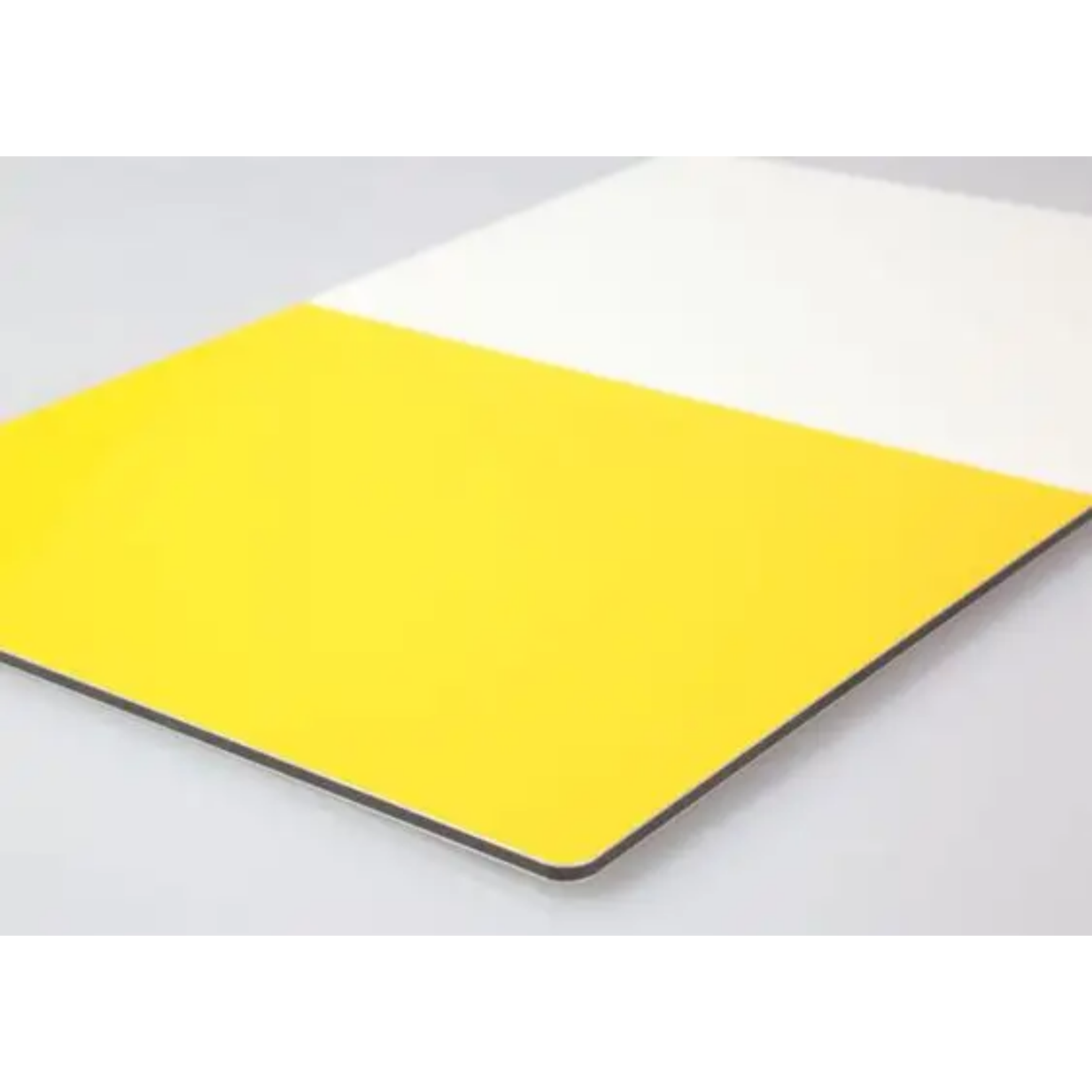
In architectural design and branding, differentiation is key. The material chosen for a facade, interior feature, or signage must not only perform but also embody a project’s unique vision. Aluminum Composite Panel (ACP) excels in this arena, surpassing a standard cladding solution to become a highly customizable design medium. This article explores the extensive palette of colors, finishes, and textures available in modern ACP, providing professionals with the knowledge to specify materials for truly unique and impactful designs.
Beyond the Standard: The Core of ACP Customization
The versatility of ACP stems from its manufacturing process. The aluminum skins are coil-coated before lamination, allowing for an immense range of pre-treatment options. This, combined with post-production techniques, unlocks near-limitless aesthetic potential.
1. Color Customization: Precision and Personality
Standard & Metallic Color Range: Manufacturers offer extensive standard color charts (e.g., RAL, Pantone) for reliable specification. Metallic finishes, including brushed aluminum, champagne, and copper, provide a sleek, modern aesthetic with dynamic light reflection.
Custom Color Matching: For critical brand identity projects, exact color matching is available. Advanced coating technologies ensure that even the most specific brand hues are replicated with fidelity and consistency across all panels.
Digital Print & Full-Color Graphics: The ultimate in color customization is direct digital printing (using UV-curable inks) onto the ACP surface. This allows for photorealistic imagery, intricate patterns, murals, and seamless gradient effects, transforming panels into large-format canvases for artistic expression.
2. Surface Finishes: Controlling Light and Perception
The finish has a dramatic effect on a panel’s visual character and its interaction with light.
High Gloss: Delivers a mirror-like, reflective surface that creates bold, vibrant statements and enhances modern aesthetics. Ideal for striking feature walls and dynamic retail environments.
Matt/Satin: Offers a contemporary, sophisticated look with minimal light reflection. It conceals surface imperfections well and provides a non-glare, elegant appearance for corporate and institutional buildings.
Anodized Effect: Specialty coatings can mimic the look of classic anodized aluminum—a durable, metallic finish with a distinctive, slightly textured grain—while offering more color consistency and design flexibility.
3. Texture and 3D Effects: Adding Depth and Dimension
True design innovation lies in moving beyond flat surfaces.
Embossed & Patterned Finishes: ACP can be manufactured with embossed textures, such as fine lines, geometric patterns, or leather-like grains. These textures catch light and shadow uniquely, adding subtle depth and tactile interest.
Natural Material Replication: Advanced printing and embossing techniques create highly realistic replications of wood grains, natural stone (like marble or granite), corten steel, and concrete. This allows for the warm or industrial appeal of these materials with the lightweight, formable benefits of ACP.
Perforated & Fretwork Panels: Customized perforation patterns can be CNC-punched into ACP, creating decorative screens for solar shading, acoustic control, or decorative façades that play with transparency and opacity.
Professional Specification for Optimal Results
To leverage this customization effectively, a professional specification is crucial:
1. Define the Design Intent: Clearly communicate the desired visual effect—is it bold reflection, subdued elegance, or natural mimicry?
2. Consider the Environment: Specify PVDF (Kynar 500®/Hylar 5000®) coatings for superior color retention and chalk resistance on long-term exterior applications. For interiors, a wider range of coating options (PE, polyester) may be suitable.
3. Request Physical Samples: Always evaluate large, physical samples under both natural and artificial light to assess true color, texture, and finish before full-scale procurement.
4. Collaborate with Fabricators: Engage experienced ACP fabricators early. They can advise on the manufacturability of complex textures or prints, especially for 3D folded forms or curved panel applications.
Conclusion
Today’s ACP is a dynamic design tool that liberates architects and brand creators from material constraints. Its profound customization capabilities—from exact color matching and large-format printing to convincing textural replication—enable the realization of truly bespoke architectural visions. By understanding and specifying from this vast aesthetic spectrum, professionals can create distinctive, memorable environments that stand out in both the digital and physical landscape.






