Welcome to Vbond
What is an A2 Aluminum Composite Panel and Why is it in High Demand?
In the world of modern architecture and building construction, material selection is no longer just about aesthetics—it is increasingly about safety, durability, and regulatory compliance. Among the most talked-about materials in the facade industry today is the A2 aluminum composite panel (ACP). For specifiers, contractors, and procurement professionals, understanding this product is essential to delivering projects that meet strict fire safety standards without compromising on design flexibility.
This article provides a comprehensive, SEO-friendly guide to A2 aluminum composite panels, covering what they are, how they differ from standard panels, why they are in high demand, and what professional buyers should look for when sourcing them.
What Is an A2 Aluminum Composite Panel?
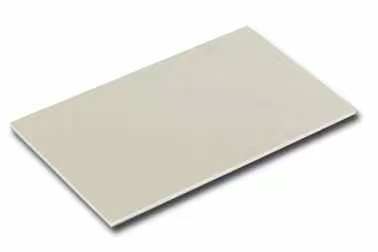
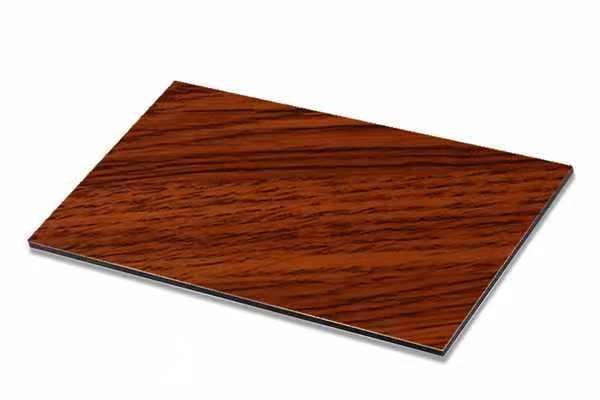
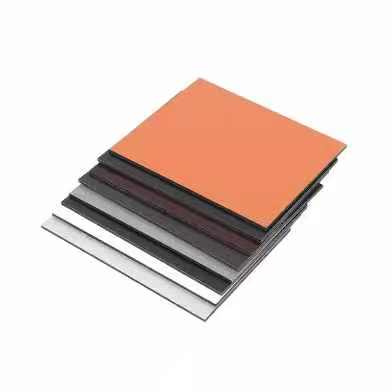
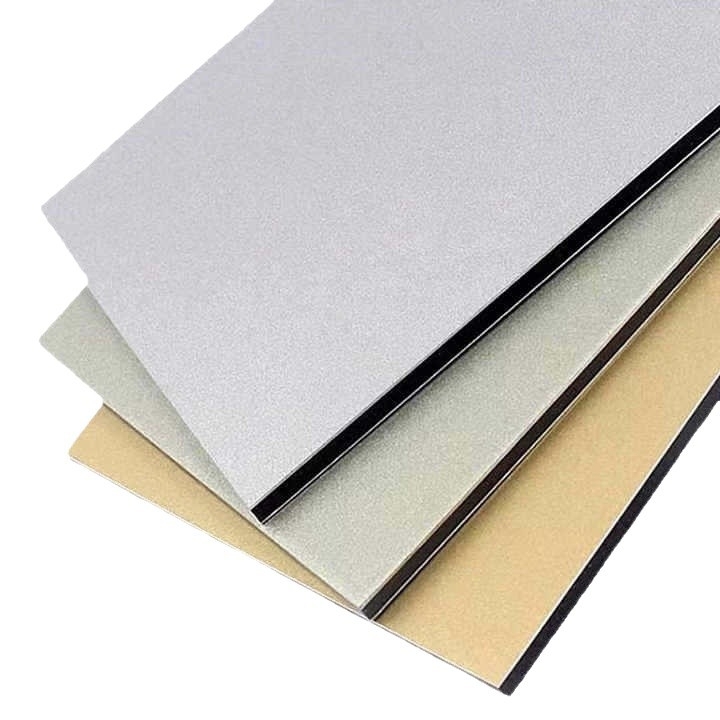
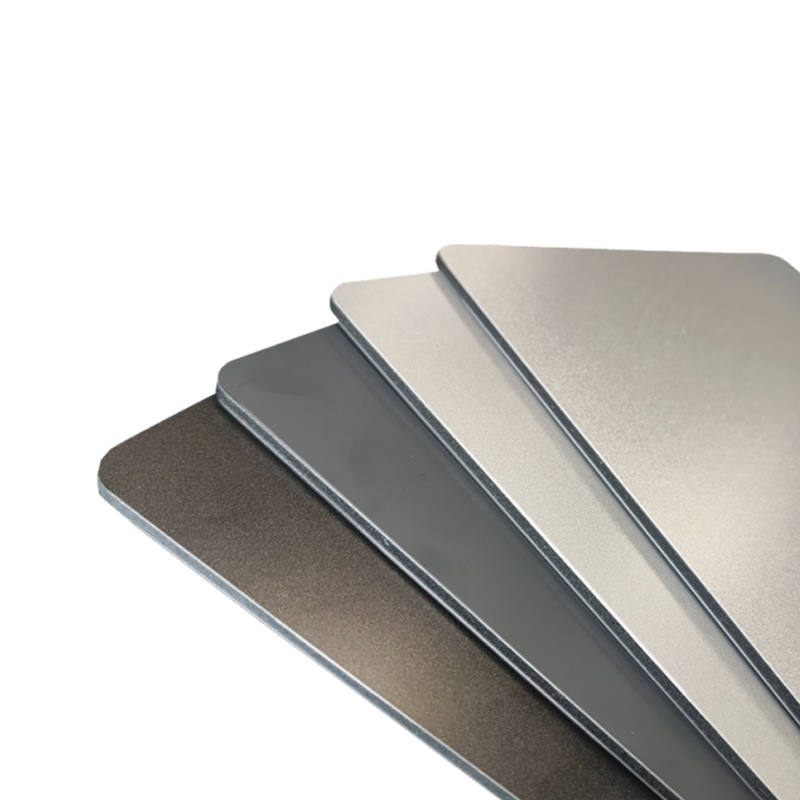
An A2 aluminum composite panel is a type of sandwich panel consisting of two thin aluminum cover sheets bonded to a non-combustible mineral-filled core. Unlike traditional aluminum composite panels that use a polyethylene (PE) core, A2 panels are engineered to achieve the highest level of fire performance among metal composite materials (MCM) that are still lightweight and workable.
The “A2” designation refers to the Euroclass fire rating under EN 13501-1, which classifies construction products based on their reaction to fire. An A2 rating means the material is limited combustible—it does not significantly contribute to fire spread and produces very limited smoke and flaming droplets. In many national building codes, including those in the European Union, the Middle East, and parts of Asia, A2-rated materials are mandatory for external cladding on high-rise buildings and other high-risk structures.
Key Components:
Top and bottom aluminum skins: Typically 0.3 mm to 0.5 mm thick, made from corrosion-resistant aluminum alloy (e.g., 3000 or 5000 series).
Mineral core: A non-combustible blend of inorganic materials, often including magnesium hydroxide or aluminum hydroxide, which provides fire resistance without sacrificing bonding strength.
Protective coatings: PVDF (polyvinylidene fluoride) or FEVE (fluoroethylene vinyl ether) coatings for superior weather resistance, color retention, and durability.
A2 vs. Other Fire Ratings: Understanding the Classification
To appreciate why A2 panels are in high demand, it helps to compare them with other common fire ratings:
Fire Rating | Core Material | Typical Application | Key Limitation |
A2 | Mineral-filled, non-combustible | High-rise facades, hospitals, schools, airports | Higher cost than PE panels |
B (B1/B2) | Modified fire-retardant (FR) | Mid-rise buildings, interiors | Limited combustibility; may not meet strict high-rise codes |
PE (Polyethylene) | Standard plastic core | Low-rise buildings, signage | Highly combustible; banned for high-rise use in many jurisdictions |
While fire-retardant (FR) core panels offer improved performance over standard PE, they still contain organic materials and can contribute to fire propagation. A2 panels, by contrast, are non-combustible and remain stable even under extreme heat, making them the preferred choice for buildings where life safety is paramount.
Why Is the Demand for A2 Aluminum Composite Panels Surging?
1. Stricter Building Codes and Fire Safety Regulations
The global construction industry has witnessed a paradigm shift in fire safety requirements following several high-profile building fires linked to combustible cladding. In response, regulators worldwide have introduced stricter codes:
Europe: EN 13501-1 mandates that buildings over 18 meters must use A2 or better-rated materials.
United Arab Emirates: The UAE Fire and Life Safety Code requires A2-rated cladding for all buildings exceeding 15 meters.
Singapore, Hong Kong, Australia: Similar regulations now enforce the use of non-combustible or limited-combustible cladding materials.
For procurement professionals, specifying A2 aluminum composite panels is no longer optional—it is a compliance necessity. Non-compliance can result in project delays, legal liabilities, and even demolition orders.
2. Balance of Safety, Aesthetics, and Workability
Unlike solid metal panels (such as aluminum sheets or copper panels), A2 aluminum composite panels offer exceptional flatness and formability. They can be bent, cut, routed, and fabricated into complex shapes without cracking or delamination. This allows architects to achieve bold, creative designs—from sweeping curves to sharp angles—while maintaining the required fire rating.
At the same time, the panels are lightweight (typically 5–8 kg/m²), reducing structural load and installation costs compared to stone, glass, or solid metal alternatives.
3. Durability and Long-Term Performance
Professional buyers value the total cost of ownership. A2 aluminum composite panels deliver:
Weather resistance: PVDF coatings provide over 20 years of fade resistance and chalk resistance, even in harsh coastal or desert environments.
Impact resistance: The composite structure absorbs impact better than solid metal sheets, minimizing dents and surface damage.
Low maintenance: The non-porous surface resists dirt accumulation and is easy to clean, making it ideal for high-rise maintenance logistics.
4. Sustainability and Green Building Certifications
With the rise of LEED, BREEAM, and Estidama, sustainability is a key procurement criterion. A2 aluminum composite panels contribute to green building goals in several ways:
Recyclability: Aluminum skins are 100% recyclable, and many manufacturers use recycled content.
Energy efficiency: The mineral core can improve thermal insulation when combined with insulated systems.
Non-toxic: The mineral core does not release harmful halogen gases during a fire.
Common Applications of A2 Aluminum Composite Panels
A2-rated ACPs are versatile and appear in a wide range of architectural applications, especially where fire safety and aesthetics intersect:
High-rise building facades: Curtain wall systems, ventilated facades, and column covers.
Airports and transportation hubs: Ceilings, interior wall cladding, and tunnel linings.
Hospitals and educational facilities: Where occupant safety is non-negotiable.
Commercial complexes: Shopping malls, exhibition centers, and corporate headquarters.
Signage and canopy structures: Large-format signage requiring fire-rated materials.
What Professional Buyers Should Look for When Sourcing A2 Aluminum Composite Panels
When procuring A2 aluminum composite panels, experienced buyers look beyond the product name. To ensure quality and compliance, consider the following:
✅ Genuine Certification
Verify that the manufacturer provides a valid test report from an accredited laboratory (e.g., Warringtonfire, UL, CSTB) confirming the A2 fire rating under EN 13501-1 or equivalent standards. Beware of suppliers who claim “A2-like” performance without third-party certification.
✅ Coating Quality
Request specifications on coating type: PVDF (70% Kynar 500® or Hylar 5000®) is the industry standard for exterior durability. For high-corrosion environments, consider FEVE-based coatings.
✅ Aluminum Alloy and Thickness
Ensure the aluminum skins use 5xxx or 3xxx series alloy with adequate thickness (minimum 0.3 mm for exterior applications) to resist hail, windborne debris, and thermal stress.
✅ Adhesive and Core Integrity
High-quality A2 panels use advanced bonding technology to prevent delamination. Request evidence of adhesion tests and warranty coverage (10–15 years is typical for reputable manufacturers).
✅ Supply Chain Consistency
Large-scale projects require consistent color, gloss, and mechanical properties across multiple production batches. Choose suppliers with ISO 9001-certified facilities and proven track records for international projects.
Cost Considerations: Value vs. Price
A2 aluminum composite panels are typically more expensive than standard PE-core or FR-core panels. However, for professional buyers, the initial cost premium is offset by:
Compliance assurance: Avoiding retrofit costs, legal penalties, or insurance issues.
Longer lifespan: Fewer replacements and lower maintenance.
Project reputation: Specifying certified A2 materials demonstrates a commitment to safety and quality, which is critical for developers and contractors seeking repeat business.
When evaluating quotes, focus on total project cost, including fabrication, installation, and lifecycle maintenance, rather than simply the panel price per square meter.
Conclusion
The shift toward A2 aluminum composite panels reflects a fundamental change in the construction industry—safety can no longer be an afterthought. As building codes tighten and architects continue to push design boundaries, A2 ACP offers the optimal intersection of fire safety, architectural freedom, and long-term durability.
For procurement professionals, understanding the technical nuances of A2 aluminum composite panels is key to making informed purchasing decisions. From verifying certifications to selecting the right coating and alloy, a thorough approach ensures that the materials specified today will meet both regulatory requirements and performance expectations for decades to come.
In a market where safety, sustainability, and aesthetics converge, the A2 aluminum composite panel stands out as one of the most essential building materials of the modern era.