Welcome to Vbond
When ACP Fails: Forensic Analysis of Common Installation Mistakes
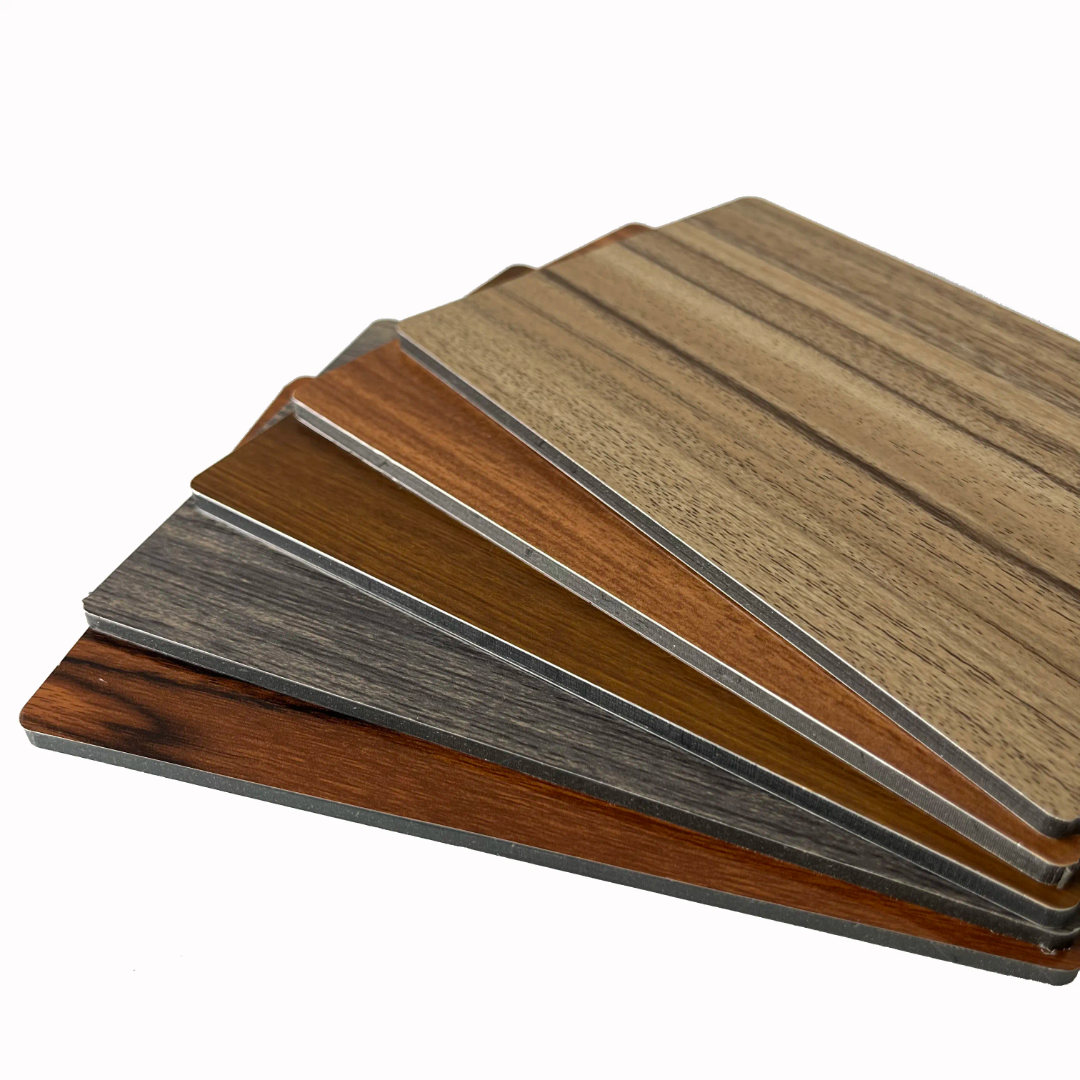
Aluminium Composite Panels (ACP) have revolutionized modern architecture, offering architects the freedom to create lightweight, durable, and visually striking facades. From sleek corporate headquarters to residential high-rises, ACP cladding delivers design flexibility and weather resistance that traditional materials struggle to match.
But when ACP fails, the consequences can be catastrophic.
The 2017 Grenfell Tower fire in London, which claimed 72 lives, stands as the world's most tragic reminder of what happens when ACP systems go wrong. Similarly, the 2014 Lacrosse Apartment fire in Melbourne caused a vertical fire spread that forced hundreds to evacuate and resulted in over $12 million in damages. These disasters share a common thread: they weren't random accidents but predictable outcomes of specific, avoidable failures.
This article presents a forensic analysis of the most critical ACP installation mistakes—examining not just what goes wrong, but why, and how these errors lead to system failure, litigation, and unacceptable risk.
Mistake 1: Material Mis-Selection—The Combustible Core Catastrophe
The single most dangerous mistake in ACP installation is specifying or installing panels with the wrong core material for the application. ACP panels typically consist of two thin aluminum skins sandwiched around a core material, and that core material determines fire performance.
The Forensic Evidence
At the Lacrosse fire, the panels contained a 100% highly combustible polyethylene core. Polyethylene has a high calorific content, meaning it actively fuels fire rather than resisting it. The fire started from an incorrectly extinguished cigarette on a balcony timber top, then spread to the ACP cladding. Once ignited, the polyethylene core caused flames to race vertically up the building.
The Victorian Civil and Administrative Tribunal (VCAT) later found that this ACP did not satisfy the relevant provisions of the Building Code of Australia. The builder was in breach of contractual warranties concerning material suitability and compliance with the law.
Prevention Protocol
- Match core to application: Use fire-retardant (FR) or non-combustible mineral cores for high-rise buildings, particularly those over 18 meters.
- Verify certifications independently: Do not rely solely on supplier claims. Request third-party test reports.
- Understand local regulations: Following the Grenfell disaster, many jurisdictions (including the UK, New Zealand, and parts of Australia) have restricted or banned combustible ACP on high-rise residential and institutional buildings.
Mistake 2: Ignoring Thermal Movement—The Silent Structural Killer
Aluminium expands and contracts with temperature changes. This isn't a design flaw—it's a physical property. The mistake lies in failing to accommodate this movement during installation.
The Mechanism of Failure
When panels are fixed too tightly, or when expansion gaps are insufficient, thermal cycling creates internal stress. Over time, this causes:
- Visible buckling and distortion of panels
- Stress fractures at fastener points
- Failure of sealant bonds
- "Oil-canning" effects where panels appear wavy or deformed
As one technical guide notes, "If not properly weatherproofed, the thermal movement caused by temperature fluctuations will cause ACP panels to bow, and the fasteners will lose their strength to an unacceptable degree".
Prevention Protocol
- Calculate thermal movement: Engineers must calculate expected expansion based on local climate extremes.
- Allow floating installation: Panels should be able to move slightly within their framing system.
- Respect manufacturer gaps: Always leave the recommended expansion gaps—never force panels into place.
Mistake 3: The Sealant Trap—Chemical Incompatibility and Failure
Sealants seem like a minor detail, but in forensic investigations, failed sealants are frequently identified as the starting point of larger system failures.
Common Sealant Errors
Two primary mistakes occur:
1. Using the wrong type of sealant: Acetic-cure silicones (which release vinegar-like acid during curing) can corrode aluminum over time. They may also discolor and crack prematurely.
2. No sealant at all: Some installations omit sealant entirely, relying solely on mechanical joints, which then leak water into the wall assembly.
Prevention Protocol
- Specify neutral-cure silicones specifically formulated for ACP systems.
- Test compatibility: Before full installation, test sealant on sample panels to check for discoloration or adhesion issues.
- Consider two-stage sealing: For high-exposure facades, consider both a primary sealant and a secondary weather barrier.
Mistake 4: Orientation Errors—The Shade Variation Problem
ACP sheets often have a directional grain, particularly those with PVDF or FEVE coatings. This creates a forensic clue visible from across the street: shade variation that shouldn't exist.
What Forensic Analysis Reveals
When panels are installed without respecting the directional arrows printed on protective films, or when panels from different production batches are mixed, the finished facade displays inconsistent coloring and reflectivity. While this may appear cosmetic, it signals deeper issues:
- Lack of quality control on site
- Possible mixing of different material grades
- Potential for other specification shortcuts
Prevention Protocol
- Check protective film arrows before installation.
- Maintain batch consistency: Install panels from the same production run on each elevation.
- Orient consistently: Ensure all panels on the same elevation follow identical orientation.
Mistake 5: Substructure Neglect—The Hidden Danger
ACP panels are only as secure as the framework supporting them. Forensic investigations of failed cladding systems frequently uncover substructure issues that were completely invisible from the exterior.
Critical Substructure Failures
- Inadequate corrosion protection: Using standard steel fasteners instead of stainless steel or properly coated alternatives leads to rust, expansion, and fastener failure.
- Misaligned brackets: When the supporting structure isn't straight, installers may force panels into place, creating internal stress.
- Wrong fastener type: Fasteners that are too short, too long, or the wrong diameter compromise the entire system's holding strength.
Prevention Protocol
- Inspect the substructure thoroughly before panel installation begins.
- Use corrosion-resistant fasteners designed specifically for aluminium cladding systems.
- Avoid overtightening: Fasteners should hold firmly without deforming the aluminum skin or restricting thermal movement.
Mistake 6: Moisture Management Failure—The Hidden Rot
ACP is often chosen for its weather-resistant properties, but improper installation can actually trap moisture against the building.
How It Happens
Without proper drainage and ventilation provisions, water penetrates joints and accumulates behind panels. This trapped moisture can:
- Weaken adhesive bonds, causing delamination
- Promote corrosion of fasteners and substructure
- Lead to mold growth within the wall assembly
- Freeze and expand in cold climates, forcing panels apart
Industry guidelines emphasize that "ensuring proper ventilation and drainage paths in the substructure design" is essential to preventing long-term water damage.
Prevention Protocol
- Drainage design: Include weepholes and drainage paths at all horizontal interruptions.
- Avoid sealing everything: Some areas must remain open to allow airflow and water egress.
- Install weather barriers: Behind the ACP system, ensure proper waterproofing membranes protect the structural wall.
The Litigation Landscape: Learning from Lacrosse
The legal aftermath of the Lacrosse fire provides a forensic roadmap for understanding liability when ACP fails.
The VCAT Decision
Following the fire, the owners' corporation sued the builder, LU Simon, and the design consultants. The first-instance decision found that:
- The builder breached contractual warranties
- The building surveyors, architect, and fire engineer breached their consultancy agreements by failing to exercise due care
- Damages exceeded $12 million
The Appeal and Its Implications
On appeal, the Victorian Court of Appeal affirmed most of the original findings. Crucially, the court addressed whether professionals could defend themselves by claiming their practices were "widely accepted" at the time.
The court applied the Bolitho test: even if a professional acts in accordance with an accepted body of professional opinion, that opinion must be logically defensible. If it lacks a logical basis, the professional can still be found negligent.
In this case, the practice of using combustible ACP on high-rises was widely accepted in Australia at the time. However, the court found this practice was "unreasonable" because:
"The evidence internationally of fire hazards associated with ACPs was developing long before 2010. And concerns over their combustibility were being openly discussed in Australia by then, if not earlier."
Key Takeaway: Following industry practice is not a defense if that practice is demonstrably unsafe
Mistake 7: Poor Site Storage and Handling
Even the highest-quality ACP will fail if mishandled before installation.
Storage Sins
- Leaning panels vertically: This causes warping and permanent distortion.
- Outdoor storage: Moisture can infiltrate panel edges, leading to delamination.
- Protective film errors: Removing film too early exposes panels to scratches; leaving it on too long under sunlight makes removal nearly impossible.
Prevention Protocol
- Store panels flat on a level surface indoors.
- Keep panels covered and protected from moisture.
- Remove protective film only when installation is nearly complete, but not so late that UV exposure bonds it to the surface.
Forensic Checklist: Evaluating ACP Installations
For building owners, inspectors, and forensic investigators examining a suspect ACP installation, here are key questions to ask:
Element | What to Check | Red Flags |
Core Material | Is it polyethylene (combustible) or mineral-filled (FR)? | Polyethylene core on buildings over 18m |
Fasteners | Are they corrosion-resistant? Properly torqued? | Rust, overtightening, incorrect type |
Joints | Are expansion gaps present and uniform? | Panels touching, no visible gaps |
Sealants | Is silicone intact and flexible? | Cracking, discoloration, adhesive failure |
Drainage | Are weepholes and drainage paths clear? | Blocked gaps, water stains |
Orientation | Do all panels reflect light consistently? | Visible shade differences |
Substructure | Is the framework straight and corrosion-free? | Rust, misalignment, makeshift repairs |
Conclusion: From Failure to Prevention
When ACP fails, the reasons are rarely mysterious. Forensic analysis repeatedly points to the same categories of error: choosing the wrong material for the application, failing to accommodate physical forces like thermal expansion, neglecting the supporting structure, and ignoring basic principles of moisture management.
The stakes could not be higher. As the Lacrosse and Grenfell tragedies demonstrate, ACP installation mistakes can lead to loss of life, financial ruin, and criminal liability.
For architects, builders, and installers, the path forward is clear:
- Verify material specifications independently—do not assume compliance.
- Respect physical principles—thermal movement, drainage, and ventilation are not optional.
- Document everything—in the event of failure, your defense depends on proof of due diligence.
- Stay informed—industry standards evolve, especially after major disasters. What was "acceptable practice" yesterday may be indefensible today.
The art of proper ACP installation lies in understanding that these panels are not just decorative cladding—they are an integrated system that must perform structurally, thermally, and in fire conditions. When installed correctly, they deliver decades of reliable service. When installed incorrectly, they fail. And when they fail, the forensic evidence tells the story of exactly where things went wrong.






