Welcome to Vbond
Why Aluminum Composite Panels Are the Ideal Solution for Modern Architecture
In the ever-evolving landscape of modern architecture, the quest for materials that combine aesthetic versatility, performance, and economic viability is constant. Among the myriad of cladding options, Aluminum Composite Panels (ACP) have emerged not just as a popular choice, but as the ideal engineered solution for contemporary building envelopes. Their ascendancy is no accident; it is the direct result of a unique synthesis of properties that directly address the core demands of 21st-century design, construction, and sustainability. This article explores the multifaceted reasons why ACP has become the material of choice for architects and developers shaping our skylines.
1. Unparalleled Design Freedom and Aesthetic Versatility
Modern architecture celebrates expression, curvature, and dynamic facades. ACP delivers this freedom in ways traditional materials cannot.
Form and Flexibility: The lightweight, composite structure allows ACP to be easily bent, folded, and curved, enabling the creation of striking geometric forms, seamless corners, and flowing architectural lines without the structural burden of solid metal.
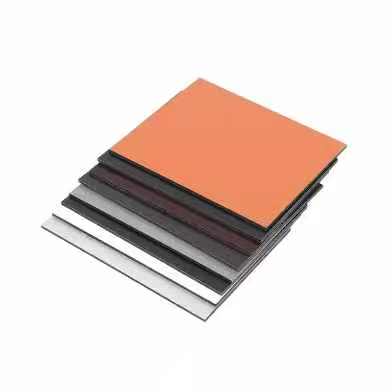
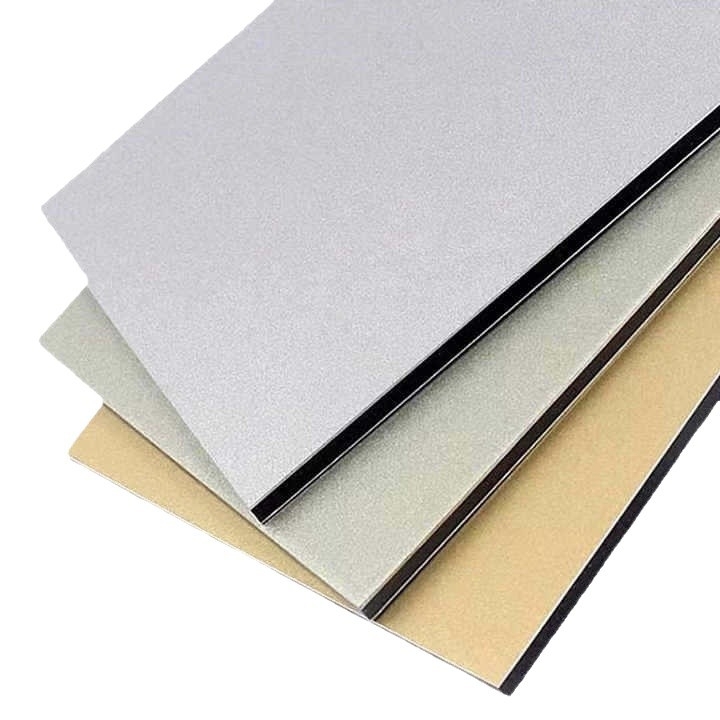
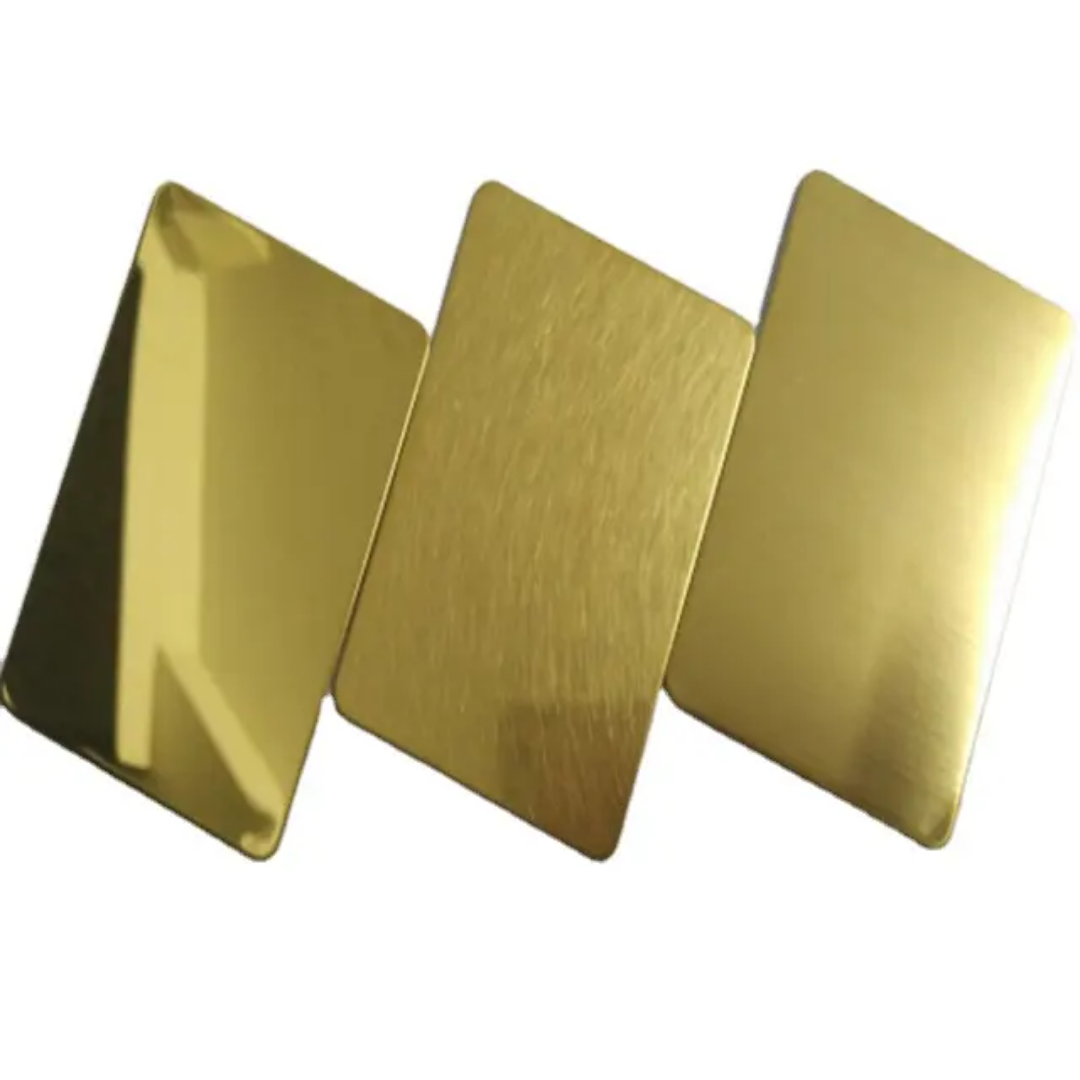
Infinite Visual Palette: Available in a virtually unlimited range of colors, metallic finishes, wood grains, stone textures, and custom digital prints, ACP empowers architects to realize any visual concept. High-quality PVDF (Kynar 500®) coatings ensure these finishes resist fading, chalking, and pollution for decades.
Clean, Integrated Aesthetics: The large, flat panels and versatile jointing systems (like rout and return or cassette) create minimalist, continuous facades with slim sightlines, fulfilling the modern preference for clean, uncluttered aesthetics.
2. Superior Functional Performance
Beyond beauty, modern architecture demands high performance, and ACP is a high-tech building material engineered to meet rigorous standards.
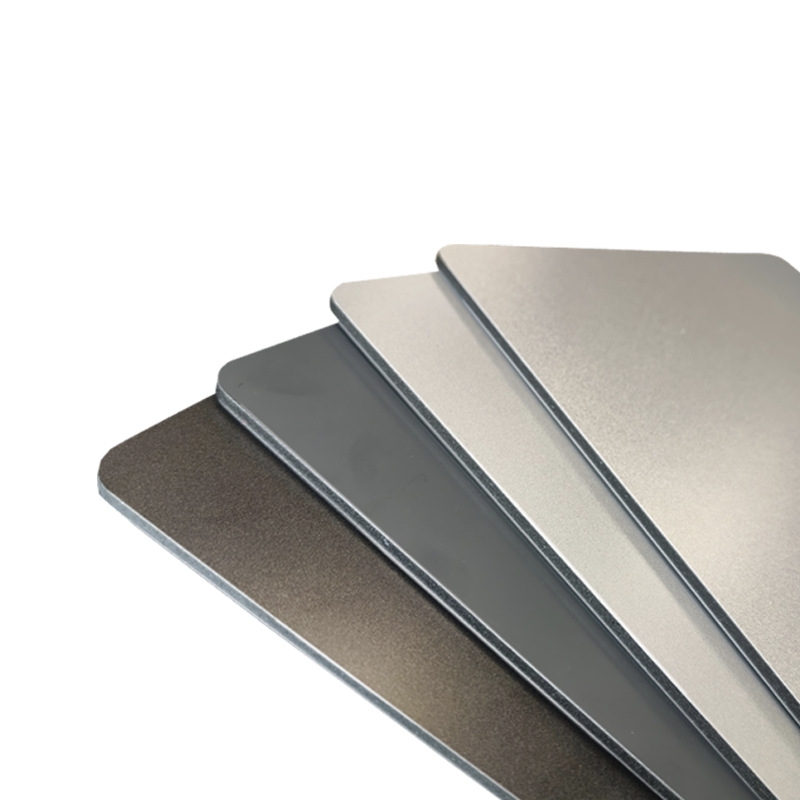
Lightweight Structural Efficiency: ACP’s sandwich panel structure—two thin aluminum sheets bonded to a core—provides an exceptional strength-to-weight ratio. This dramatically reduces load on the building’s primary structure, allowing for taller, more ambitious facades and lowering foundation and support costs.
Exceptional Durability and Weather Resistance: As a complete external wall cladding system, ACP panels form a robust shield. They are corrosion-resistant, impervious to rot, and highly resistant to the effects of UV radiation, extreme temperatures, and harsh weather when properly specified and installed.
Thermal and Acoustic Benefits: The core material in ACP can contribute to improved thermal insulation (reducing energy costs) and sound dampening, enhancing the building’s overall environmental performance and occupant comfort.
3. Economic and Construction Efficiency
In an industry driven by timelines and budgets, ACP offers significant practical advantages.
Cost-Effectiveness: Compared to solid aluminum, stone, or bespoke precast concrete, ACP provides a high-end architectural appearance at a lower material and installation cost. The savings extend to reduced structural support requirements.
Faster Construction and Installation: The panels are pre-finished in the factory, eliminating on-site painting. Their large format and lightweight nature allow for rapid installation using standardized systems, compressing project schedules and reducing labor costs.
Ease of Maintenance and Longevity: ACP facades require minimal upkeep. Their smooth, non-porous surface is easy to clean, and the durable finish maintains its appearance for years, leading to a lower total cost of ownership (TCO) over the building’s lifecycle.
4. Alignment with Modern Sustainability Goals
Contemporary architecture is increasingly governed by green building principles, and ACP systems contribute positively in several key areas.
Material Efficiency and Recyclability: Aluminum is highly recyclable, and many ACP manufacturers utilize recycled content. At the end-of-life, the components of quality ACP can be separated and recycled, supporting circular economy principles.
Energy Efficiency in Use: When integrated into a high-performance rainscreen cladding system, ACP facades can significantly improve a building’s thermal envelope. The ventilated cavity behind the panels aids in passive ventilation and moisture management, reducing heating and cooling loads and contributing to certifications like LEED, BREEAM, or Green Mark.
Reduced Environmental Footprint of Construction: The lightweight nature of ACP reduces transportation energy (carbon footprint), and the fast, dry-installation process generates less on-site waste compared to many traditional cladding methods.
5. Fire Safety and Compliance (When Specified Correctly)
A critical advancement in the ACP industry has been the development of enhanced fire-safe materials. It is imperative to specify:
Fire-Rated ACP Panels: Modern projects must utilize panels with mineral-filled cores (e.g., A2, B1 rated) that are **non-combustible or highly fire-retardant. These panels meet the stringent fire safety codes and regulations for high-rise and public buildings globally, ensuring occupant safety and regulatory compliance.
Conclusion: The Synthesized Solution for Contemporary Challenges
Aluminum Composite Panels are not merely a cladding material; they represent a highly engineered, integrated facade solution that synthesizes the core imperatives of modern architecture. They provide the design freedom architects crave, the technical performance engineers require, the cost and timeline efficiency developers need, and the sustainability credentials that the planet demands. By enabling innovative forms, enhancing building performance, and streamlining construction, ACP has firmly established itself as the ideal, holistic material for bringing the visions of modern architecture to life, safely and sustainably.